Blog

  • 30 Ways to Transform Your Garden on a Budget

    You don’t need a big budget to create the garden of your dreams. With smart strategies and creative thinking, you’ll turn your outdoor space into something beautiful. Let’s explore simple ways to refresh your garden using what you already have. Plus, you’ll discover tricks that save money while boosting your plants’ health. Ready to transform your yard without emptying your wallet? Here’s how to start making changes today.

    Start a Seed Swap With Fellow Gardeners

    seed exchange with gardeners

    Seed swaps offer a free way to expand your plant collection while connecting with local gardeners. You simply exchange seeds from your existing plants for varieties you’d like to try. Look for community seed swap events at libraries, garden centers, or neighborhood groups. You can also organize informal exchanges with friends and neighbors who garden. Save seeds from your healthiest plants throughout the growing season, label them clearly, and bring them to share.

    Transform Pallets Into Vertical Planters
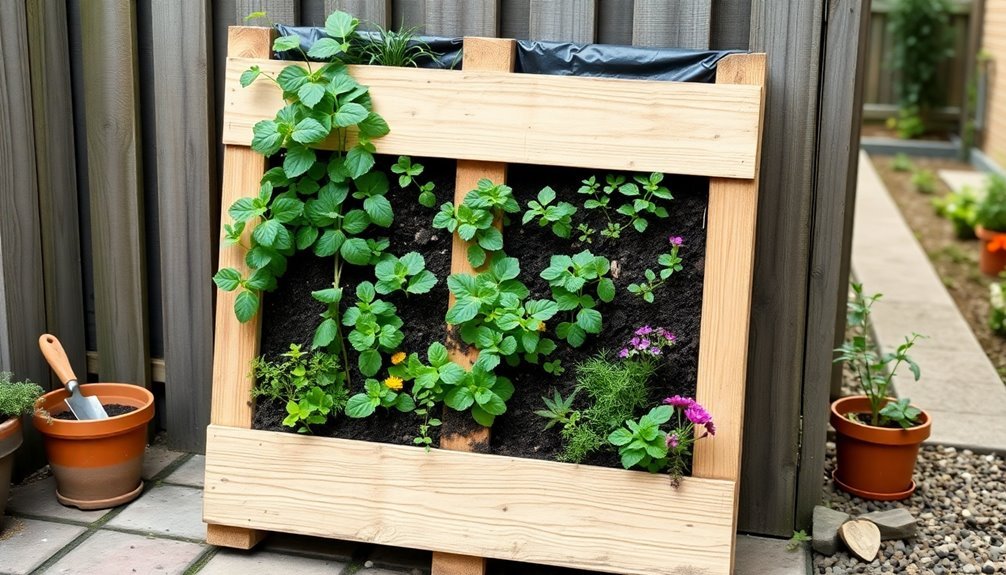
    vertical pallet garden planter

    Wooden pallets make excellent vertical planters and are often available for free from local businesses or online marketplaces. Sand the wood to remove splinters, then stand the pallet upright and secure landscape fabric to the back and sides. Fill the slats with potting soil and plant herbs, succulents, or small flowers in the gaps. Lean the pallet against a wall or fence for a space-saving garden feature that adds visual interest to bare walls or tight spaces.

    Use Coffee Grounds as Free Fertilizer
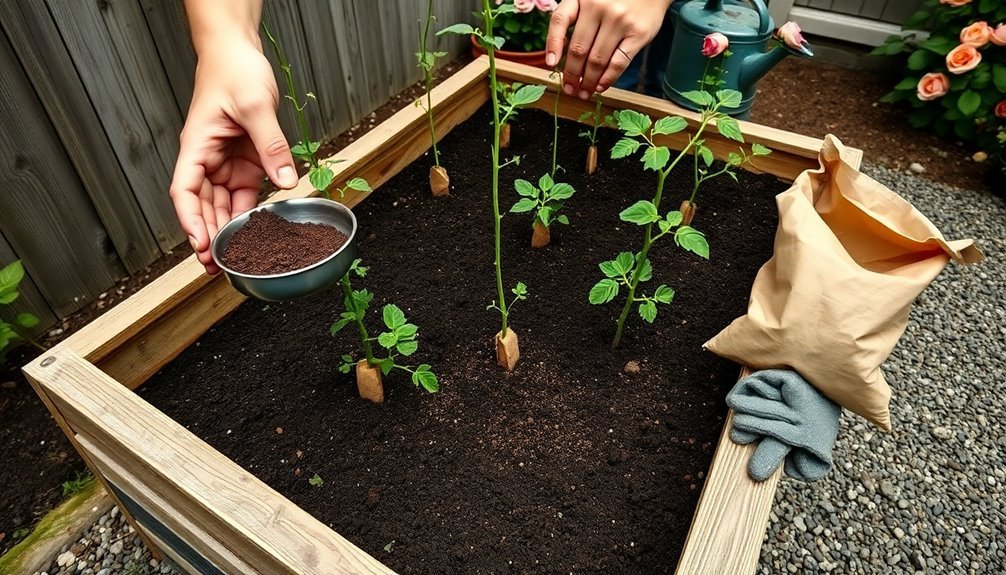
    coffee grounds as fertilizer

    Coffee grounds from your daily brew are a free nitrogen-rich fertilizer perfect for acid-loving plants like roses, azaleas, and tomatoes. Simply sprinkle used grounds directly onto the soil around your plants or add them to your compost pile. Many coffee shops offer their used grounds for free, so you can collect larger quantities. The grounds also help improve soil structure and drainage while deterring pests like slugs and snails from your garden beds.

    Create Pathways With Recycled Materials
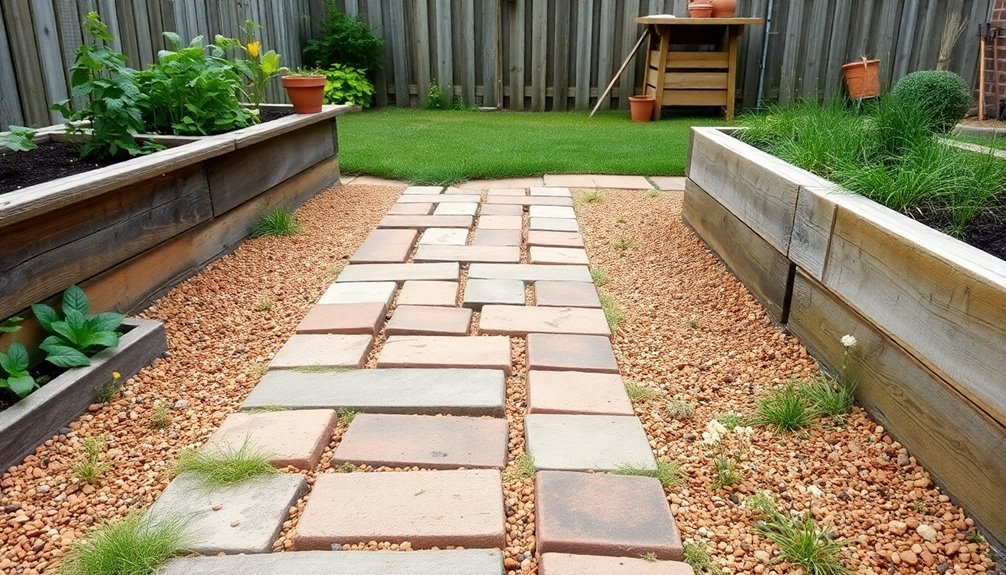
    recycled materials for pathways

    Transform old bricks, broken pavers, gravel, or wood pallets into charming garden pathways at little to no cost. Check construction sites, online marketplaces, or your neighborhood for discarded materials. Arrange stepping stones through garden beds or create a rustic pallet walkway by securing boards together. Crushed terracotta pots mixed with sand make excellent pathway filler. These recycled materials add character to your garden while preventing muddy paths and protecting plant roots from foot traffic.

    Propagate Plants From Cuttings
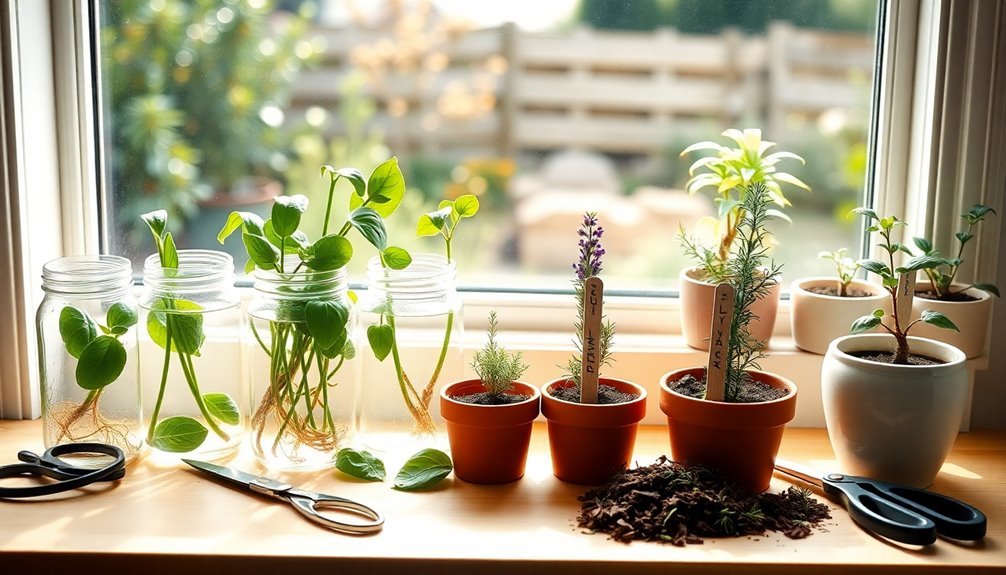
    propagating plants from cuttings

    Growing your plant collection costs nothing when you learn to propagate from cuttings. Snip healthy stems from herbs, succulents, or houseplants, remove lower leaves, and place them in water or soil. Most cuttings develop roots within two to four weeks. Share cuttings with neighbors to exchange plant varieties and expand your garden diversity. This method works particularly well with pothos, basil, lavender, and rosemary. You’ll create dozens of new plants from existing ones while developing valuable gardening skills.

    Build a DIY Compost Bin
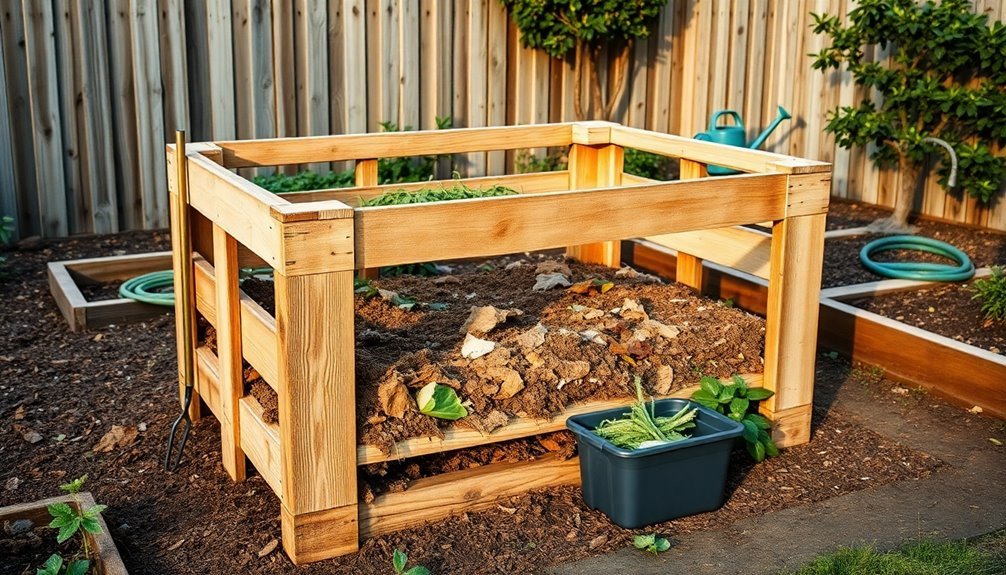
    diy compost bin instructions

    Creating your own compost bin transforms kitchen scraps and yard waste into nutrient-rich soil for free. Use wooden pallets, wire mesh, or plastic storage bins with drainage holes to build a simple container. Layer green materials like vegetable peels with brown materials such as dried leaves and cardboard. Turn the pile weekly and keep it moist. Within three to six months, you’ll have dark, crumbly compost that enriches your garden soil and reduces household waste.

    Repurpose Old Containers as Planters
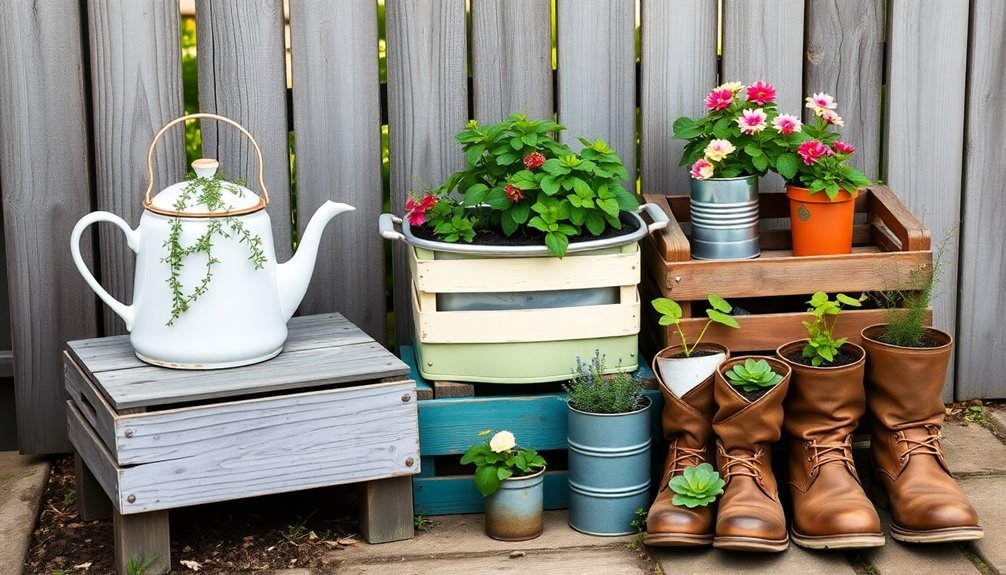
    repurpose containers for gardening

    Before buying new pots, look around your home for containers that can serve as planters. Old teapots, colanders, wooden crates, tin cans, and even worn-out boots make charming homes for plants. Drill drainage holes in the bottom if needed, add potting soil, and plant herbs, flowers, or succulents. This approach saves money while adding personality to your garden. Clean containers thoroughly before use and consider painting them to match your outdoor space.

    Paint Existing Fences and Walls
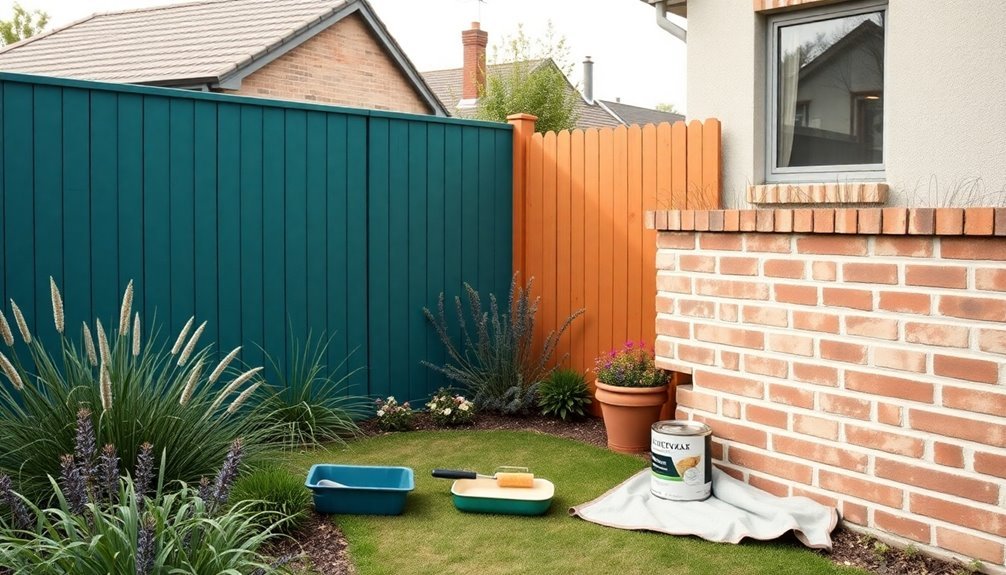
    refresh outdoor space easily

    A fresh coat of paint can dramatically refresh your garden’s appearance without breaking the bank. Choose weather-resistant exterior paint in colors that complement your plants and home. Light shades can brighten dark corners, while bold colors create striking focal points. Clean surfaces thoroughly, remove loose paint, and apply primer if needed. Even painting just one feature wall or section of fencing can make a noticeable difference. This simple weekend project instantly updates your outdoor space.

    Shop End-of-Season Sales for Plants
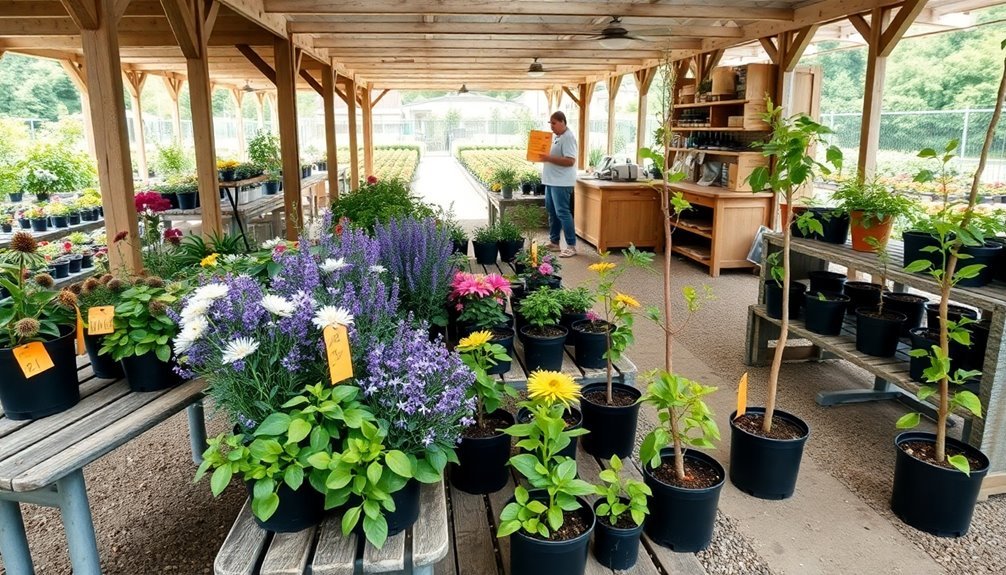
    end of season plant discounts

    Nurseries and garden centers typically offer significant discounts on plants at the end of spring and summer. While the selection may be limited, you’ll find healthy perennials, shrubs, and even trees at a fraction of their original cost. These plants often just need some deadheading, watering, and care to thrive. Visit regularly to catch the best deals, and don’t hesitate to ask staff when markdowns occur. With patience, you can fill your garden beautifully while staying within budget.

    Make Your Own Mulch From Grass Clippings
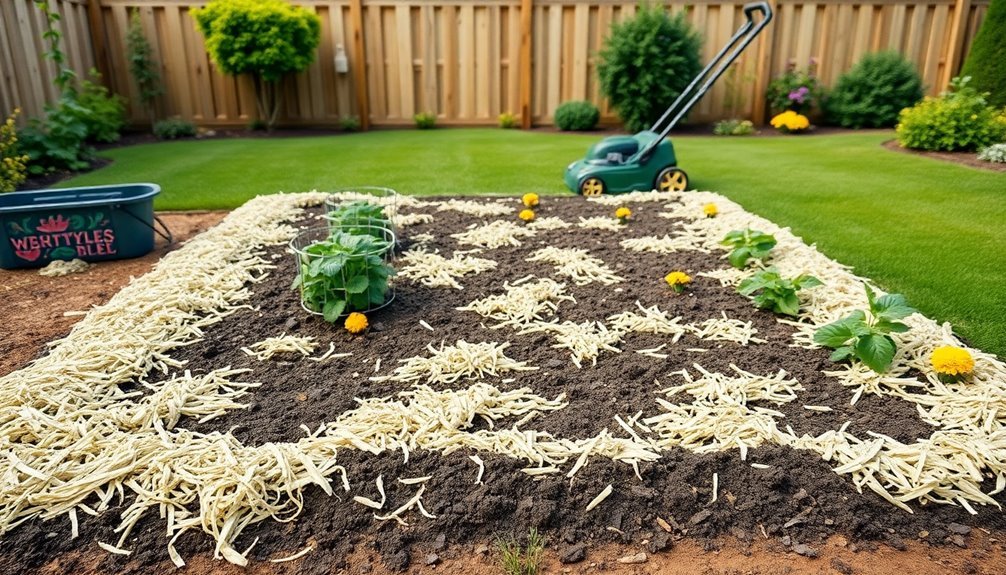
    free nourishing garden mulch

    Grass clippings make excellent free mulch that enriches your soil as it breaks down. After mowing, spread a thin layer of clippings around plants and garden beds, keeping them away from stems to prevent rot. Let the clippings dry slightly before applying to avoid matting and odor issues. This approach suppresses weeds, retains moisture, and adds nitrogen to your soil, all while reducing yard waste and saving money on bagged mulch.

    Create Garden Edging With Reclaimed Bricks
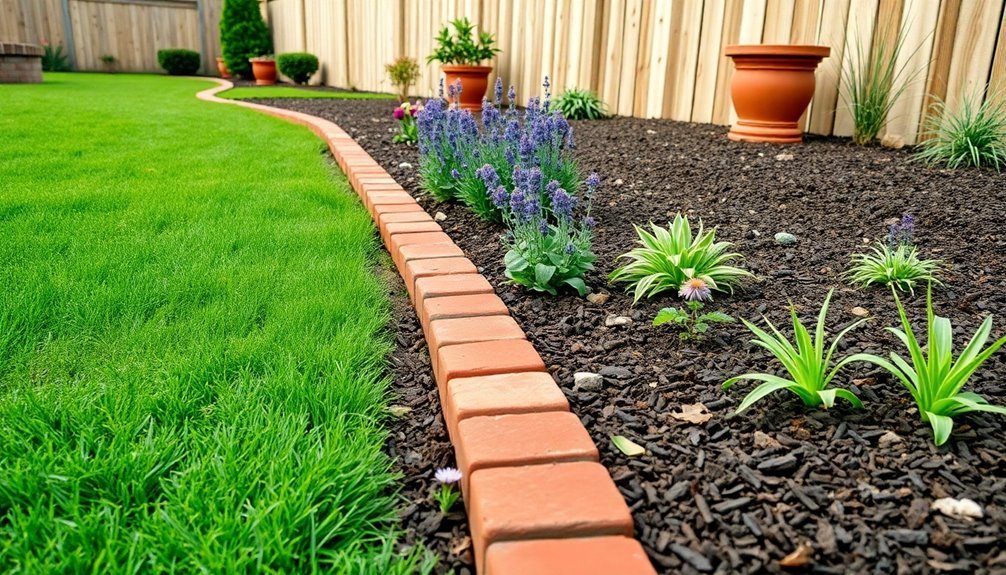
    reclaimed bricks for edging

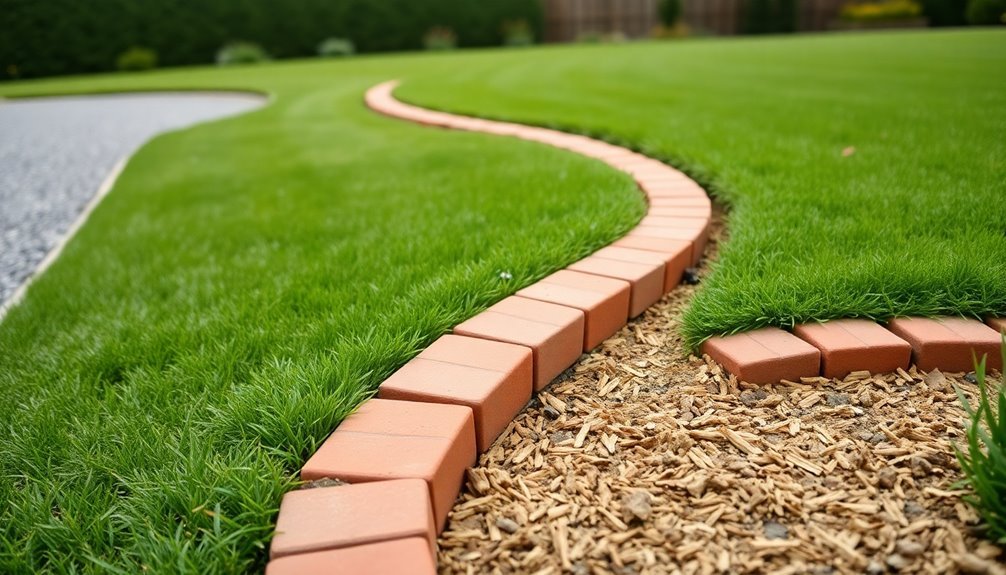
    Reclaimed bricks offer an attractive, low-cost way to define garden borders and pathways. Look for free or inexpensive bricks from demolition sites, online marketplaces, or your own home renovation projects. Arrange them flat or at an angle in a shallow trench for a clean edge that separates lawn from beds. The weathered appearance adds character to your garden while providing durable borders that help contain mulch and prevent grass from creeping into planting areas.

    Install Solar Lights for Ambiance
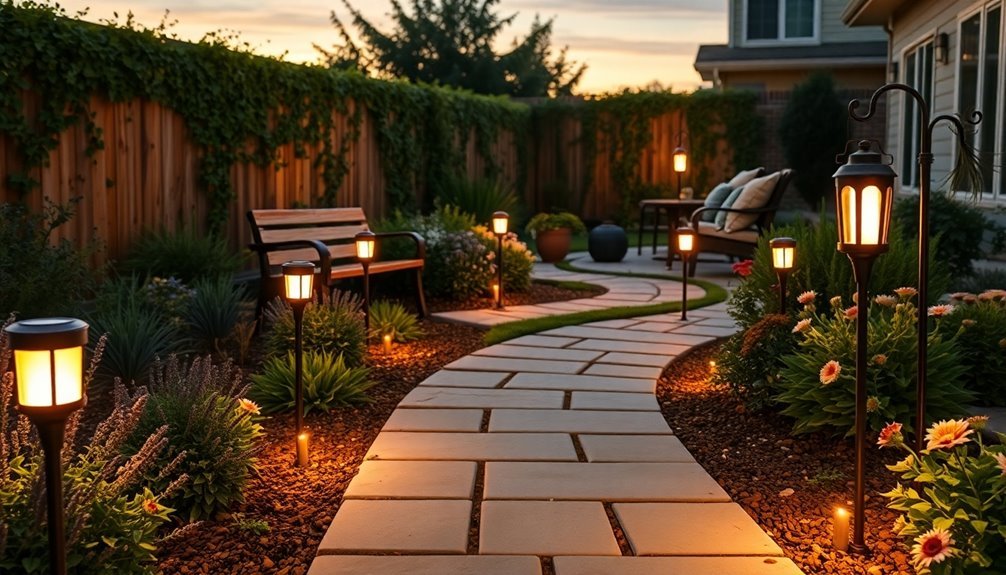
    affordable solar garden lighting

    Solar lights provide an affordable way to illuminate your garden without increasing electricity costs. Place them along pathways, around seating areas, or among flower beds to create a warm, inviting atmosphere after dark. Modern solar lights come in various styles, from subtle stakes to decorative lanterns, and require no wiring or installation expertise. They charge during the day and automatically light up at dusk, offering a practical solution that enhances safety while adding gentle nighttime ambiance to your outdoor space.

    Use Mirrors to Create the Illusion of Space
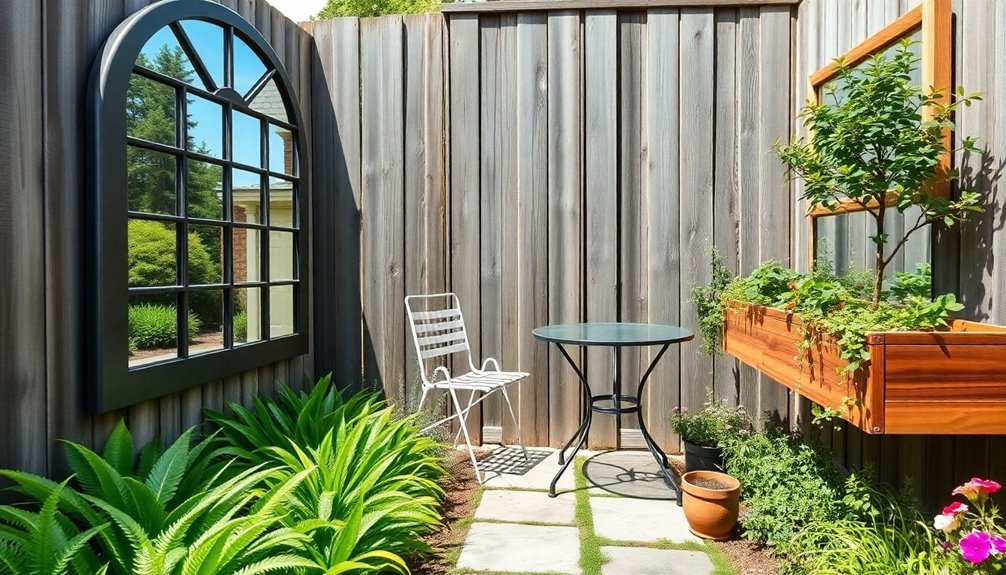
    enhance garden space visually

    Strategically placed mirrors can make a small garden feel considerably larger by reflecting light and greenery. Use weather-resistant mirrors designed for outdoor use and position them on fences, walls, or among plants to create depth and visual interest. Angling mirrors to reflect attractive garden features or sky doubles the impact of your existing landscaping. Choose frames that complement your garden style, and make certain mirrors are securely mounted to withstand wind and weather while maintaining their reflective qualities.

    Grow Plants From Kitchen Scraps
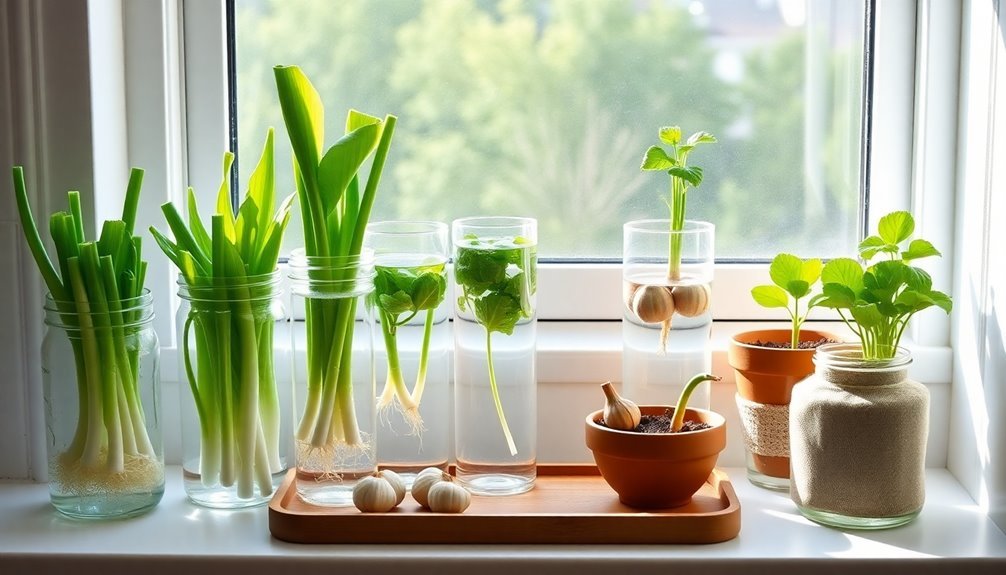
    regrow vegetables from scraps

    Many vegetables regrow easily from kitchen scraps, saving money while reducing waste. Green onions, celery, romaine lettuce, and bok choy will sprout new growth when their bases are placed in shallow water. Once roots develop, transfer them to soil. Garlic cloves, ginger root, and potato eyes can be planted directly into garden beds or containers. Herbs like basil and cilantro root quickly in water from stem cuttings. This simple approach provides fresh produce while teaching valuable gardening skills at virtually no cost.

    Build Raised Beds From Cinder Blocks
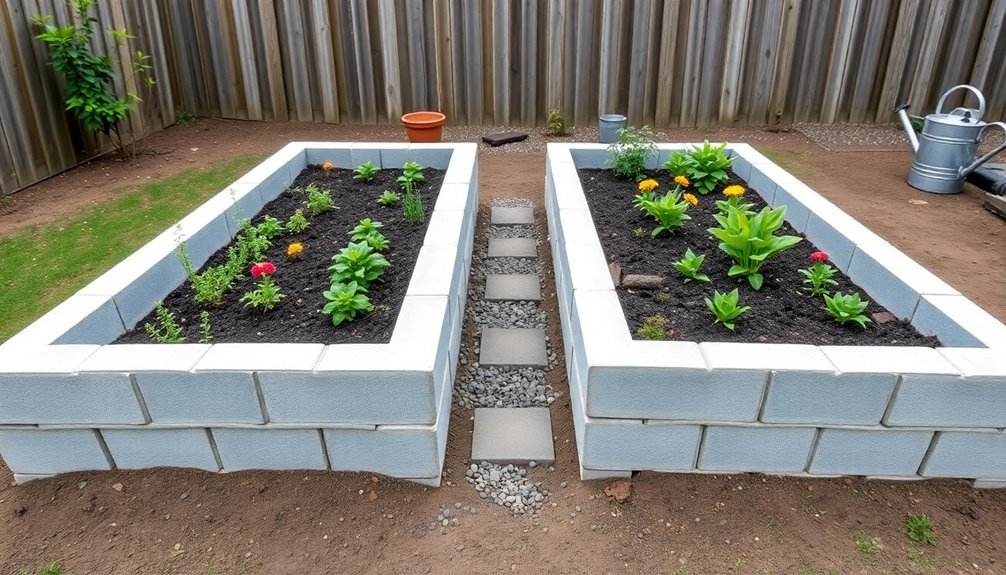
    affordable cinder block beds

    Cinder blocks offer an affordable and flexible solution for creating raised garden beds. Stack them in rectangular configurations without mortar, allowing you to adjust the layout as needed. The hollow cores provide extra planting space for herbs or flowers, while also improving drainage. Their durability withstands weather and their neutral color complements most garden styles. This no-tools-required method lets you build productive growing spaces in an afternoon, and the blocks can be rearranged or reused for future projects.

    Create a Focal Point With Repurposed Items
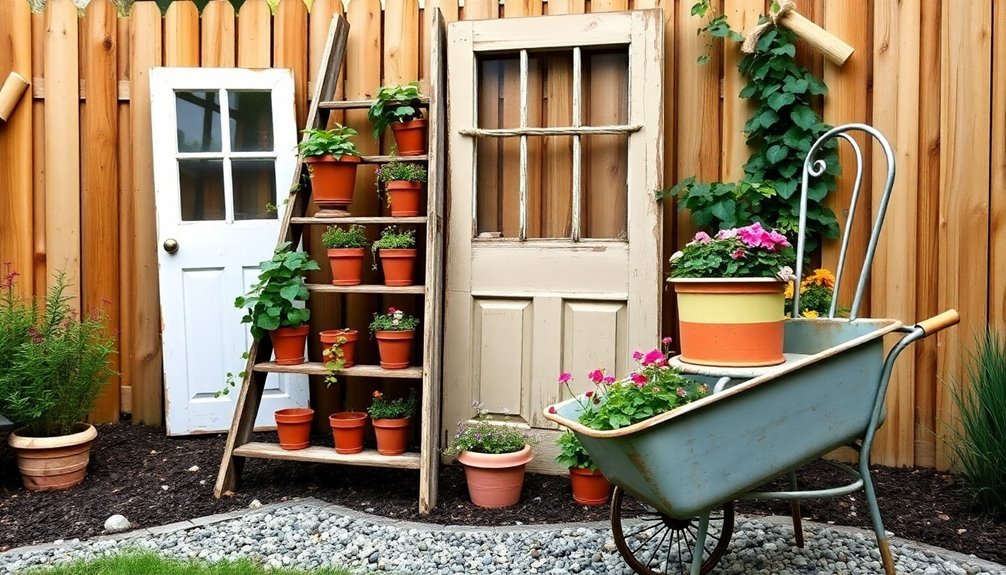
    repurposed garden decor ideas

    Everyday items can become striking garden features with a bit of creativity. An old ladder serves as vertical plant display, vintage chairs hold colorful containers, and weathered doors create unique trellises. Salvaged windows frame garden views, while retired wheelbarrows overflow with seasonal blooms. These repurposed pieces add character and tell a story while costing little or nothing. Look around your home, visit thrift stores, or check online marketplaces for items that can anchor your garden design with personality.

    Divide and Multiply Perennials
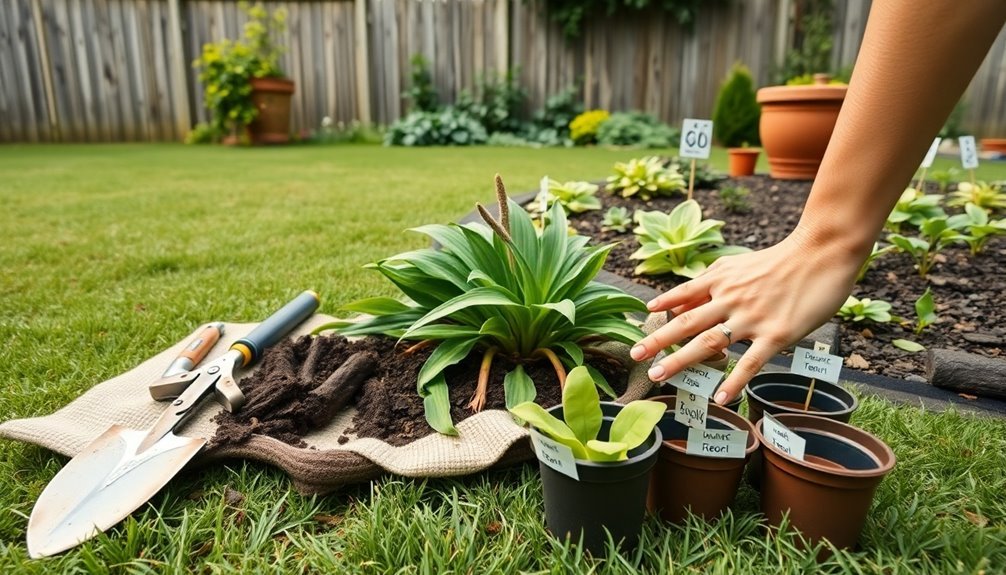
    divide and replant perennials

    Most perennials can be divided every few years to create multiple plants from one. Spring and fall are ideal times to dig up established clumps, split them into sections with roots attached, and replant them throughout your garden. Hostas, daylilies, ornamental grasses, and sedums multiply easily this way. This simple technique fills bare spots, expands your garden beds, and gives you plants to share with neighbors. One initial purchase can become dozens of plants over time, making it one of the most budget-friendly gardening strategies available.

    Make Stepping Stones With Concrete Mix
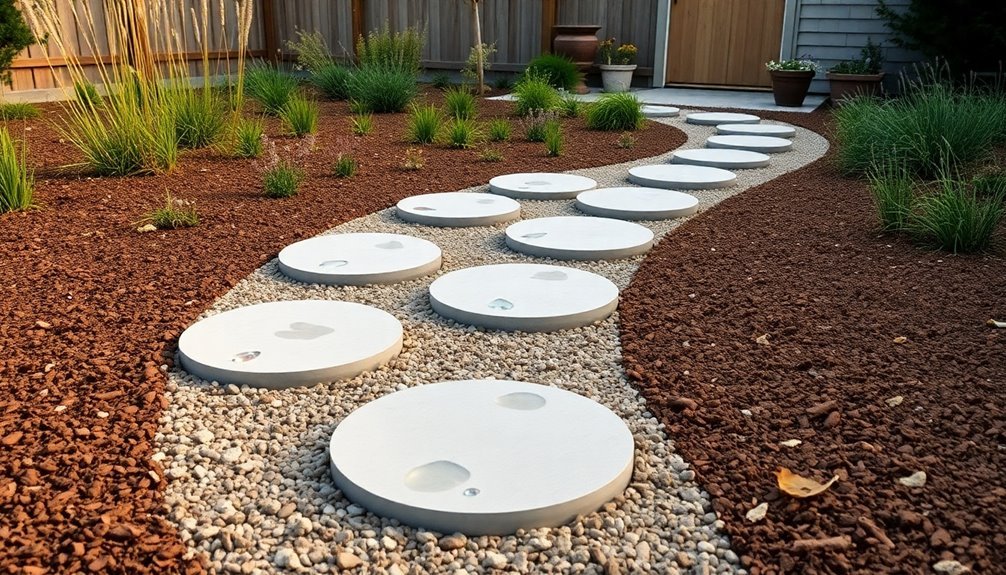
    custom concrete stepping stones

    Creating custom stepping stones costs a fraction of store-bought versions. Mix concrete according to package directions and pour into shallow molds like cake pans or picture frames set on plastic sheeting. Before the concrete fully sets, press in decorative elements like stones, glass pieces, or leaves to personalize your design. After curing for several days, you’ll have durable garden paths that add character to your outdoor space without the hefty price tag.

    Paint Terra Cotta Pots for Color
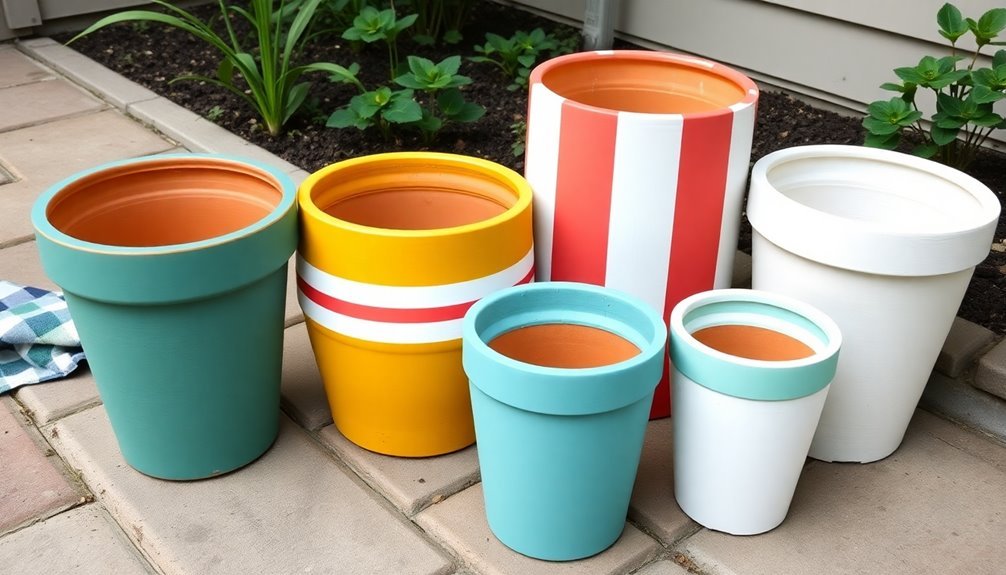
    vibrant painted terra cotta

    Plain terra cotta pots become vibrant garden features with a simple coat of paint. Clean your pots thoroughly and apply a primer designed for porous surfaces. Once dry, use outdoor acrylic or spray paint in your chosen colors. Consider creating patterns with painter’s tape or adding simple designs with stencils. Seal with a waterproof coating to protect against moisture and sun exposure. This quick weekend project breathes new life into old pots while adding personality to your garden beds and patios.

    Use Cardboard for Weed Suppression
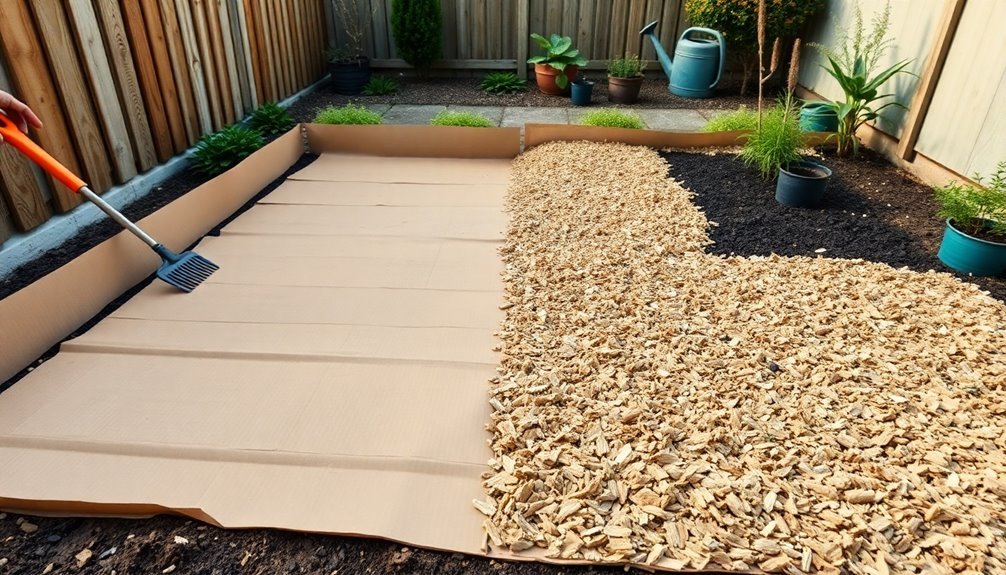
    cardboard blocks weeds naturally

    Cardboard serves as an effective and free weed barrier for garden beds. Lay flattened boxes directly on soil, overlapping edges by several inches to prevent gaps. Wet the cardboard thoroughly to help it conform to the ground and begin decomposition. Cover with mulch or compost to hide the material and hold it in place. The cardboard blocks sunlight from weeds while breaking down over time to enrich your soil naturally.

    Create Trellises From Branches and Twigs
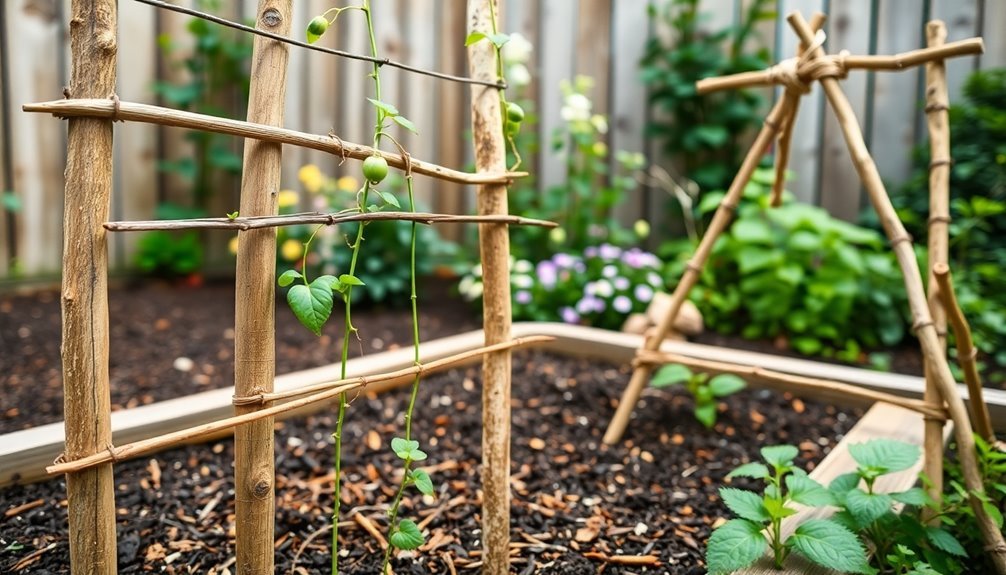
    natural trellises for climbing

    Straight branches and flexible twigs from your yard make excellent free trellises for climbing plants. Gather sturdy branches and push them firmly into the soil, then weave thinner twigs horizontally between them to create a support structure. This works well for peas, beans, and flowering vines. The natural materials blend beautifully into garden spaces and will last through the growing season. You can also lean branches together in a teepee shape for a simple vertical growing option.

    Collect Rainwater in DIY Barrels
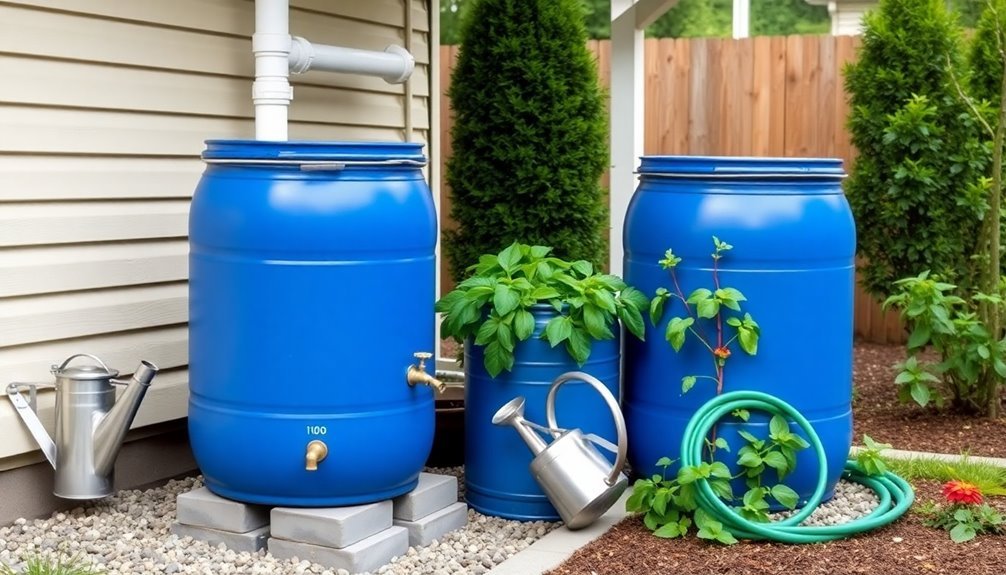
    diy rainwater collection system

    Installing rain barrels is one of the smartest ways to save money on your water bill while helping your garden thrive. Place large containers or repurposed food-grade barrels beneath your downspouts to catch runoff from your roof. A simple screen on top keeps debris and mosquitoes out. You can connect a spigot near the bottom for easy access when watering plants. This free water source is especially valuable during dry summer months when gardens need the most moisture.

    Add Gravel for Low-Maintenance Ground Cover
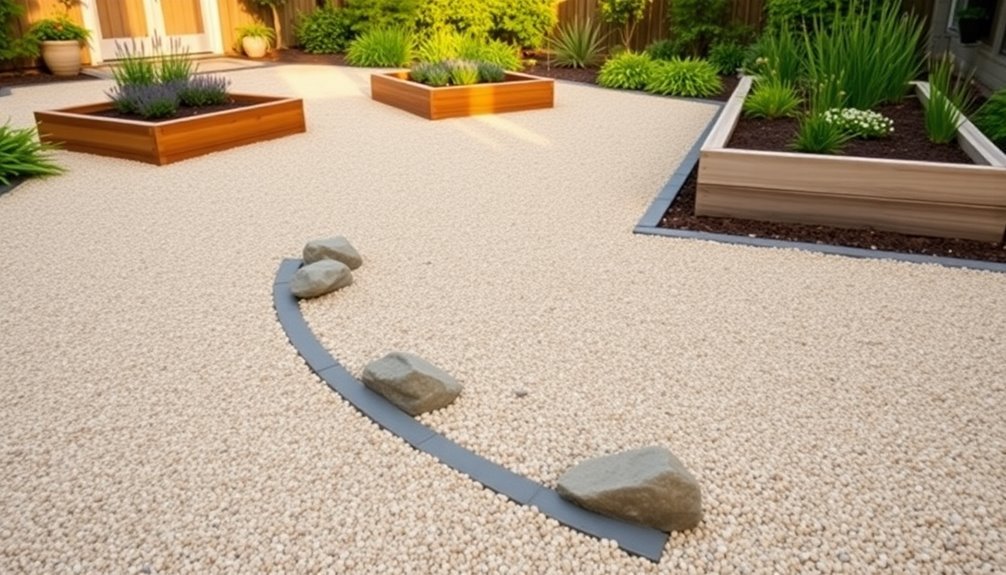
    gravel for low maintenance landscaping

    Gravel offers an affordable alternative to grass or mulch in areas where you want to reduce maintenance. Spread a layer of small stones along pathways, around garden beds, or in spots where grass struggles to grow. It suppresses weeds, improves drainage, and never needs mowing or replacing. Choose pea gravel for a softer look or larger river rocks for texture. A weed barrier fabric underneath helps prevent unwanted growth and keeps the gravel looking tidy for years.

    Make Plant Markers From Recycled Materials
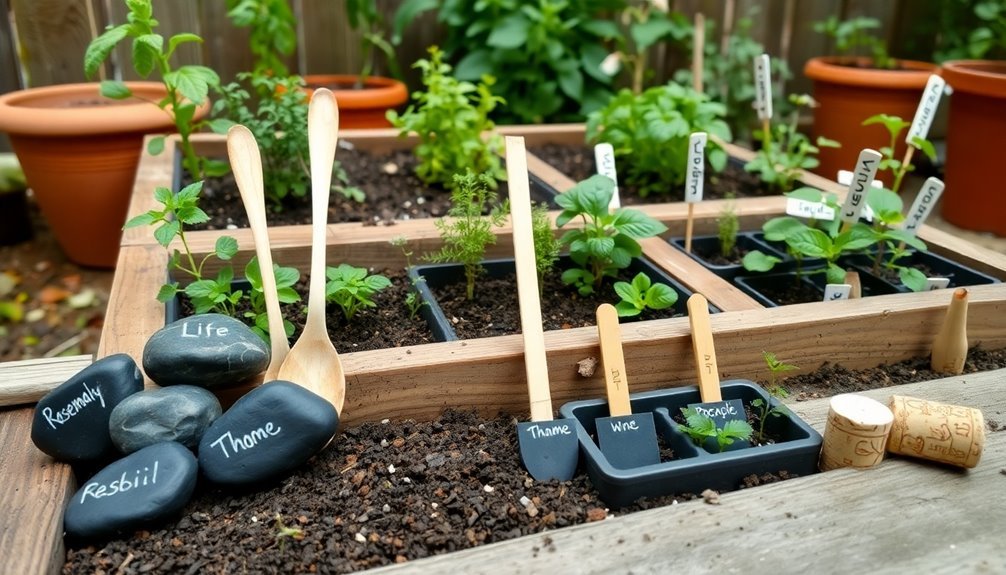
    recycled plant marker ideas

    Plant markers don’t need to be expensive store-bought items. Create charming labels using smooth stones painted with chalkboard paint, old wooden spoons with plant names written in permanent marker, or wine corks attached to skewers. Recycled popsicle sticks work perfectly for seedlings, while broken terracotta pot pieces can be written on and pressed into soil. These homemade markers add personality to your garden while keeping track of what’s growing where, all without spending money on new supplies.

    Rearrange Existing Plants for Better Impact
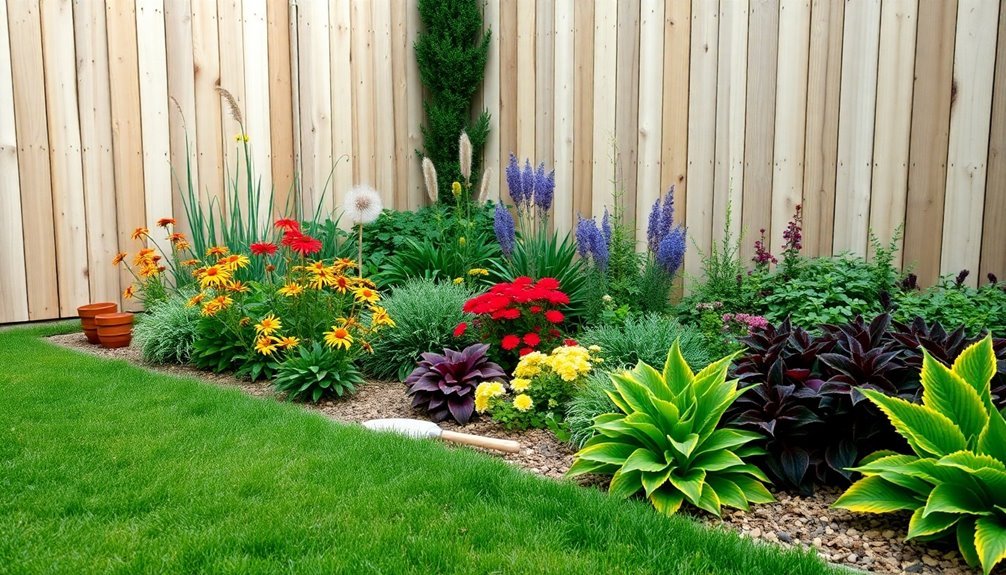
    rearrange plants for impact

    Sometimes the best garden makeover comes from simply moving what you already have. Step back and assess your space with fresh eyes. Relocate sun-loving plants to brighter spots and shade-preferring ones to cooler areas. Group plants with similar colors or textures together for visual appeal. Move smaller plants to the front of borders and taller ones to the back. This zero-cost strategy can dramatically improve your garden’s appearance while ensuring each plant thrives in its ideal location.

    Create a Seating Area With Cinder Blocks
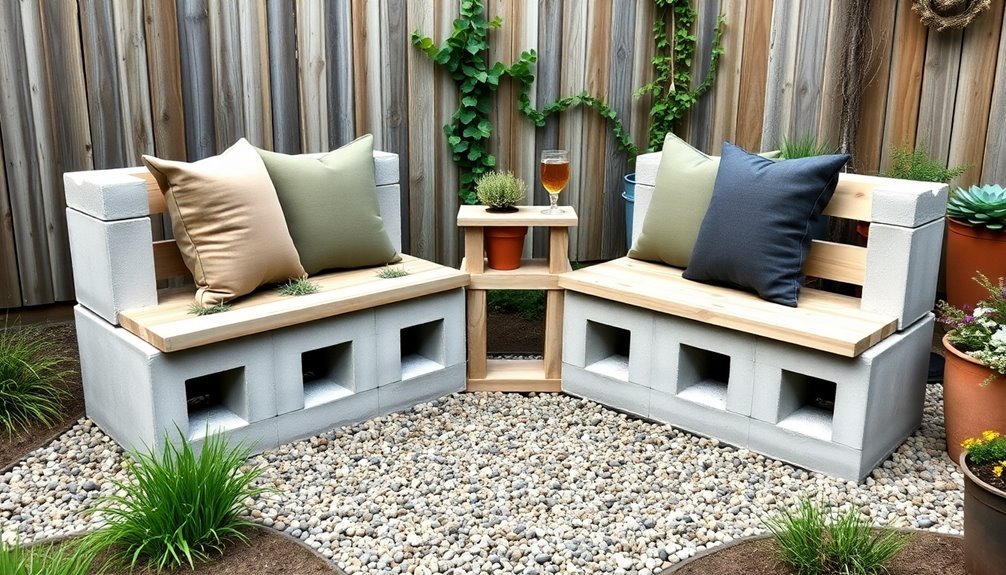
    cinder block garden seating

    Cinder blocks offer an affordable way to build functional garden seating. Stack them to create benches or low walls, then add weatherproof cushions or outdoor pillows for comfort. You can leave the blocks as is for an industrial look, or paint them to match your garden style. The hollow centers work perfectly as planters for herbs or succulents, adding greenery while maximizing your seating area’s appeal.

    Use Newspaper as Biodegradable Weed Barrier
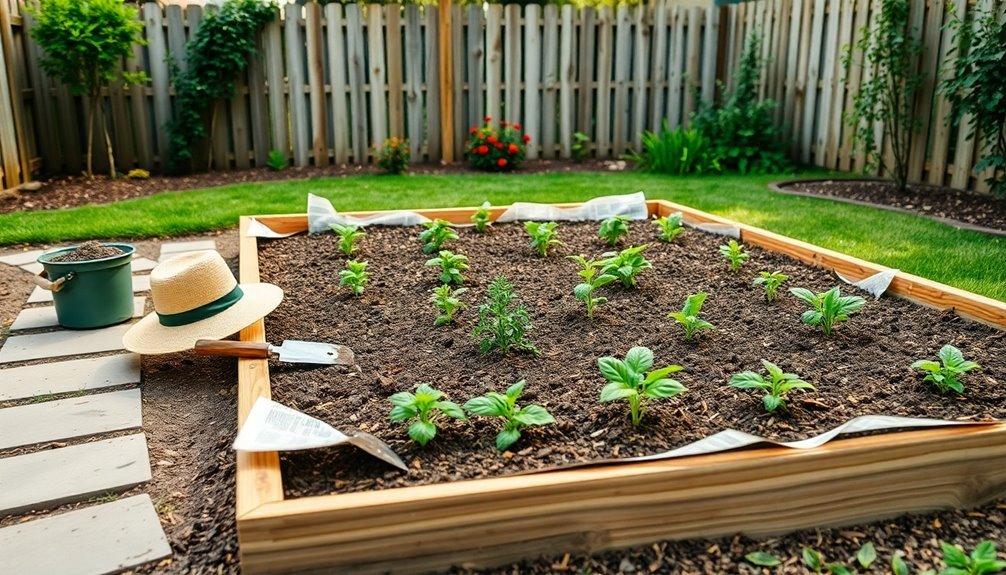
    newspaper as weed barrier

    Newspaper serves as an excellent budget-friendly weed barrier for your garden beds. Lay down several sheets of newspaper around your plants, overlapping the edges to prevent gaps. The paper blocks sunlight from reaching weed seeds while still allowing water to penetrate the soil. As the newspaper breaks down naturally over time, it adds organic matter to your soil. Cover it with mulch or compost for a neater appearance and to help it stay in place.

    Build a Bug Hotel From Natural Materials
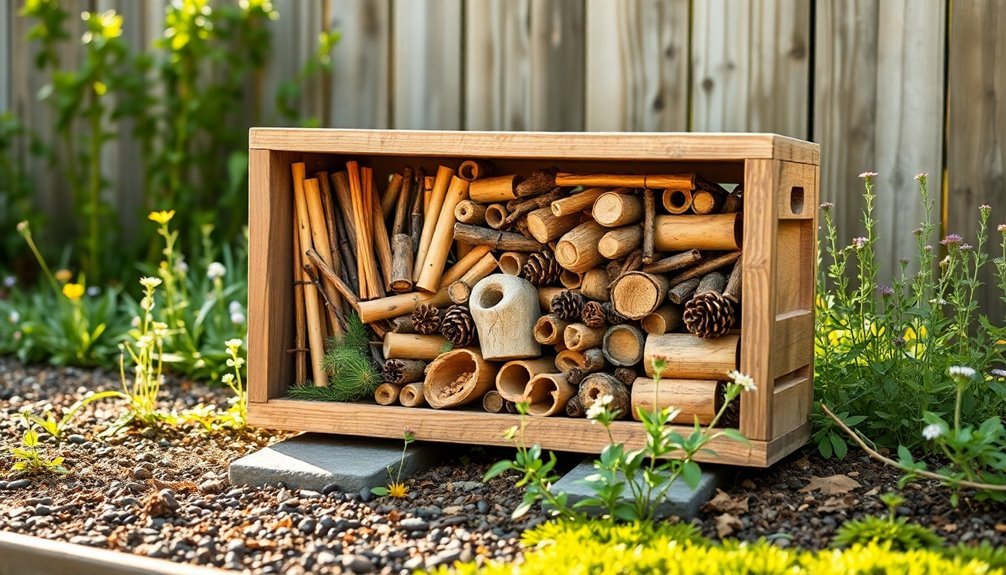
    create shelter for insects

    Creating a bug hotel provides beneficial insects with shelter while adding character to your garden at no cost. Gather hollow stems, twigs, pine cones, bark, and small logs with holes. Bundle these materials together or stack them in a wooden crate or box frame. Place your bug hotel in a quiet corner of the garden, ideally facing southeast for morning sun. These structures attract pollinators, pest controllers, and other helpful garden visitors throughout the year.

    Refresh Garden Beds With Strategic Pruning
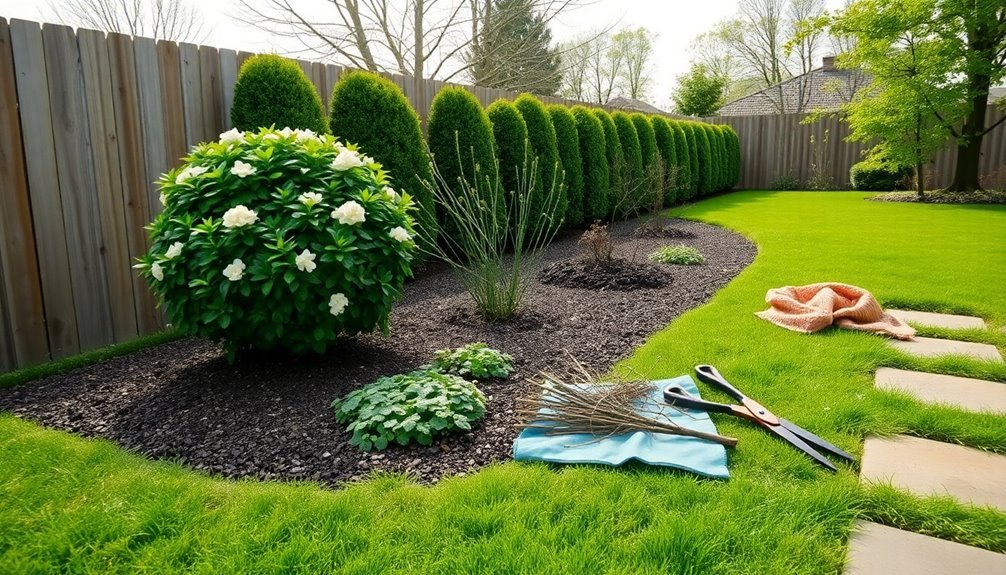
    revitalize garden beds pruning

    Strategic pruning breathes new life into tired garden beds without spending anything. Remove dead, diseased, or crossing branches first, then shape overgrown shrubs to restore their natural form. Cut back leggy perennials to encourage bushier growth and trim hedges to define borders. Early spring is ideal for most pruning tasks, though timing varies by plant type. Well-pruned plants look neater, grow healthier, and allow more light to reach surrounding areas, transforming your garden’s appearance instantly.

    Add Climbing Plants for Vertical Interest
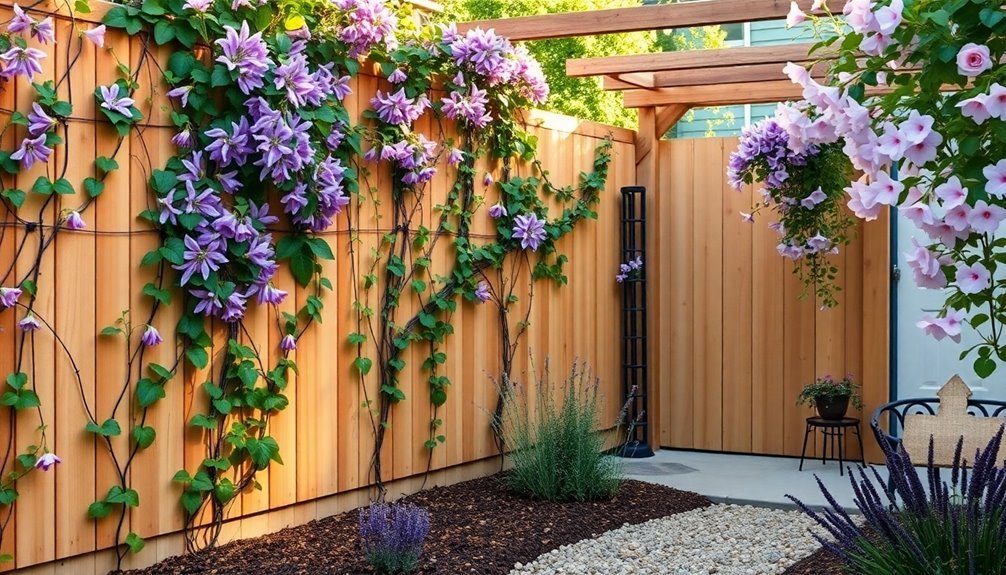
    vertical gardens with climbers

    Climbing plants add height and dimension to gardens while taking up minimal ground space. Train clematis, honeysuckle, or climbing roses up existing structures like fences, walls, or pergolas to create vertical focal points. Many climbers cost less than shrubs and fill spaces quickly. They soften hard surfaces, provide privacy, and attract pollinators. Choose varieties suited to your light conditions and climate. With basic support like wire or trellis, climbers transform bland vertical surfaces into lush, living features that draw the eye upward.

    Conclusion

    You’ve got everything you need to create an amazing garden without spending much. Start with one or two projects that excite you most. Plus, you’ll feel great knowing you’re helping the environment while saving money. Let’s get outside and put these ideas to work. Your dream garden is closer than you think, and it won’t cost a fortune. You can do this!
  • 30 Genius Garden Edging Ideas You Can Easily Copy

    You can transform your garden’s look with simple edging that adds structure and style. These 30 ideas work for any budget and skill level, from classic brick borders to modern steel lines. Plus, you’ll find options using materials you might already have at home. Let’s explore creative ways to define your garden beds and pathways—whether you prefer rustic charm, natural appeal, or sleek contemporary design. Each technique brings its own character and solves common landscaping challenges you’re probably facing right now.

    Classic Brick Border Laid in Diagonal Pattern

    diagonal brick garden edging

    A diagonal brick pattern brings timeless elegance to garden borders while creating visual interest through its angled placement. This traditional edging technique involves setting bricks at a 45-degree angle, either standing upright or laid flat, to form a neat barrier between lawn and planting beds. The diagonal orientation adds dimension and guides the eye along pathways. This durable option works well with both formal and cottage-style gardens, requiring minimal maintenance once properly installed.

    River Rock and Stone Edging for Natural Appeal

    natural stone garden edging

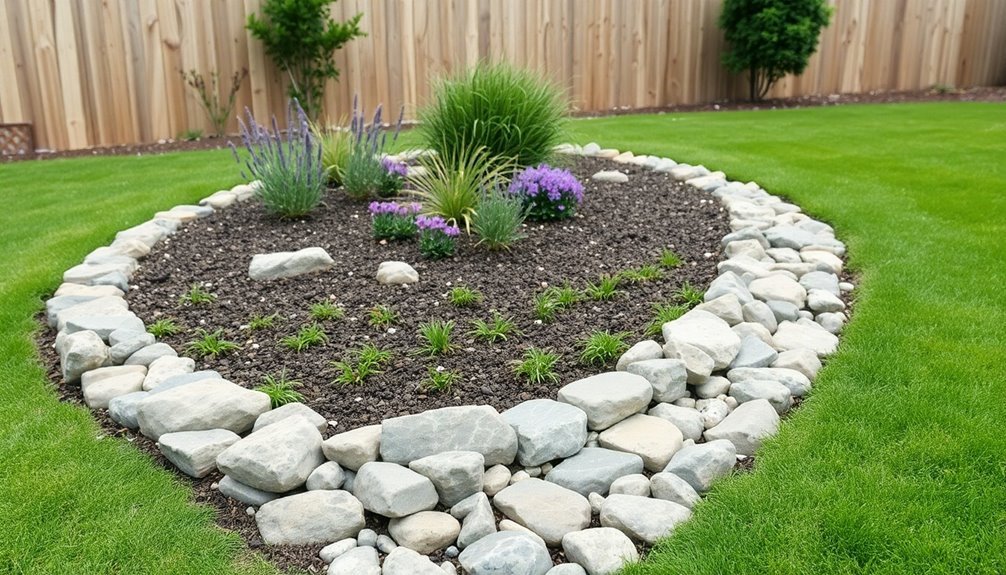
    River rocks and natural stones create an organic, free-flowing border that complements any garden style. These smooth, water-worn stones can be arranged in single layers or stacked to form low walls, adapting easily to curved beds and irregular shapes. Available in various sizes and colors, river rock edging provides excellent drainage while preventing soil erosion. This low-maintenance option blends seamlessly with landscape features and offers a relaxed, naturalistic appearance that softens hardscape elements.

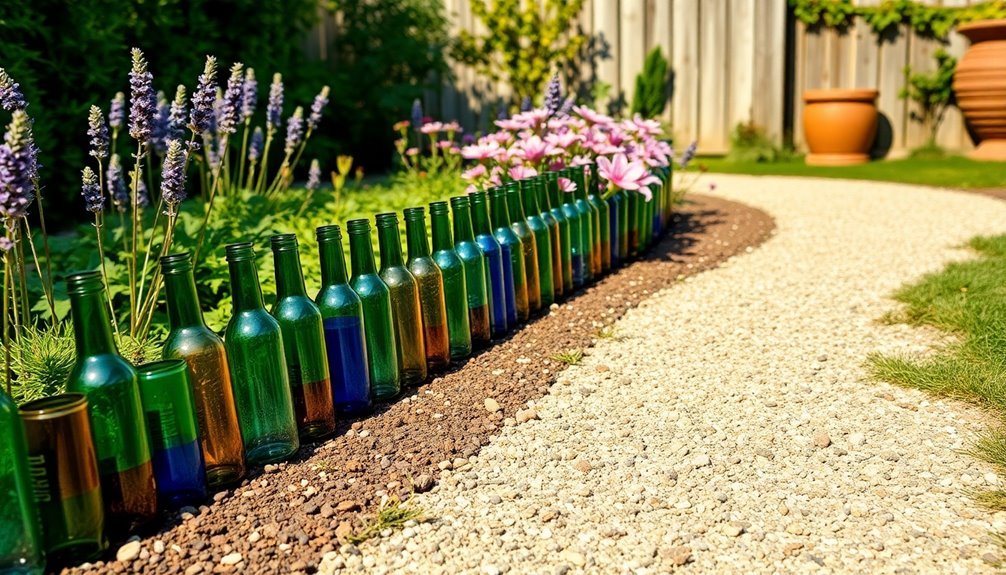
    Repurposed Wine Bottles Buried Upside Down

    colorful garden bottle edging

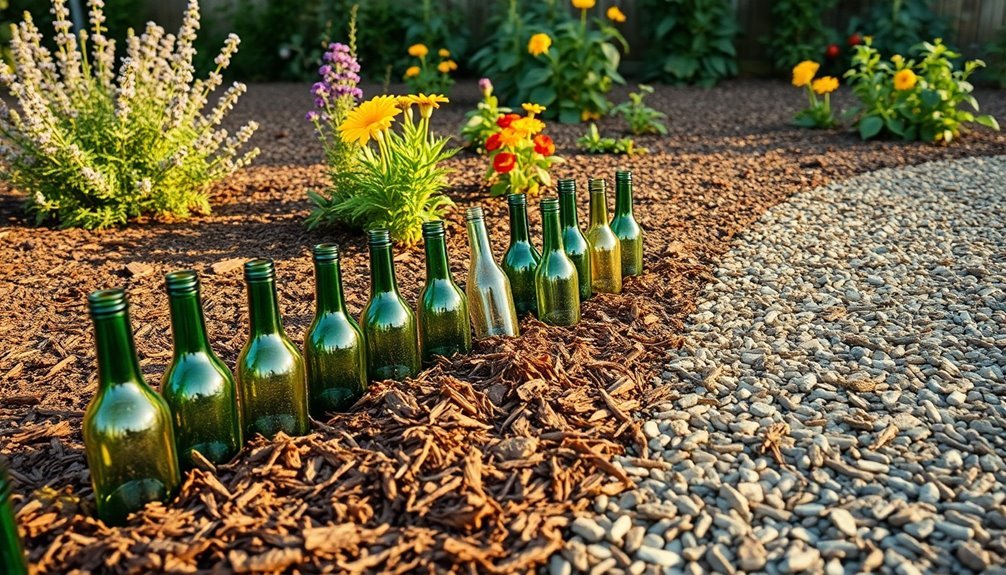
    Wine bottles make a creative and colorful garden border when buried neck-down at an angle. This eco-friendly edging option gives new life to discarded glass while adding a distinctive decorative element to your beds. The bottles can be arranged in various patterns and color schemes, creating a whimsical or artistic boundary. They work particularly well in cottage gardens, vegetable patches, or eclectic landscapes where personality and sustainability matter. This budget-friendly solution requires careful installation to guarantee stability and safety.

    Steel or Metal Landscape Edging for Modern Lines

    durable contemporary landscape edging

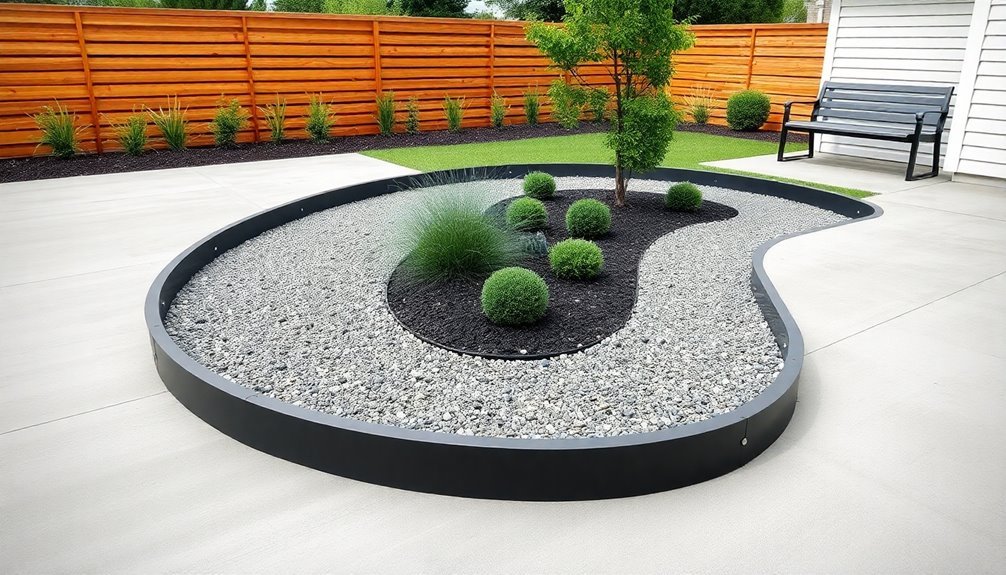
    Steel or metal landscape edging provides clean, contemporary lines that define garden beds with precision. This durable material resists weathering, rust, and shifting, maintaining its shape for years with minimal maintenance. Available in various thicknesses and heights, metal edging can be bent to accommodate curves or kept straight for geometric designs. It works especially well in modern gardens where crisp boundaries complement minimalist plantings. While the initial investment is higher than some alternatives, the longevity and professional appearance make it worthwhile for homeowners seeking a polished, long-lasting solution.

    Wooden Log Rounds for Rustic Charm

    natural rustic garden borders

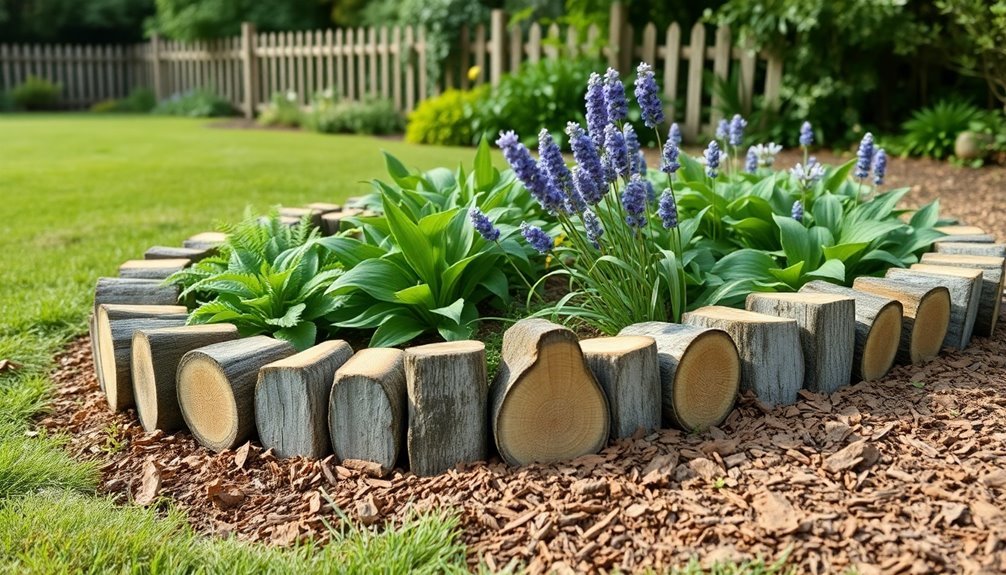
    Wooden log rounds bring natural warmth and cottage-style appeal to garden borders. These cross-sections of timber can be placed upright in the soil to create uneven, organic edges that complement informal planting schemes. They work particularly well in woodland gardens or rustic landscapes where a casual, lived-in look is desired. The wood will weather and age over time, developing a silvery patina. While not as permanent as stone or metal, log rounds offer an affordable and easily replaceable option for relaxed garden settings.

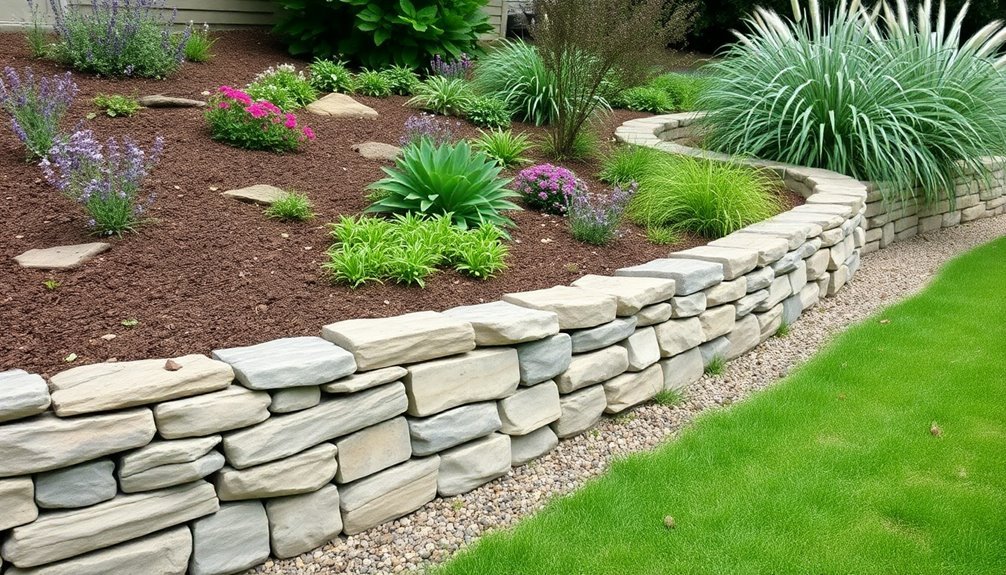
    Stacked Stone Walls for Elevation Changes

    elegant garden elevation solutions

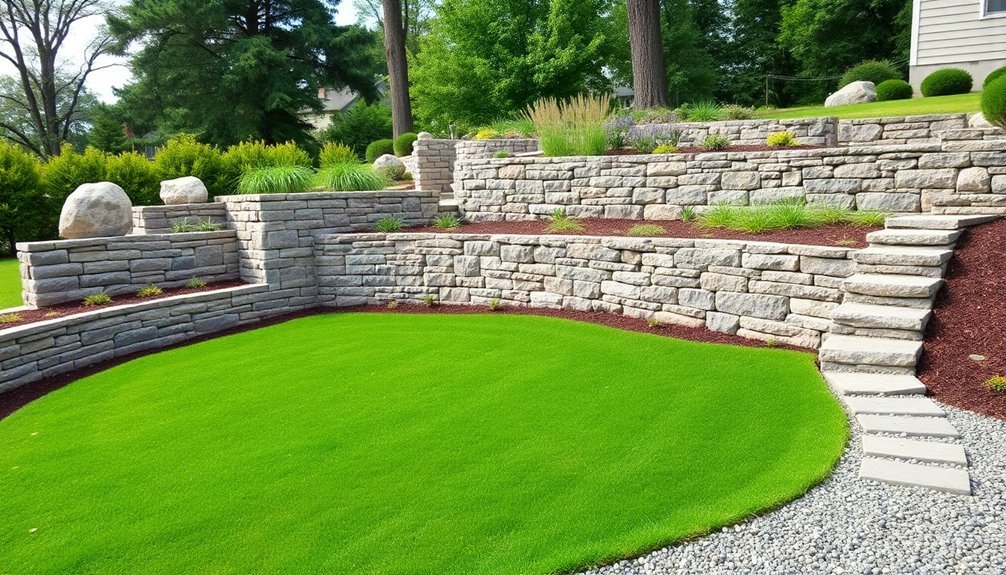
    Stacked stone walls serve a dual purpose by defining garden boundaries while managing slopes and level changes. These substantial structures can be built with or without mortar, depending on height and soil conditions. Dry-stacked walls allow for drainage and create pockets for alpine plants to nestle between stones. They add architectural interest and permanence to a landscape, working especially well in terraced gardens or where retaining soil on hillsides is necessary. Natural stone blends beautifully with most garden styles.

    Recycled Roof Tiles Standing Vertically

    rustic recycled roof tiles

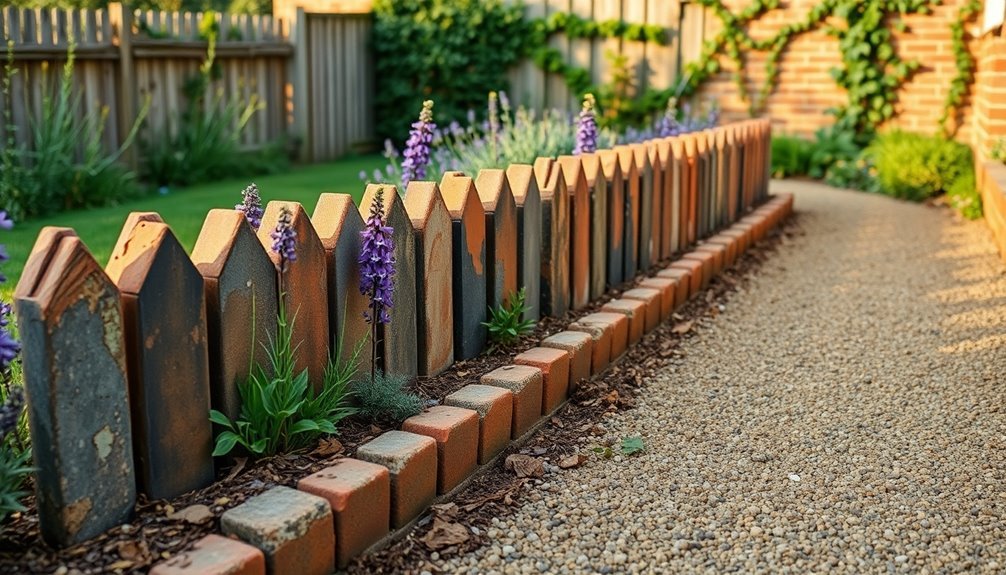
    Recycled roof tiles positioned vertically create a distinctive sawtooth edge with charming rustic appeal. Old terracotta or slate tiles can be partially buried at angles to form a textured border that prevents soil spillage while adding character. This sustainable approach gives new life to salvaged materials and works particularly well in cottage gardens or informal settings. The varied weathering and patina of reclaimed tiles brings instant age and personality to garden beds.

    Woven Willow or Hazel Hurdles

    natural biodegradable garden edging

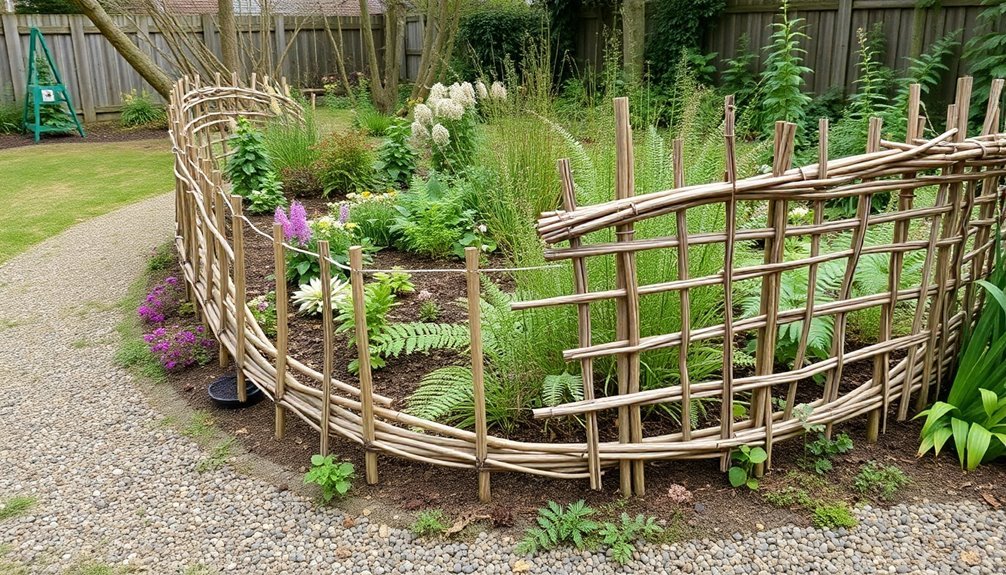
    Woven willow or hazel hurdles bring traditional craftsmanship to garden borders with their flexible, latticed structure. These natural panels can be cut to desired heights and staked into the ground to create low-profile edging that defines beds while maintaining an organic aesthetic. The interwoven stems develop a silvery patina over time and blend seamlessly into naturalistic plantings. This biodegradable option suits woodland gardens and informal spaces, though the panels typically need replacing every few years as they gradually decompose.

    Concrete Pavers in Geometric Arrangements

    geometric concrete paver borders

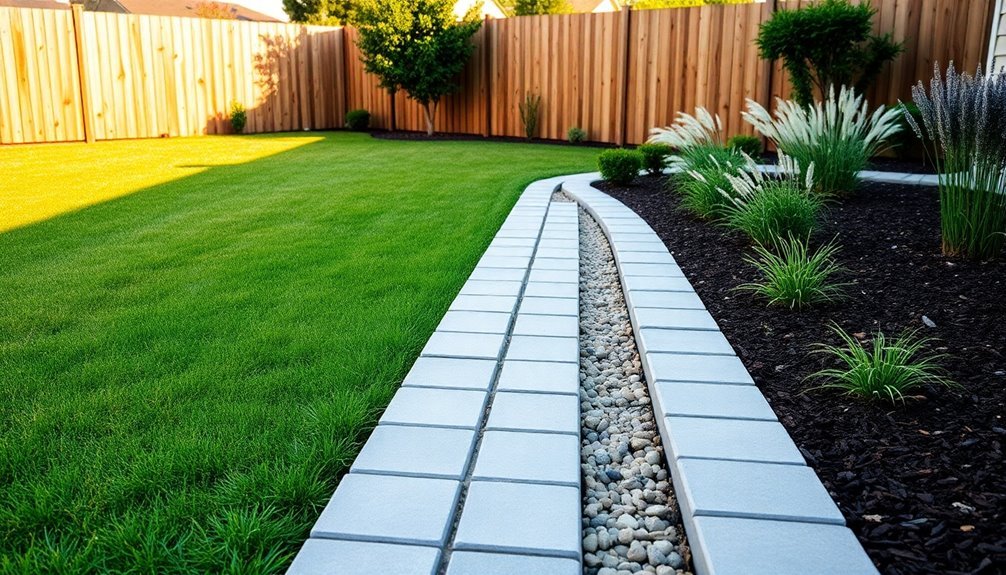
    Concrete pavers arranged in geometric patterns create clean, contemporary garden borders with lasting durability. Square, rectangular, or hexagonal pavers can be positioned in straight lines, staggered formations, or interlocking designs to establish crisp boundaries between lawn and planting areas. Their substantial weight keeps them firmly in place without additional anchoring, while the neutral gray tones complement both modern and traditional garden styles. These low-maintenance edges withstand weather and foot traffic, offering a permanent solution that requires minimal upkeep over time.

    Terracotta Pots Half-Buried as Border

    charming rustic garden borders

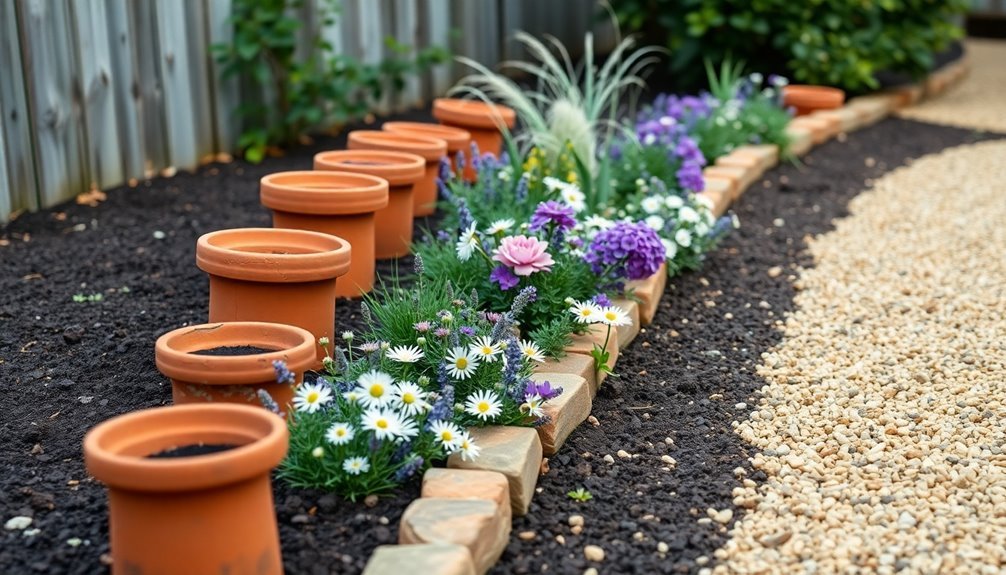
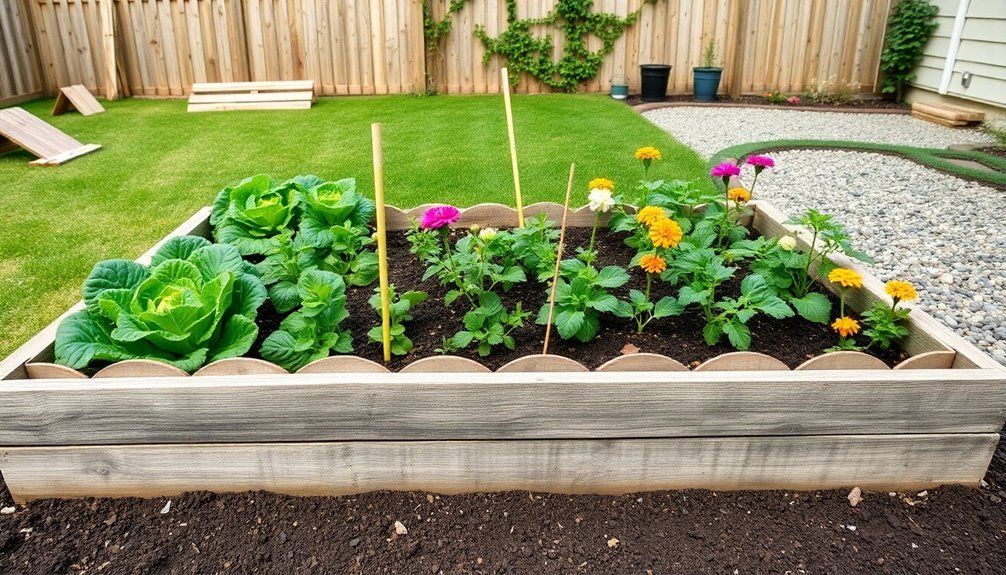
    Terracotta pots half-buried along garden borders bring a charming, rustic character to landscaping edges. Position the pots at regular intervals with their rims just above soil level, creating a gentle scalloped effect that softens the shift between planted areas and pathways. The warm, earthy tones of terracotta add visual warmth while providing excellent drainage properties. This budget-friendly approach works particularly well in cottage gardens and informal settings, where the slightly weathered appearance of the pots enhances the overall aesthetic appeal.

    Railroad Ties for Bold Definition

    dramatic garden borders defined

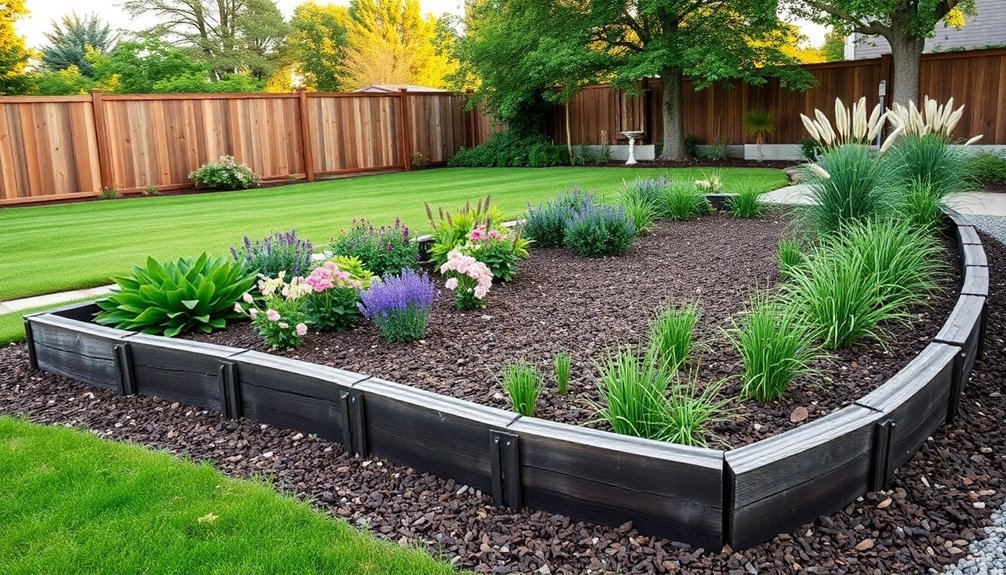
    Railroad ties create substantial, dramatic borders that clearly define garden spaces with their robust presence. These heavy timber beams work especially well for retaining slopes or establishing raised beds, offering both structural support and visual impact. Their dark, weathered appearance provides strong contrast against plantings and lawn areas. Stack them horizontally for retaining walls or lay them flat for ground-level borders. The durability of railroad ties guarantees long-lasting definition, though modern treated lumber alternatives offer safer options for edible gardens.

    Gabion Walls Filled With Rocks

    customizable rock filled walls

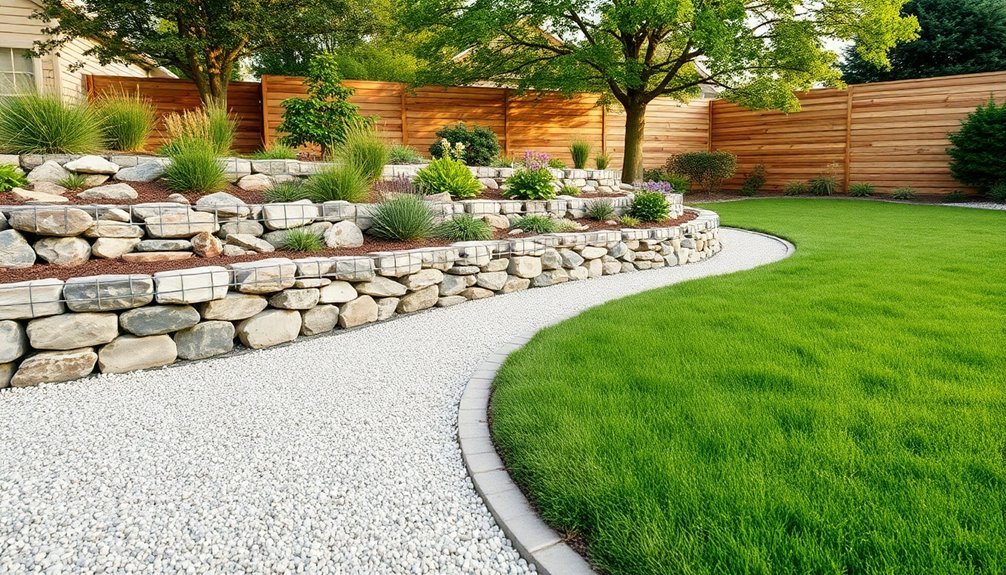
    Gabion walls bring an industrial-chic aesthetic to garden borders while providing excellent structural support. These wire mesh cages filled with rocks, stones, or pebbles create permeable yet sturdy edging that handles drainage naturally. You can customize the look by selecting different stone types, sizes, and colors to complement your landscape. They work particularly well for terraced gardens, slope stabilization, or creating dramatic height variations. The modular design allows for curved or straight configurations to suit any garden layout.

    Flexible Rubber or Plastic Strip Edging

    budget friendly garden edging solution

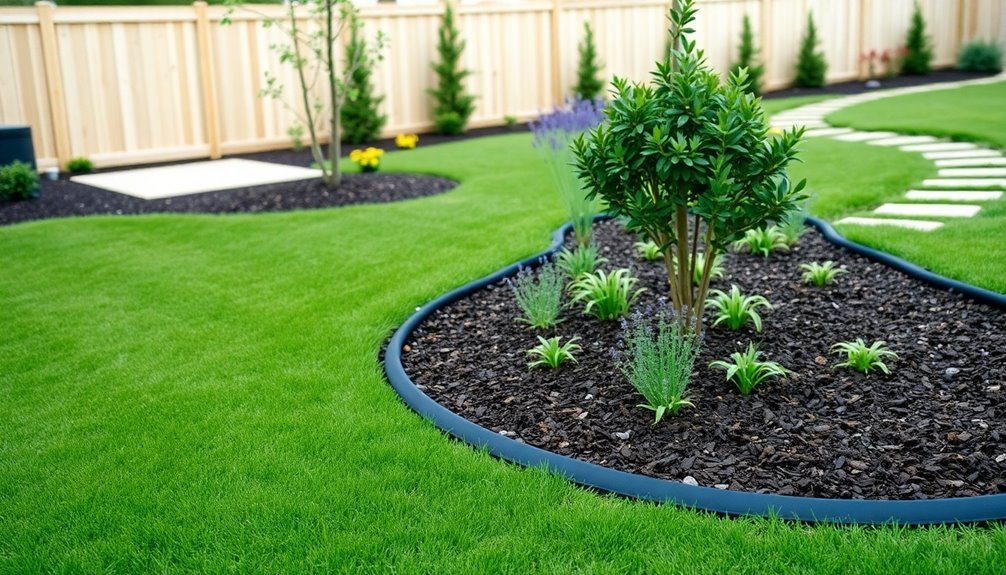
    Flexible rubber or plastic strip edging offers a practical, budget-friendly solution for defining garden beds with smooth curves and flowing lines. These pliable strips install easily by staking them into the ground along your desired border path. They create a clean separation between lawn and garden areas while remaining virtually invisible once installed. The material resists weather damage and won’t rot like wood alternatives. They’re particularly useful for creating organic shapes around trees, flower beds, or winding pathways without the need for cutting or special tools.

    Seashells for Coastal Garden Vibes

    seashells for garden borders

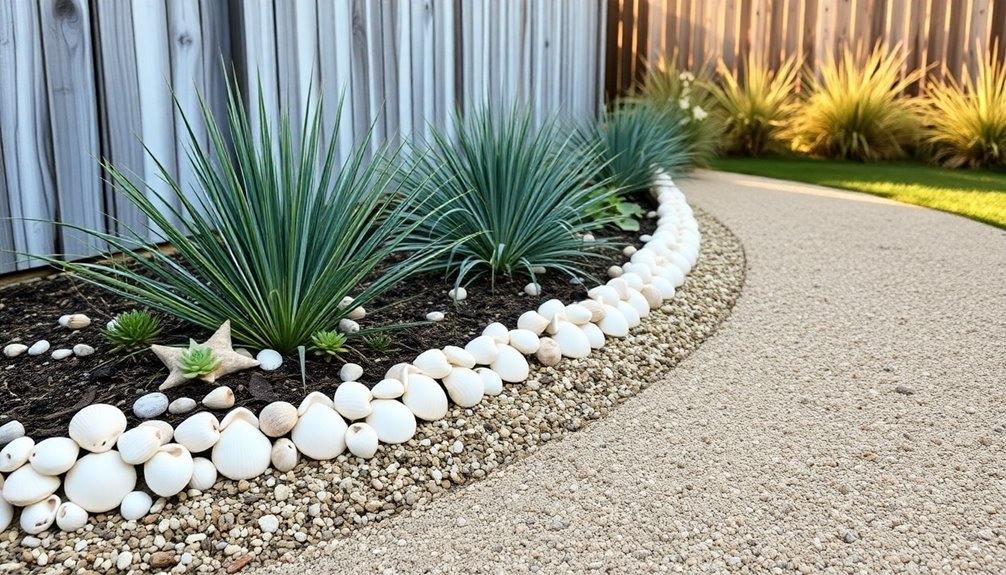
    Seashells bring a relaxed, beachy atmosphere to garden borders while providing an eco-friendly edging option. Collect shells during coastal visits or purchase them in bulk from garden centers. Arrange them along pathways or around flower beds to create textured, natural-looking borders. Larger shells like conch or scallop work well for substantial edging, while smaller varieties fill gaps beautifully. They reflect sunlight, add visual interest, and complement coastal plantings like ornamental grasses and succulents perfectly.

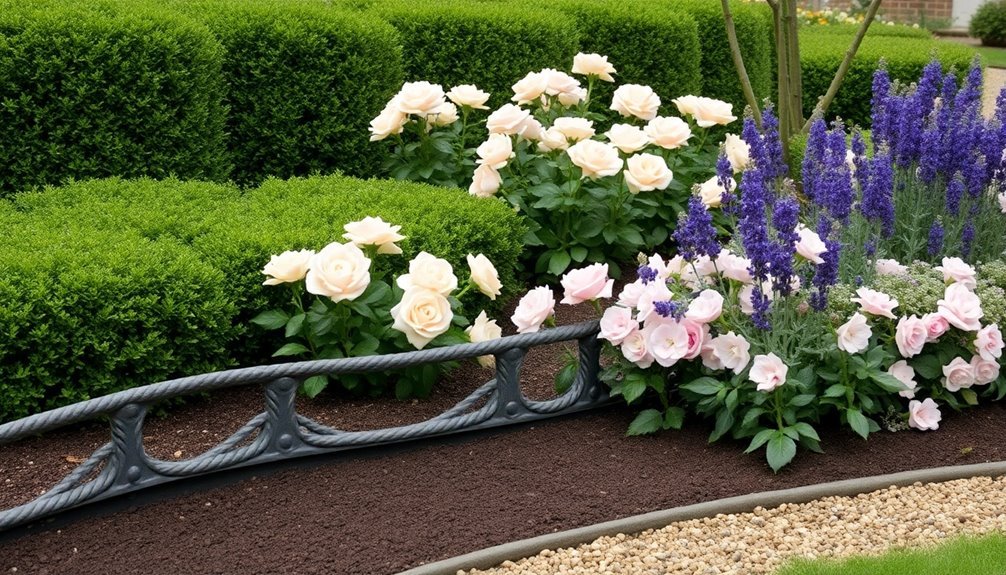
    Decorative Wrought Iron or Aluminum Fencing

    elegant metal garden fencing

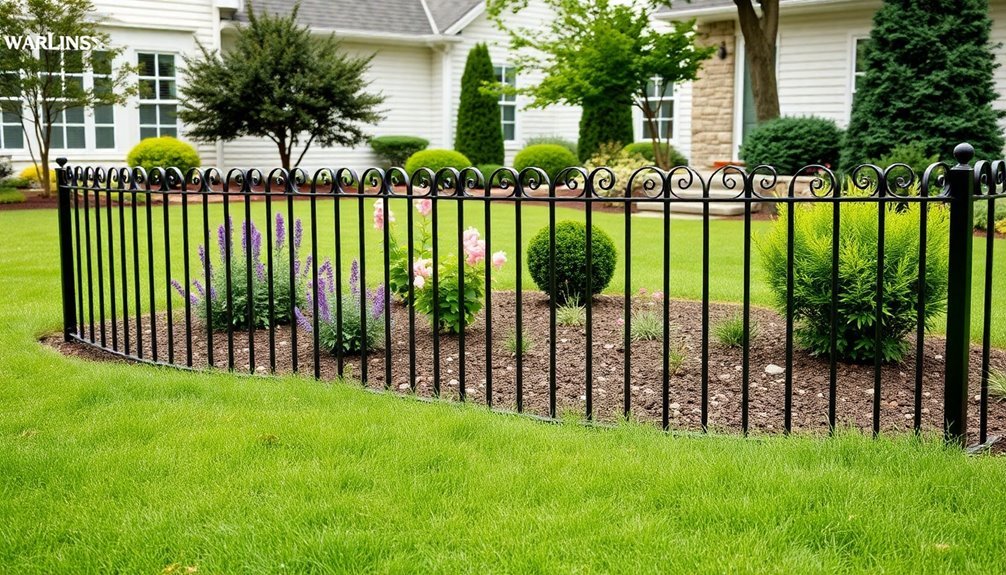
    Decorative wrought iron or aluminum fencing adds elegance and structure to garden edges while lasting for years. These metal borders come in various heights and ornate designs, from simple hoops to Victorian-style patterns. Aluminum offers a lightweight, rust-resistant option that’s easy to install, while wrought iron provides classic durability and timeless appeal. Both materials work well for defining formal garden beds, protecting plants from foot traffic, and creating sophisticated borders that complement traditional and contemporary landscapes alike.

    Bamboo Poles Bundled Together

    eco friendly bamboo garden edging

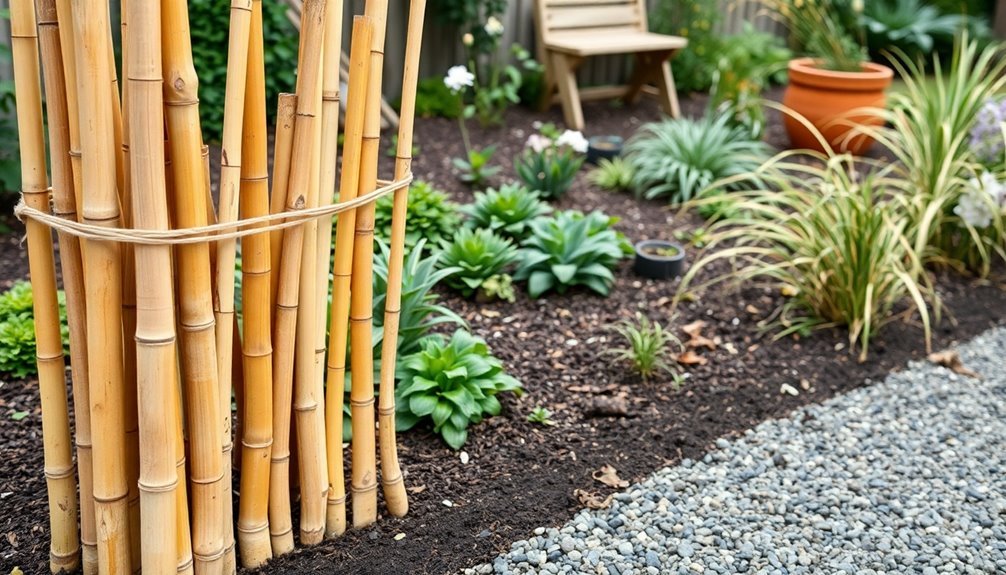
    Bamboo poles bundled together create a natural, eco-friendly garden edge with rustic charm. These vertical stakes can be tied in clusters of varying heights to form attractive borders that blend seamlessly with cottage gardens, Asian-inspired landscapes, or vegetable plots. Bamboo is renewable, affordable, and naturally weather-resistant. The vertical lines add visual interest while providing a sturdy barrier. This edging works particularly well in informal settings where an organic, textured look is desired over rigid formality.

    Slate Tiles Stood on Edge

    sleek natural stone edging

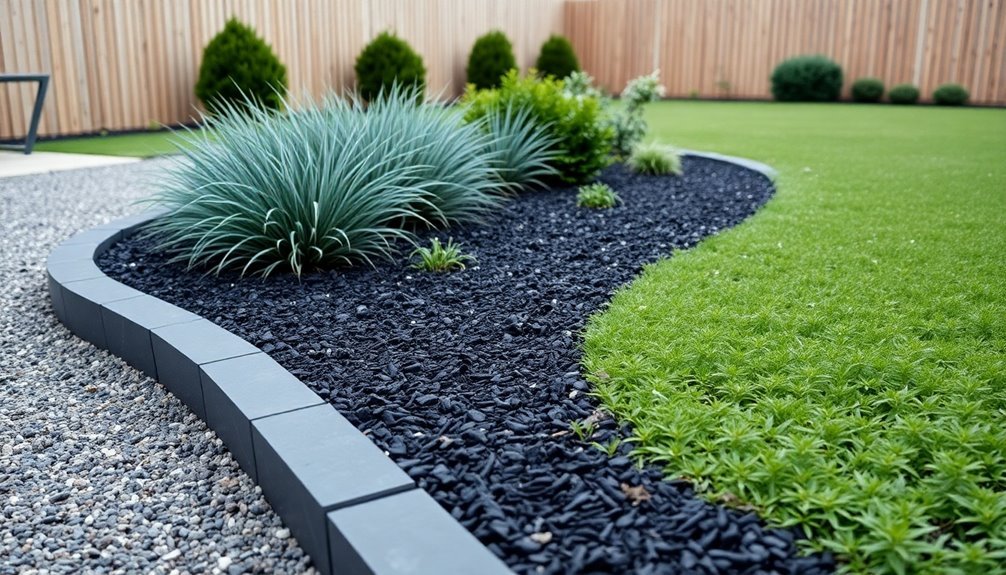
    Slate tiles stood on edge deliver a sleek, contemporary garden border with natural stone elegance. These flat pieces create clean vertical lines that define planting beds while adding textural depth to the landscape. Slate’s durability withstands weather and frost, and its dark tones complement both modern and traditional gardens. The tiles can be placed in straight runs or gentle curves, offering flexibility in design. This edging method provides a sophisticated look that enhances rather than overwhelms the surrounding plantings.

    Poured Concrete Curbing

    permanent seamless garden edging

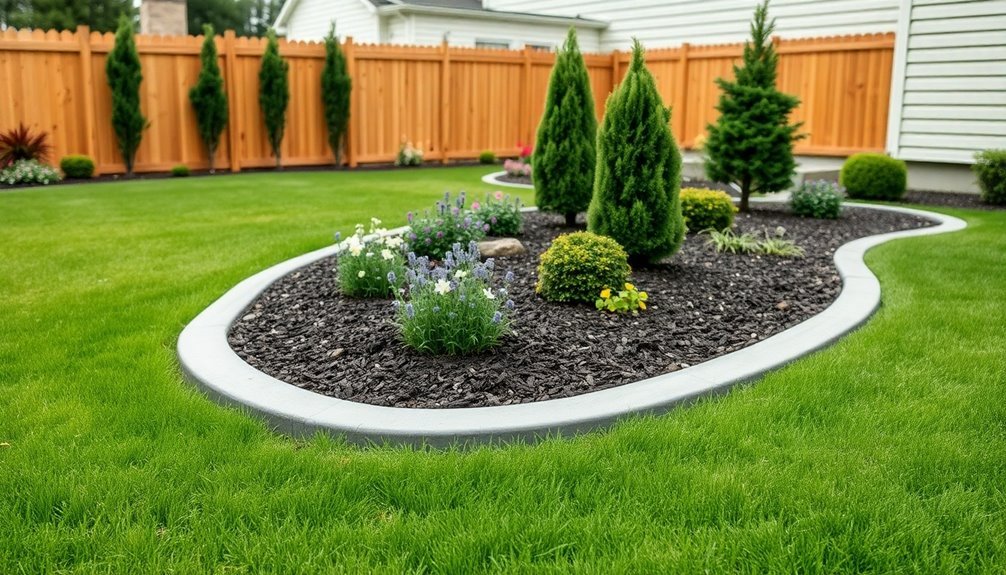
    Poured concrete curbing creates a permanent, seamless edge that follows any garden contour with precision. This professional-grade option forms a smooth, continuous barrier that prevents grass encroachment and simplifies lawn maintenance. The concrete can be stamped, colored, or left in its natural gray finish to match your landscape style. While installation requires specialized equipment or professional help, the result is a long-lasting border that defines spaces clearly and reduces ongoing edging work for years to come.

    Recycled Glass Bottles for Color

    eco friendly colorful garden borders

    Recycled glass bottles offer an eco-friendly way to add vibrant color to garden borders. Install them upside down along bed edges, burying the necks partially in soil to create a decorative barrier. The glass catches sunlight beautifully and comes in various colors like green, blue, and amber. This budget-conscious option works well in cottage gardens and informal settings, giving new purpose to materials that might otherwise end up in landfills.

    Natural Fieldstone Stacking

    natural stone wall construction

    Natural fieldstone creates a timeless, organic edge that blends seamlessly with most garden styles. Stack flat stones of varying sizes to form a low retaining wall, fitting them together like puzzle pieces without mortar for a rustic appearance. This method works particularly well on slopes where the stones provide stability and prevent soil erosion. Fieldstones age gracefully, developing moss and patina over time while requiring minimal maintenance once properly positioned.

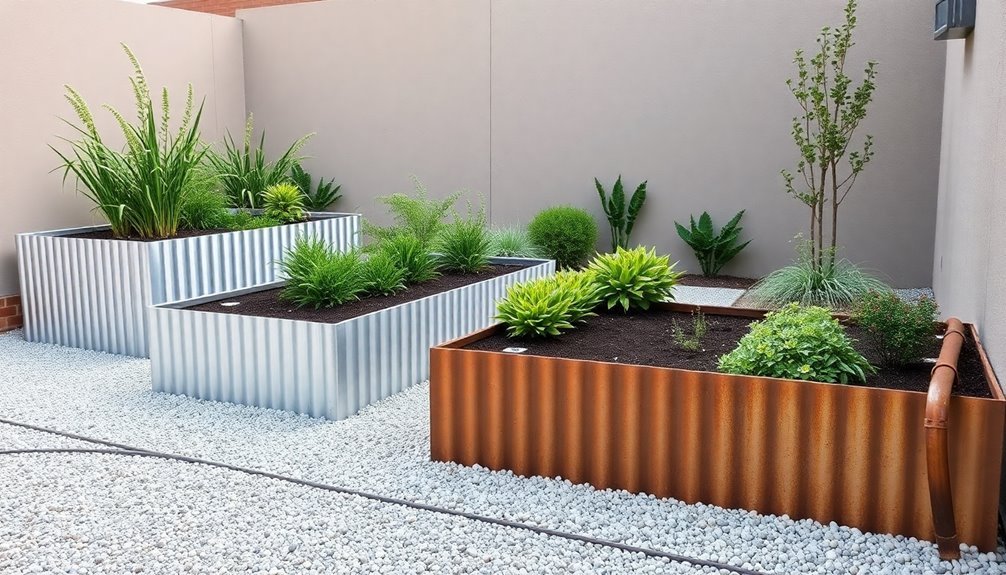
    Corrugated Metal Sheets for Industrial Look

    industrial garden metal sheets

    Corrugated metal sheets bring contemporary industrial character to garden beds with their sleek, linear profiles. Install them vertically by burying the bottom edge several inches deep to guarantee stability and prevent shifting. The material’s natural rust patina develops beautifully over time, adding warmth to modern landscapes. Metal edging works especially well in urban gardens or when paired with gravel pathways and concrete elements. Choose galvanized options for a silvery finish or raw steel for evolving rust tones.

    Victorian Rope-Top Edging

    victorian decorative garden edging

    Victorian rope-top edging recreates classic garden elegance with its distinctive twisted rope design along the upper edge. These decorative borders, typically made from cast iron or resin reproductions, add period charm to formal flower beds and cottage gardens. Install them by pressing the lower spikes firmly into prepared soil, ensuring each section connects smoothly. The ornate detailing works beautifully alongside traditional plantings like roses, lavender, and boxwood hedges, creating defined borders that honor historical garden styles.

    Reclaimed Pallet Wood Planks

    eco friendly garden edging solution

    Reclaimed pallet wood planks offer an eco-friendly and budget-conscious approach to garden edging. Break down wooden pallets and cut the planks to your desired height, then treat them with exterior wood sealant to extend their lifespan. Install the planks vertically by burying one-third of their length in the soil, or lay them horizontally and secure with stakes. The rustic, weathered appearance complements informal garden designs, vegetable patches, and naturalized planting areas while giving new life to discarded materials.

    Living Plant Borders With Low Hedges

    elegant low hedge borders

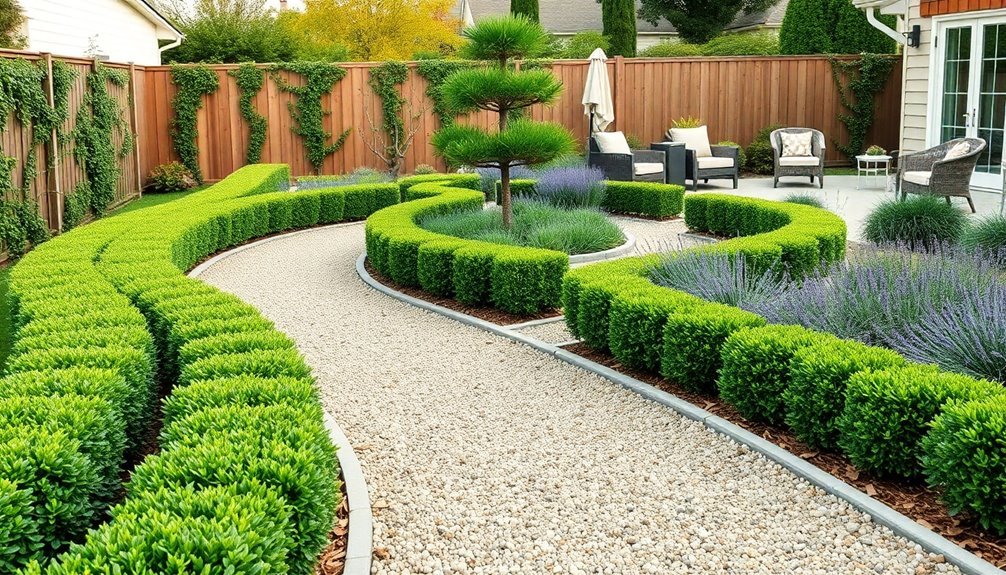
    Living plant borders with low hedges create a soft, natural edge that defines garden spaces while adding greenery and texture. Popular choices include boxwood, lavender, dwarf mondo grass, and germander, which maintain compact forms with minimal maintenance. Plant them in a continuous line at consistent spacing, typically six to twelve inches apart depending on the species. This edging method requires patience as plants establish and fill in, but rewards you with a classic, elegant border that matures beautifully over time.

    Flagstone Pieces Laid Flat

    rustic flat stone borders

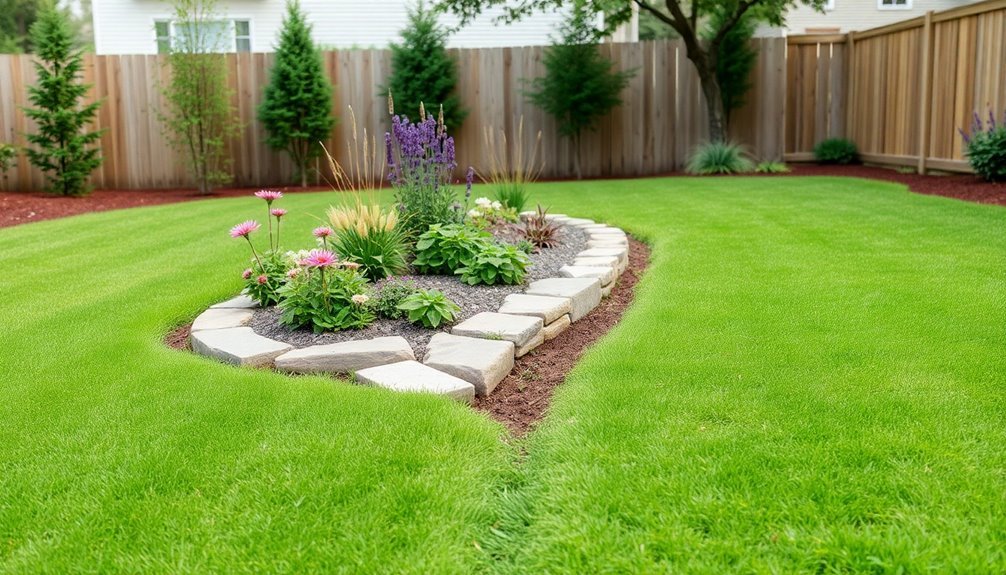
    Flagstone pieces laid flat provide a rustic, organic border that complements both formal and cottage-style gardens. Choose irregular pieces in varying sizes and arrange them along garden beds, either fitted tightly together or with small gaps filled with ground cover plants. The natural stone withstands weather while offering a stable, clean edge that prevents grass from creeping into beds. This method works particularly well on slopes where the flat stones help prevent soil erosion.

    Ceramic Tiles in Mosaic Patterns

    mosaic tile garden edges

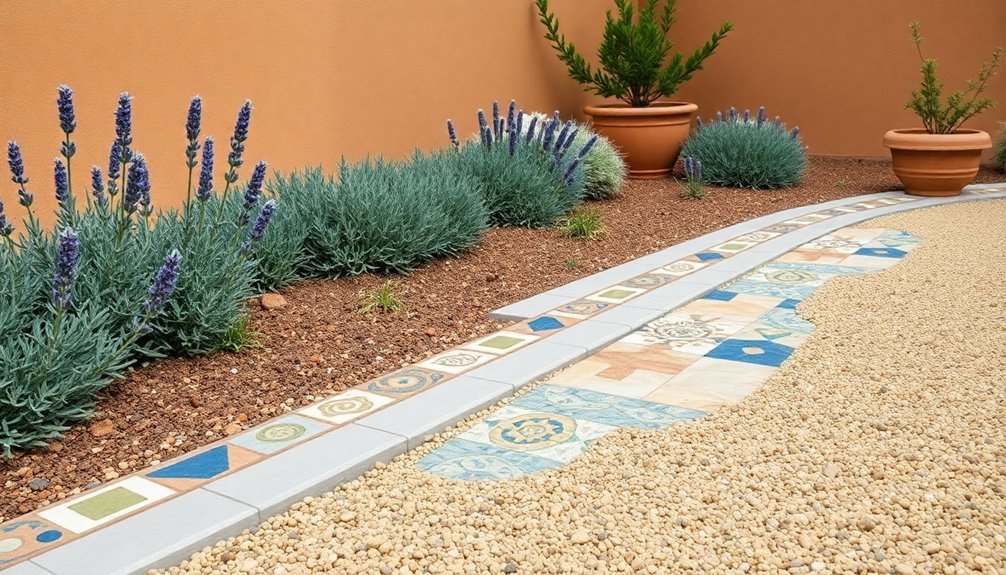
    Ceramic tiles in mosaic patterns bring artistic flair and vibrant color to garden edges. Use broken or whole tiles to create geometric designs, abstract patterns, or themed borders that reflect your personal style. Set tiles in mortar along concrete or brick borders for a durable, weatherproof edge. This technique works beautifully in Mediterranean or eclectic garden designs, transforming ordinary edges into eye-catching features. Choose frost-resistant tiles in climates with freezing temperatures to prevent cracking.

    Corten Steel for Weathered Patina

    durable weathering steel aesthetics

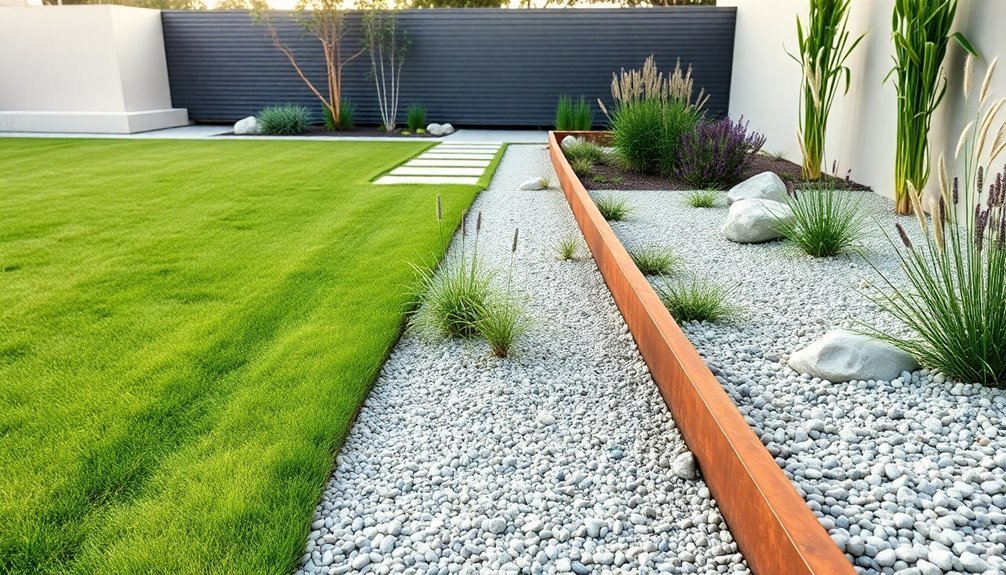
    Corten steel offers a striking modern edge with its distinctive rust-orange patina that develops naturally over time. This weathering steel creates a bold, industrial look while providing excellent durability and strength. Install sheets or strips vertically to define clean lines between lawn and garden beds. The material resists corrosion and maintains structural integrity for decades. Corten steel pairs particularly well with contemporary landscapes, gravel gardens, and minimalist designs where its warm, earthy tones complement natural plantings.

    Gravel-Filled Trenches

    low maintenance garden edging

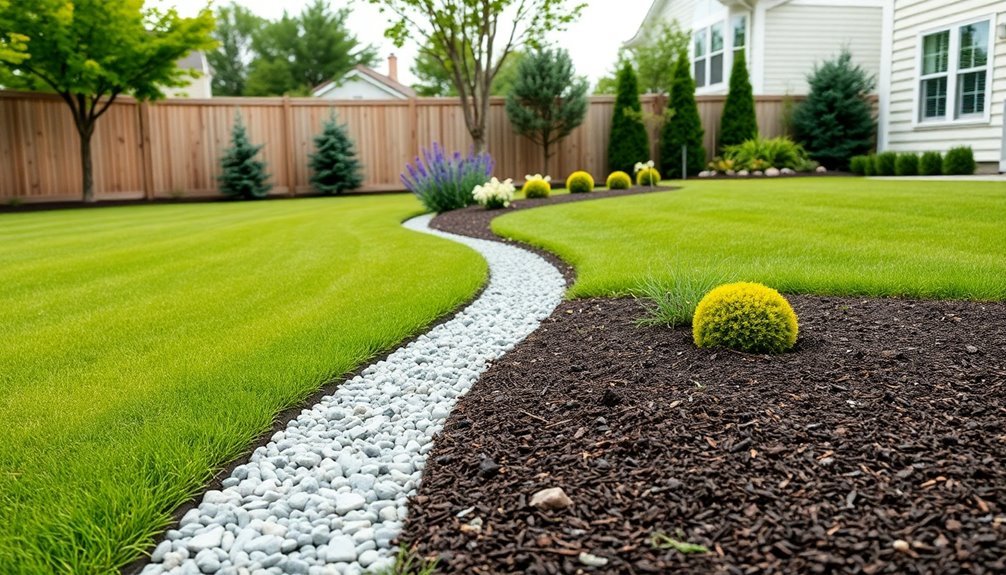
    Gravel-filled trenches provide a practical, low-maintenance edging solution that allows for excellent drainage while creating clear garden boundaries. Dig a narrow trench between your lawn and planting beds, then fill it with pea gravel, river rock, or crushed stone. This method works especially well in areas prone to excess moisture, as the gravel prevents water pooling. The neutral appearance suits various garden styles, and you can easily adjust the width to accommodate different design needs or refresh the look by changing stone colors.

    Upcycled Bicycle Wheels

    whimsical garden edging solution

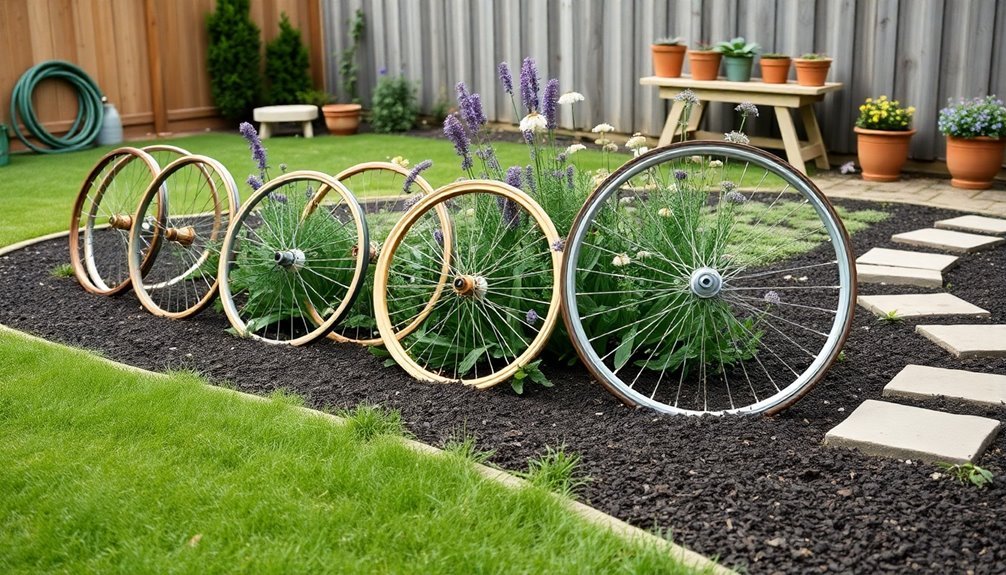
    Upcycled bicycle wheels offer a creative, whimsical approach to garden edging that adds personality to your outdoor space. Simply push the wheels partially into the soil along garden borders, spacing them evenly or overlapping for visual interest. This eco-friendly option works particularly well in cottage gardens or playful landscapes. The circular frames create natural sections for plants to grow through, and you can leave the wheels in their weathered state or paint them to complement your garden’s color scheme.

    Textured Cement Blocks or Cinder Blocks

    textured blocks for gardens

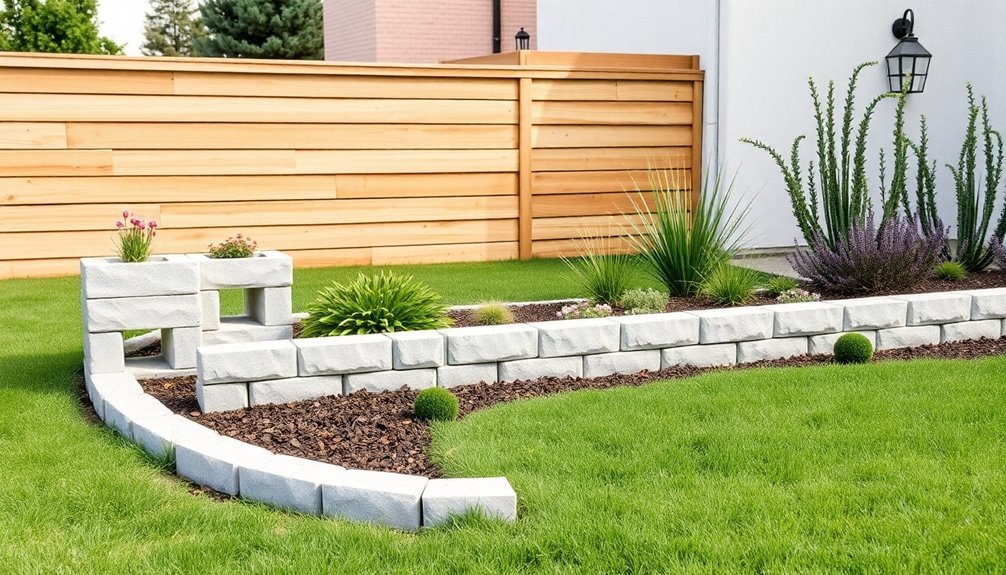
    Textured cement blocks or cinder blocks provide an affordable, durable solution for garden edging with modern appeal. Stack them vertically or lay them horizontally along borders, using their hollow centers as planters for succulents, herbs, or trailing flowers. The geometric shapes create clean lines while the textured surfaces add visual depth. These blocks work well in contemporary gardens and can be painted or left natural. Their weight keeps them stable without installation, and they’re easy to rearrange as your garden evolves.

    Conclusion

    You’ve got 30 creative ways to transform your garden edges right now. Pick your favorite style and let’s get started this weekend. Whether you choose classic brick, natural river rocks, or modern steel, you’ll add structure and beauty to your outdoor space. Plus, many options use recycled materials you already have. Your garden will look polished and professional with minimal effort. Start with one border and watch your whole yard come together.

  • 30 Stunning Garden Walkway Ideas You Can Easily Copy

    You’re about to transform your garden into something special with walkways that actually work. These 30 ideas blend practical design with real beauty, and they won’t break your budget. From timeless brick patterns to modern concrete styles, you’ll find options that match your space perfectly. Plus, many use natural materials like flagstone and reclaimed wood for that rustic charm everyone loves. Let’s explore which pathway will make your outdoor space shine and keep maintenance simple.

    Classic Brick Herringbone Pattern Pathway

    elegant brick pathway design

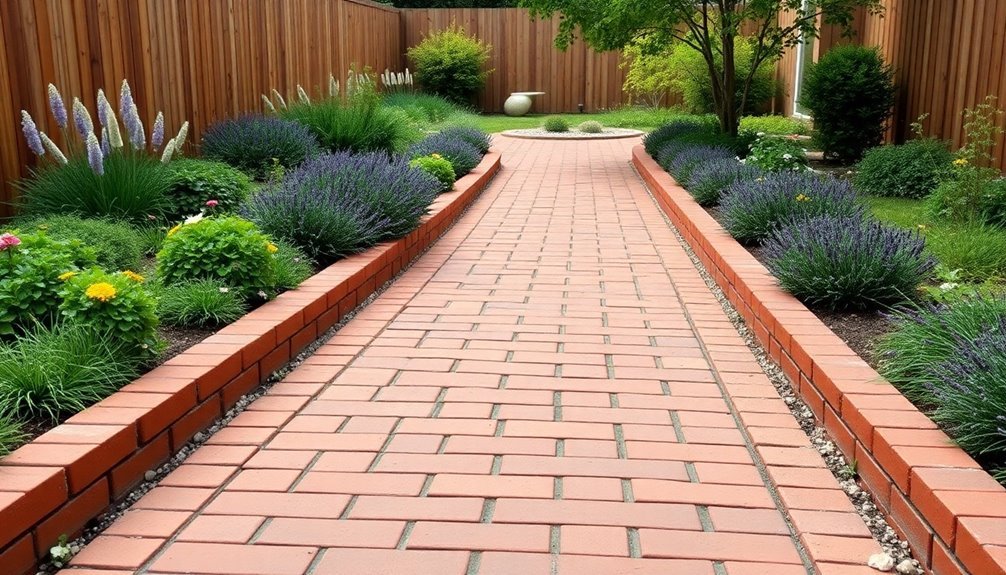
    A brick herringbone pattern brings timeless elegance to any garden walkway. The distinctive V-shaped design creates visual interest while providing excellent stability and drainage. This classic layout works beautifully in both traditional and contemporary landscapes. The interlocking arrangement helps prevent shifting over time, and you can choose from various brick colors to complement your outdoor space. Installation requires careful attention to maintain the alternating pattern, but the striking results are well worth the effort.

    Natural Flagstone With Moss-Filled Gaps

    organic cottage style pathway

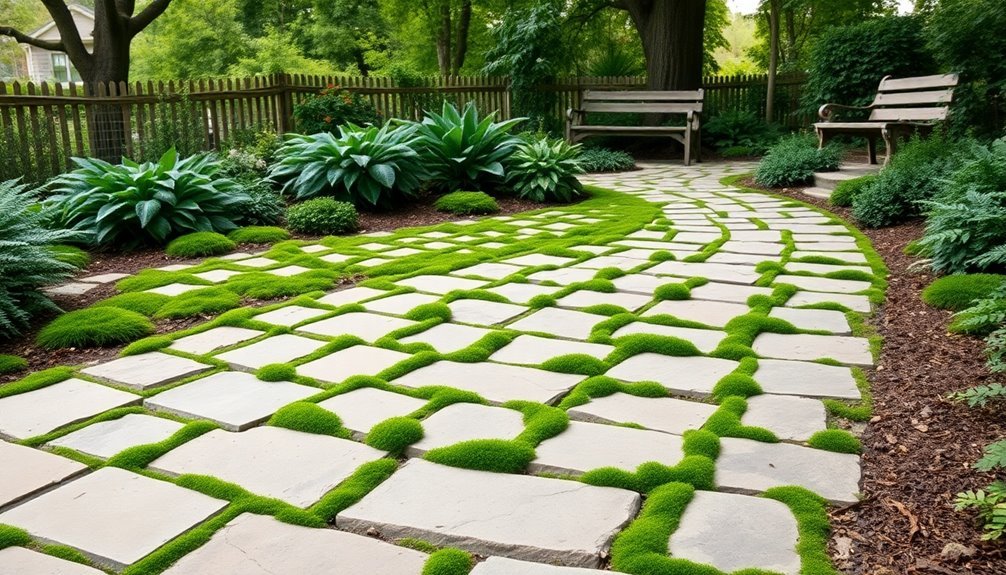
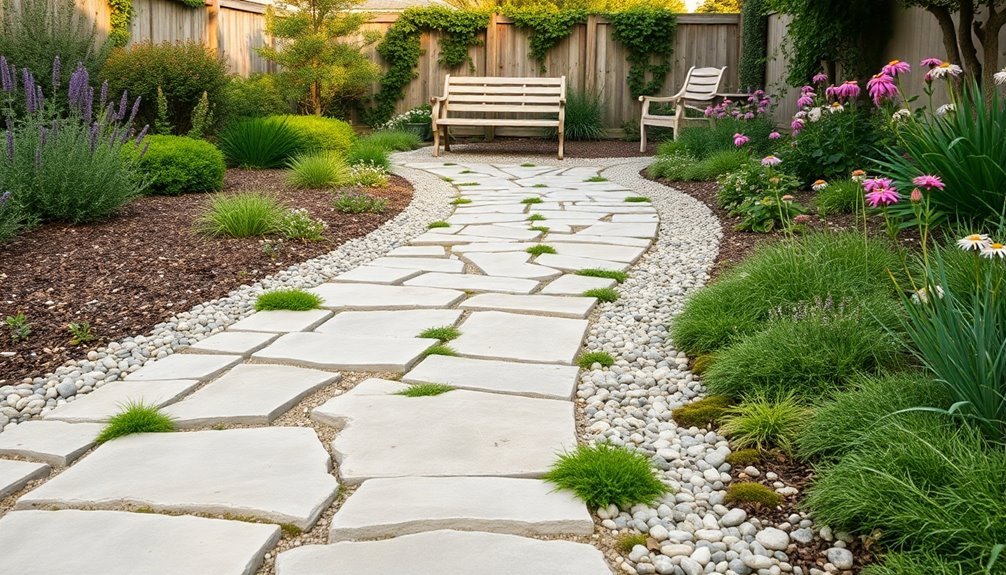
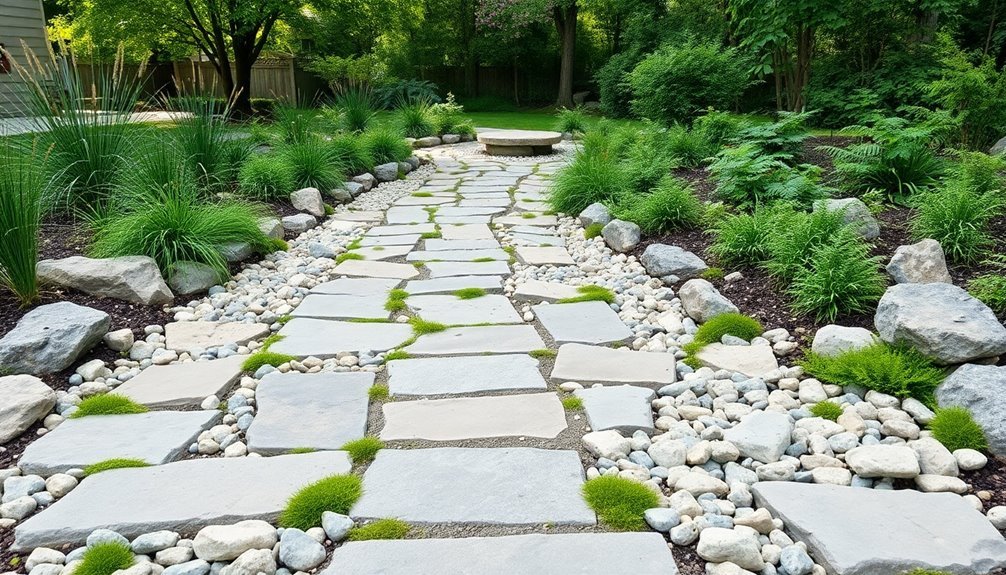
    Natural flagstone creates an organic, cottage-style pathway that blends seamlessly with garden surroundings. The irregular shapes and earth-toned hues of flagstone pieces fit together like a natural puzzle, while soft moss growing between the gaps adds rustic charm and helps with drainage. This low-maintenance option works particularly well in shaded areas where moss thrives. The varied surface texture provides good traction, and the stones develop a beautiful patina over time that enhances their weathered, timeless appeal.

    Pea Gravel Path With Wooden Edging

    affordable gravel path edging

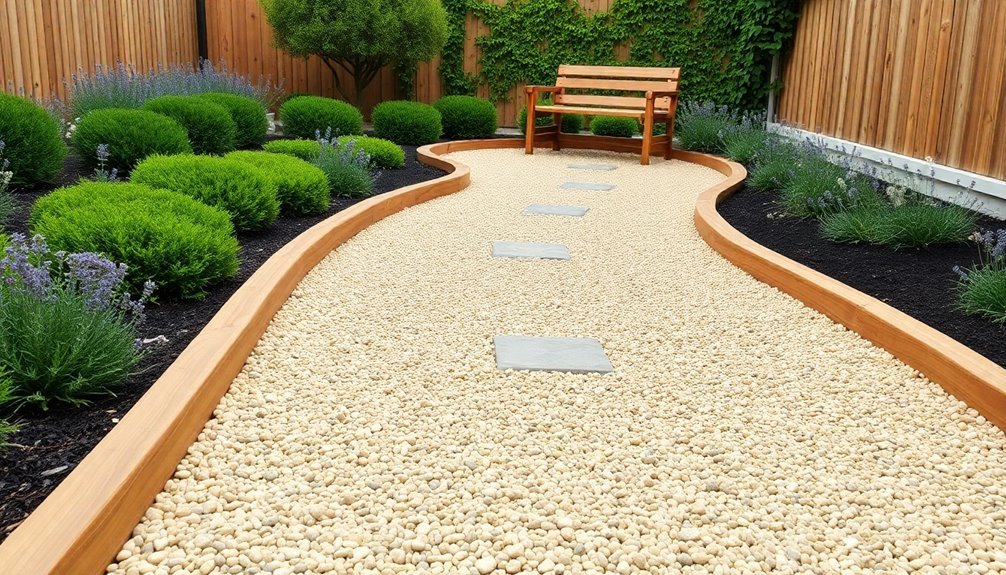
    Pea gravel offers an affordable and versatile pathway solution that’s simple to install and maintain. The small, rounded stones create a pleasant crunching sound underfoot while providing excellent drainage. Wooden edging keeps the gravel contained and adds visual definition to the path, creating a clean border that separates the walkway from surrounding garden beds. This combination works well in both formal and informal garden settings, and you can easily refresh the look by adding more gravel as needed.

    Stepping Stones Through Ground Cover Plants

    charming natural garden pathways

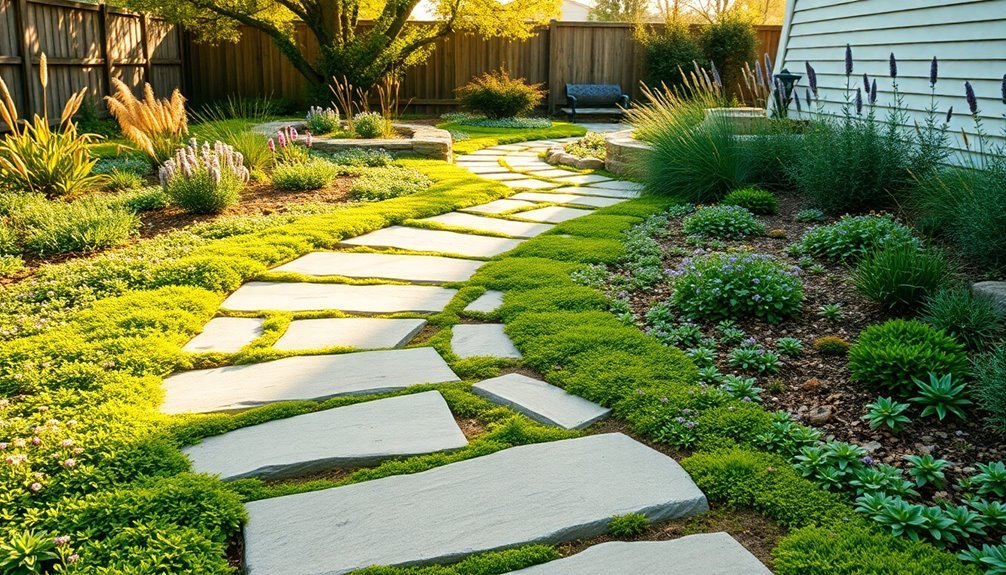
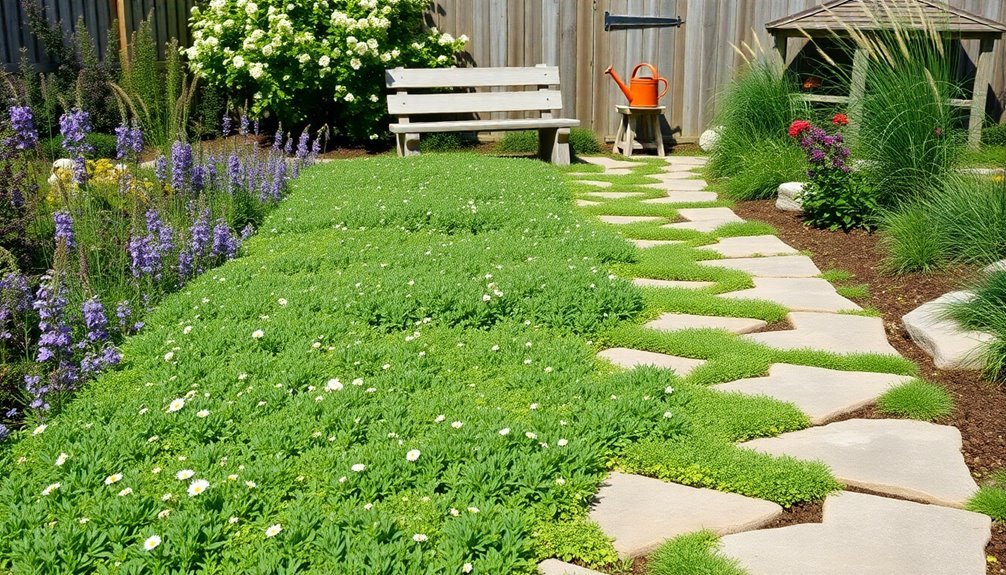
    Stepping stones set within ground cover plants offer a charming, natural pathway that blends seamlessly into your garden landscape. This design allows low-growing plants like creeping thyme, sedum, or moss to fill the spaces between stones, softening the walkway’s appearance while reducing maintenance. The arrangement provides a practical walking surface without sacrificing planting space, and the ground cover helps suppress weeds naturally. Space stones according to your stride for comfortable walking, typically 18 to 24 inches apart.

    Reclaimed Wood Plank Walkway

    rustic reclaimed wood pathways

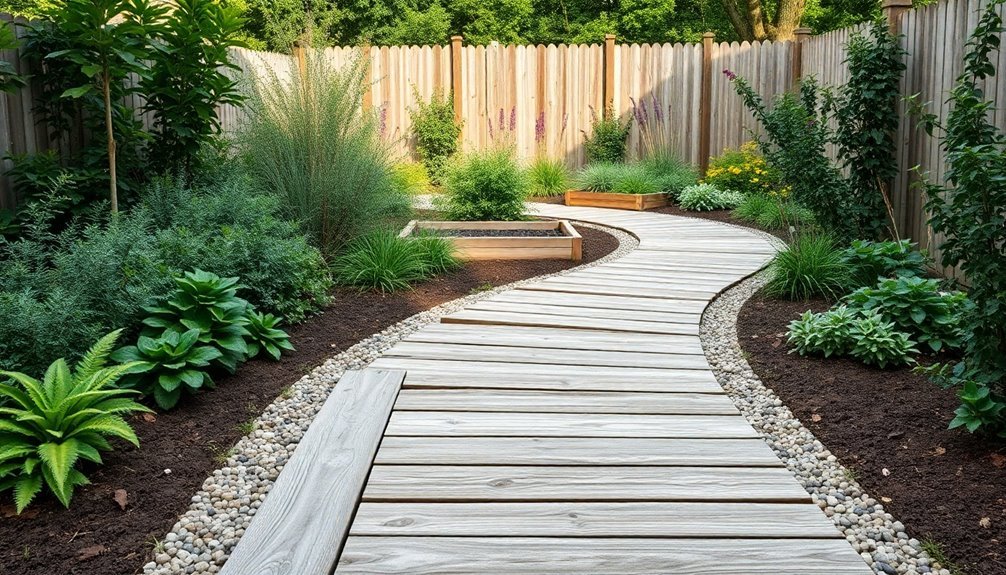
    Reclaimed wood planks bring rustic character and warmth to garden pathways while supporting sustainable design principles. These weathered boards create a natural, cottage-style aesthetic that complements informal gardens beautifully. When installing, guarantee proper drainage underneath and treat the wood to extend its lifespan in outdoor conditions. The planks work particularly well in woodland gardens or alongside vegetable beds, and their width provides stable footing even in damp weather. Consider mixing plank widths for added visual interest.

    Decomposed Granite for a Soft Desert Look

    affordable permeable desert surfaces

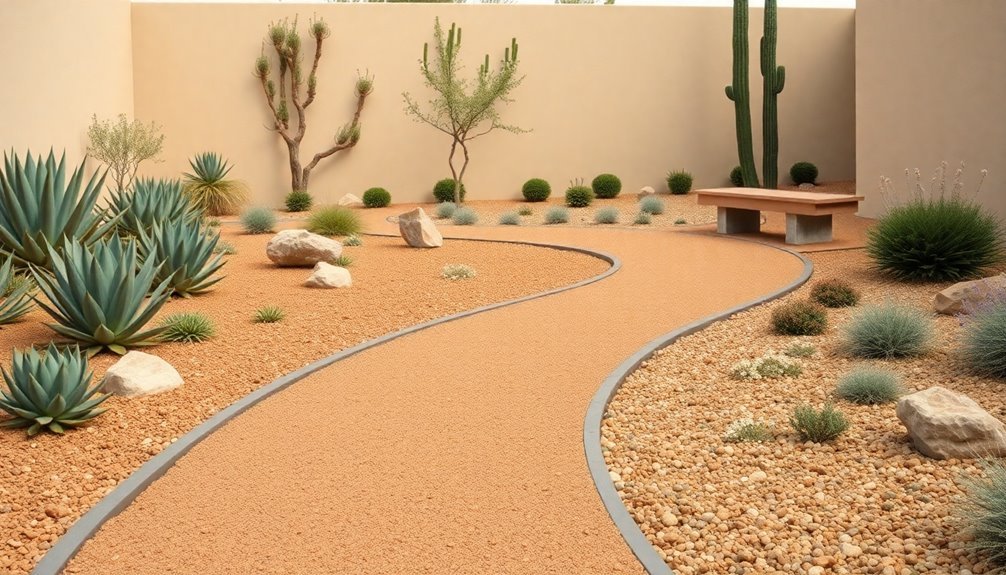
    Decomposed granite offers an affordable, permeable surface that captures the relaxed feel of desert landscapes. This finely crushed rock compacts well underfoot while allowing water to drain naturally through the soil below. The material comes in warm earth tones from golden tan to reddish brown, creating a soft shift between planted areas. Installation requires edging to contain the material, and occasional replenishing maintains a tidy appearance. It pairs beautifully with drought-tolerant plantings and modern desert gardens.

    Concrete Pavers in a Modern Grid Design

    modern grid concrete pavers

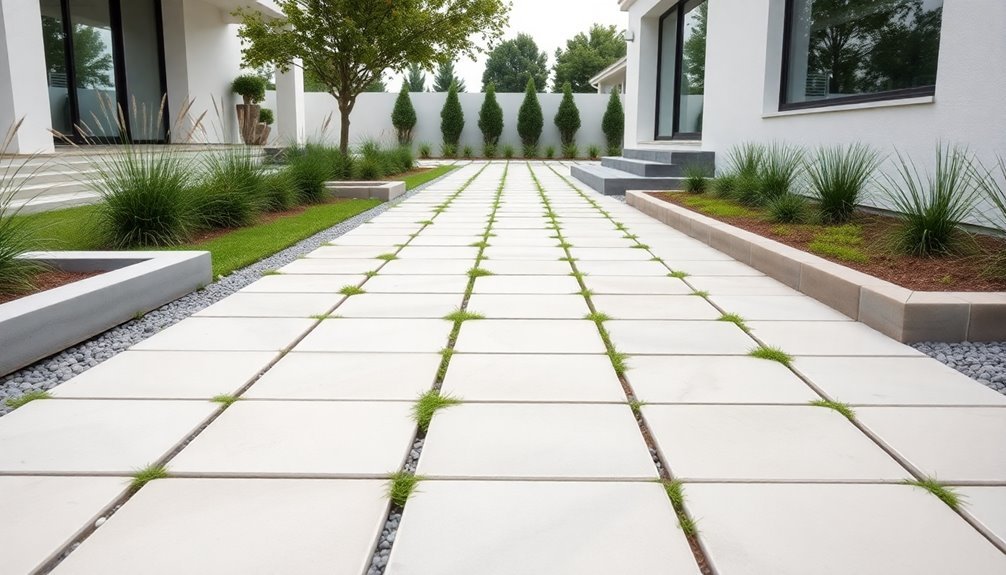
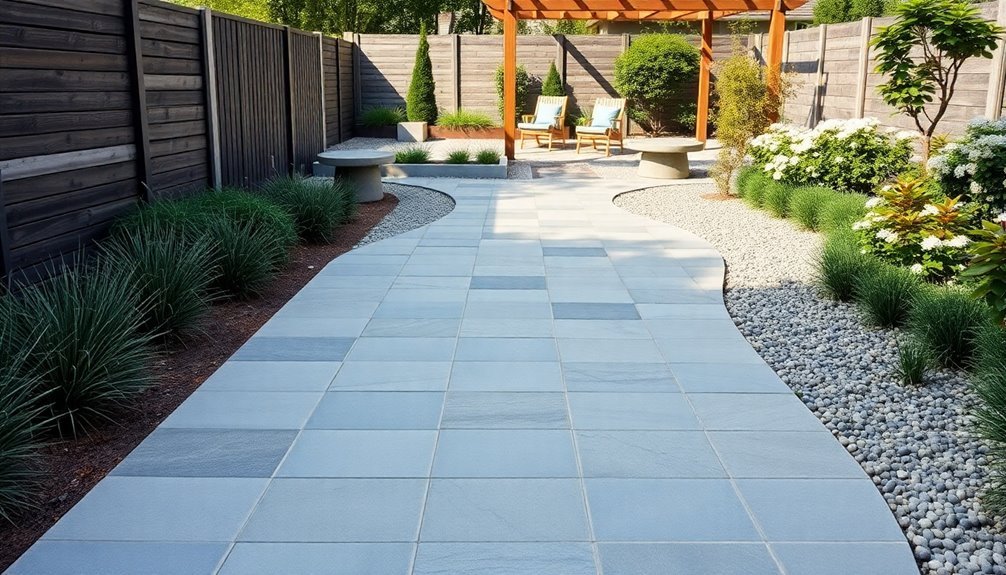
    Concrete pavers arranged in a grid pattern bring clean, contemporary style to garden walkways. These uniform squares or rectangles create strong visual lines that complement modern architecture and minimalist landscaping. Spacing the pavers with gaps for low-growing ground cover or gravel softens the look while maintaining the geometric appeal. The design works well in both small courtyards and larger gardens, offering a crisp, organized pathway that’s easy to install and maintain over time.

    Broken Concrete Mosaic (Urbanite) Path

    eco friendly rustic mosaic path

    Broken concrete pieces, often called urbanite, offer an eco-friendly and budget-conscious pathway option. Salvaged from old patios or driveways, these irregular chunks fit together like a puzzle to create a charming, rustic mosaic. The varied shapes and weathered textures add character while keeping materials out of landfills. Filling joints with sand, soil, or gravel stabilizes the pieces and allows for creative patterns that work beautifully in cottage gardens and informal landscapes.

    River Rock and Stone Combination

    elegant pathways with drainage

    River rock and stone combinations create naturally elegant pathways with excellent drainage and minimal maintenance. Mixing smooth river rocks with larger flat stones provides both textural interest and stable footing. The stones can be arranged in flowing patterns that mimic streambeds, while smaller rocks fill gaps and prevent weed growth. This pairing works well in various garden styles, from zen-inspired spaces to woodland settings, and the neutral earth tones complement most plantings beautifully.

    Mulch Path Bordered by Logs

    rustic mulch log pathway

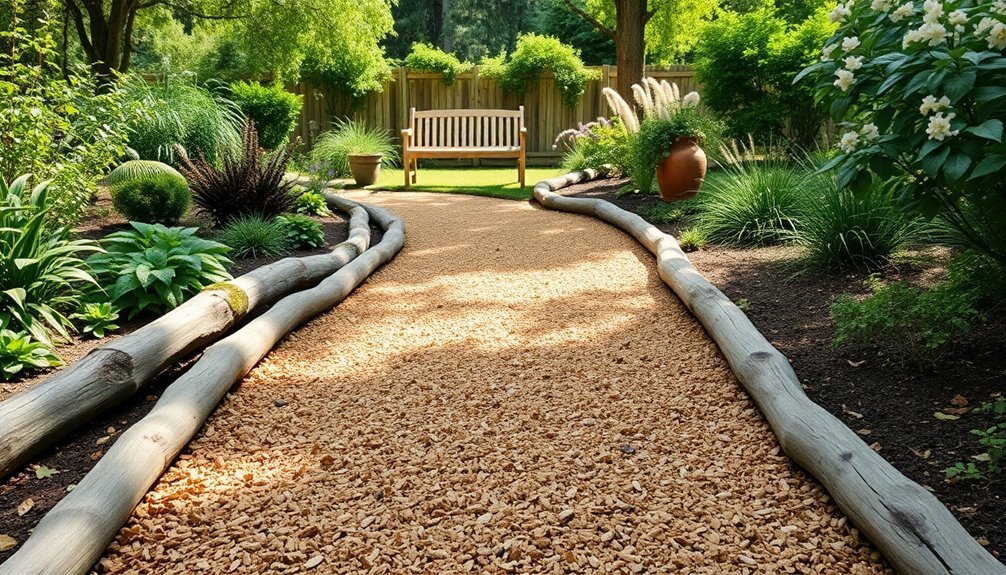
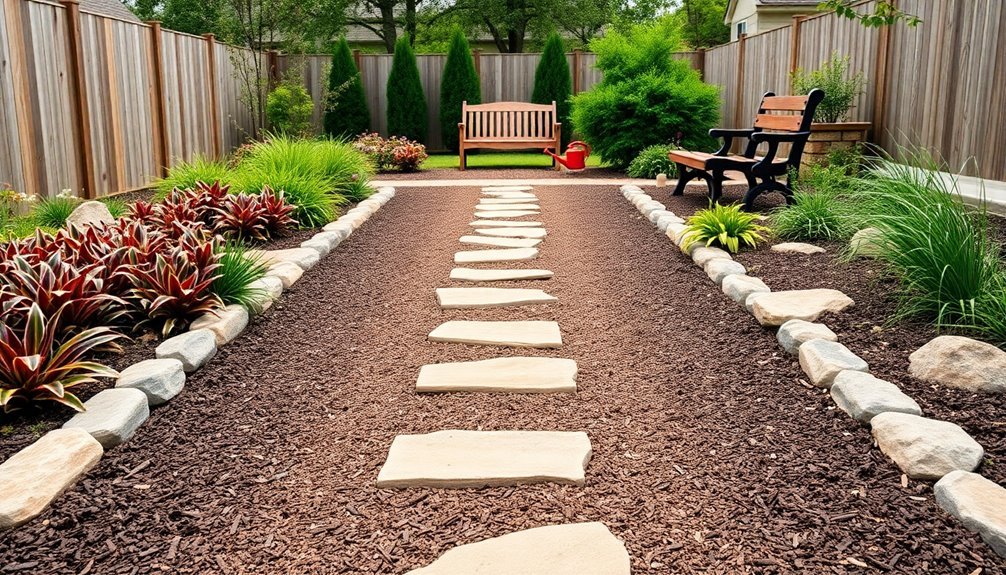
    Mulch paths bordered by logs offer a rustic, budget-friendly walkway solution that blends seamlessly into natural garden settings. The log edging provides clear definition while keeping mulch contained, and the soft walking surface feels comfortable underfoot. Wood chips or shredded bark create a permeable path that allows water drainage and suppresses weeds naturally. This organic combination requires periodic mulch replenishment but remains one of the easiest pathways to install and maintain in informal garden designs.

    Slate Tiles for an Elegant Finish

    elegant durable slate tiles

    Slate tiles bring sophistication to garden pathways with their naturally elegant appearance and durability. Available in various shades of gray, blue, and green, these flat stones create a refined walking surface that complements both formal and contemporary garden designs. Their smooth texture provides stable footing, while the stone’s natural variations add visual interest. Slate resists weather damage and requires minimal maintenance, though proper installation with adequate base preparation guarantees longevity and prevents shifting over time.

    Steppable Herb Pathway

    fragrant herbs between stones

    A steppable herb pathway combines function with sensory appeal by planting low-growing, fragrant herbs between stepping stones or pavers. Thyme, chamomile, and corsican mint work well as they tolerate foot traffic and release pleasant aromas when walked upon. These herbs fill gaps naturally, reducing weed growth while creating a soft, living carpet. This approach suits cottage gardens and informal landscapes, though herbs need adequate sunlight and occasional watering to thrive between stones.

    Crushed Seashell Coastal Walk

    charming coastal inspired walkway

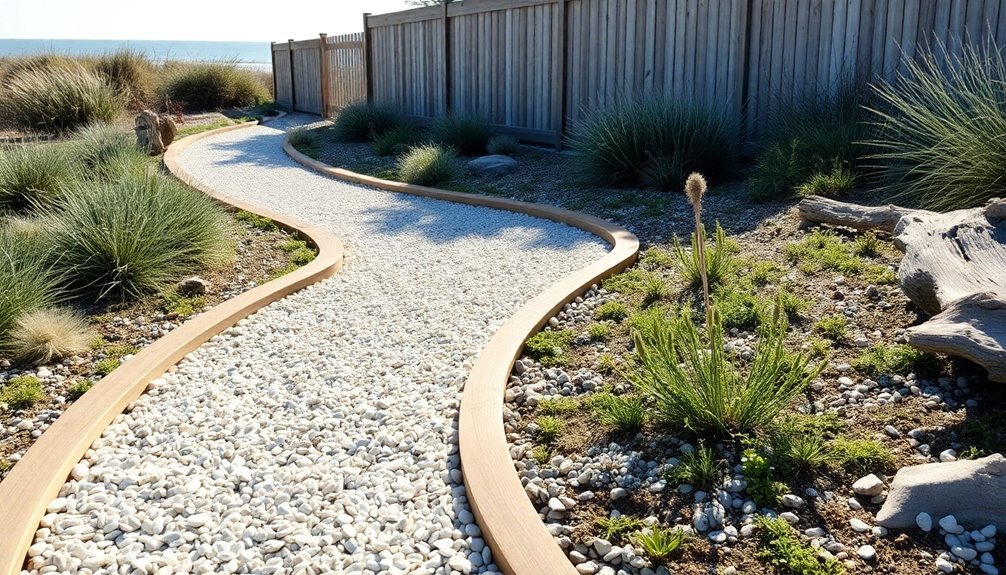
    Crushed seashells create a charming coastal-inspired walkway that works especially well in beach properties or seaside gardens. The shells provide excellent drainage and reflect sunlight, which can benefit nearby plants. They create a pleasant crunching sound underfoot and naturally complement coastal landscaping. The pathway requires edging to keep shells contained and may need occasional replenishing as pieces break down. This option offers a casual, relaxed aesthetic while being relatively affordable and easy to install.

    Hexagonal Concrete Molds With Grass

    modern geometric garden pathways

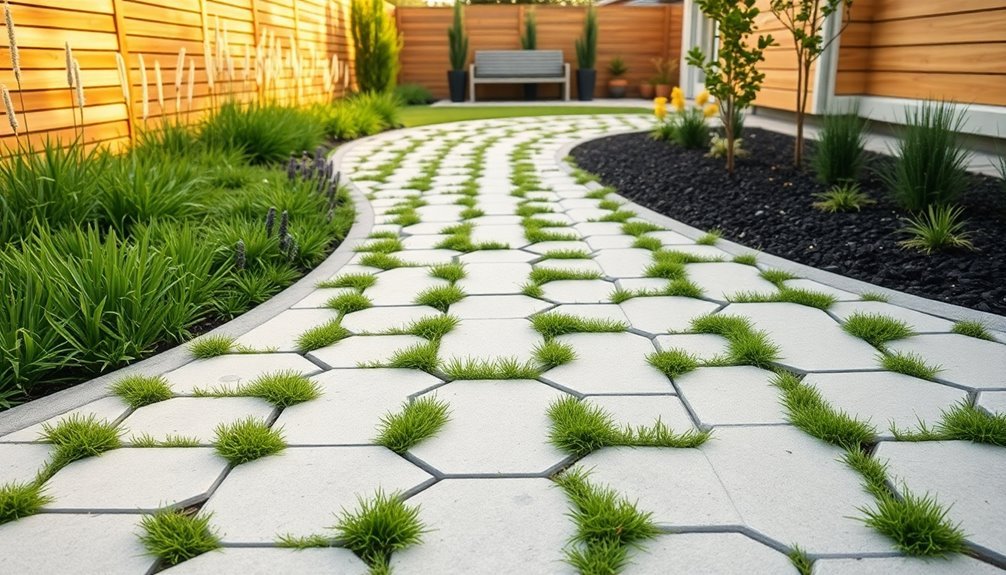
    Hexagonal concrete molds create a modern geometric pattern that adds visual interest to garden pathways. These interlocking pavers can be arranged with grass growing between them, softening the hardscape while maintaining clear stepping surfaces. The design works well for both contemporary and traditional gardens, offering flexibility in layout patterns. Installation is straightforward as molds can be purchased affordably and filled on-site. The grass-filled gaps provide natural drainage and reduce heat absorption compared to solid concrete paths.

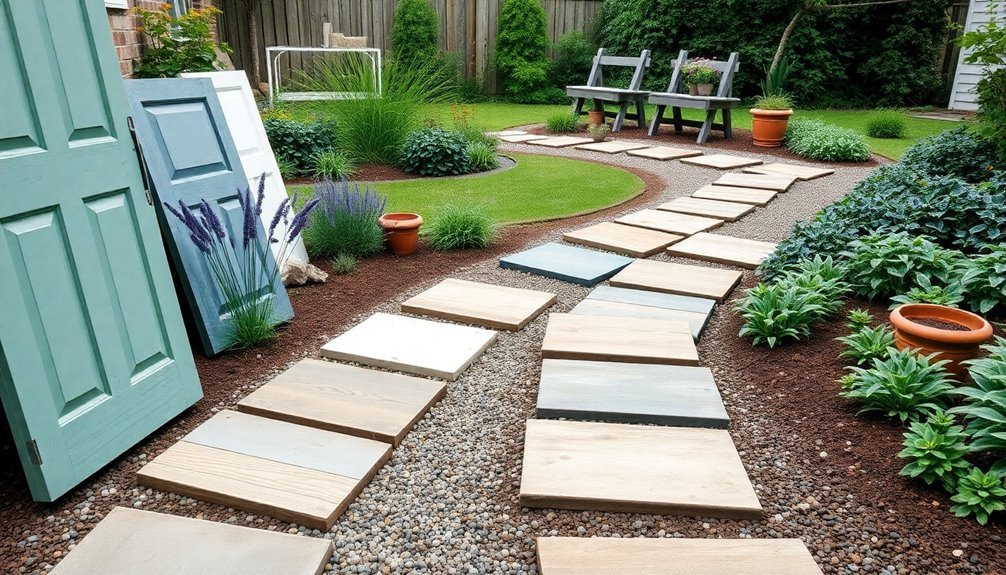
    Salvaged Door Stepping Stones

    upcycled doors for pathways

    Salvaged doors offer an unexpected and characterful solution for garden stepping stones. Cut into sections or used as whole panels laid flat, old doors bring rustic charm and architectural interest to pathways. Wood doors work best when treated with weatherproof sealant to extend their lifespan outdoors. This upcycling approach gives new purpose to materials that might otherwise end up in landfills. The varied textures, colors, and panel designs create a unique pathway that serves as a conversation piece while being budget-friendly.

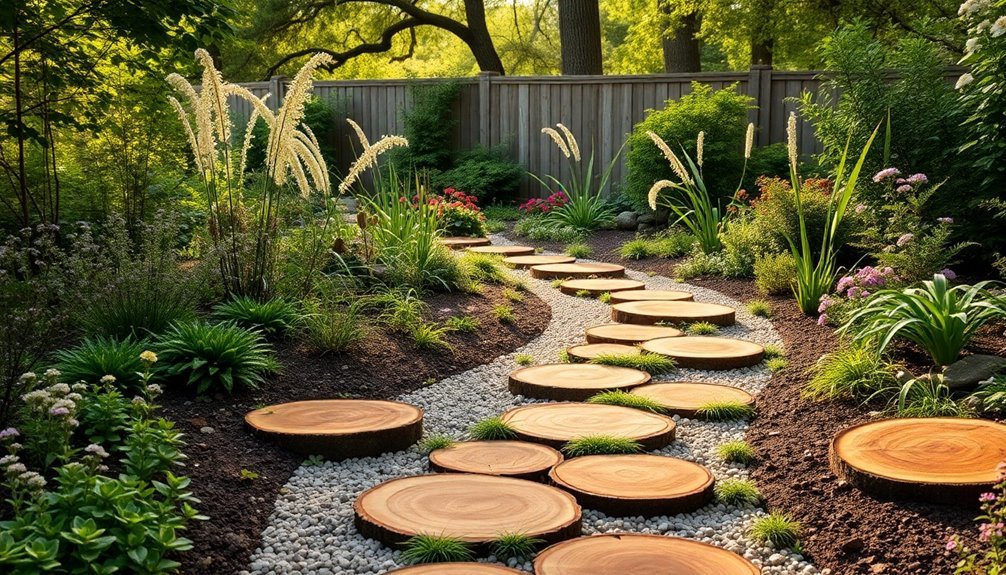
    Circular Tree Slice Rounds

    natural garden pathway aesthetics

    Circular tree slice rounds create a natural, woodland aesthetic for garden pathways. These thick cross-sections of tree trunks offer organic beauty with their exposed growth rings and varying diameters. When installed directly into soil or gravel, they provide stable stepping stones that blend seamlessly with surrounding greenery. Treating the wood with exterior sealant helps prevent rot and extends durability. This option works particularly well in informal cottage gardens or naturalized landscapes where an earthy, unpretentious look is desired.

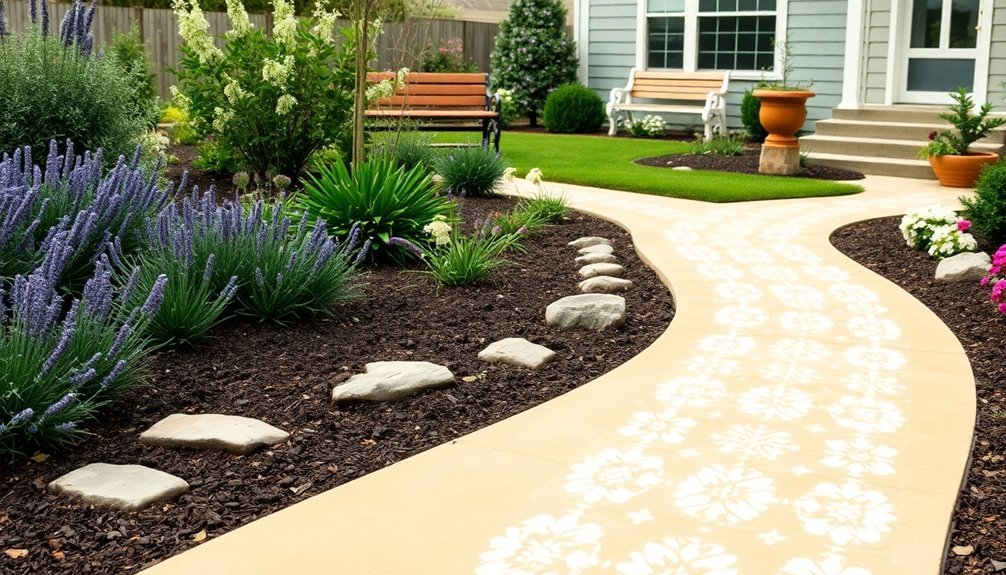
    Painted Concrete With Stenciled Designs

    stenciled painted concrete pathways

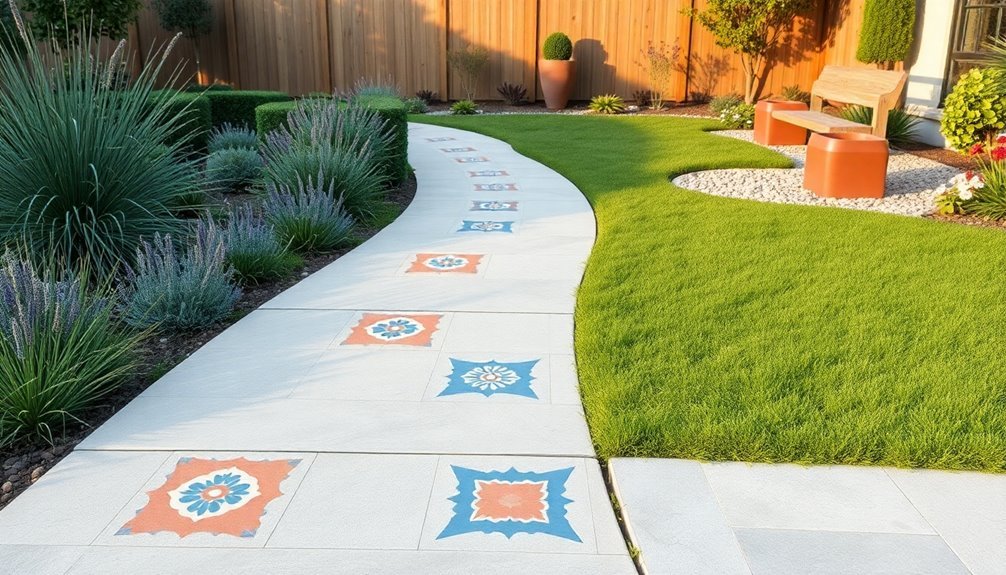
    Painted concrete with stenciled designs transforms plain pathways into personalized artistic statements. This budget-friendly approach allows you to mimic the appearance of expensive materials like tile or stone through carefully applied patterns and colors. Concrete stencils come in geometric, floral, and traditional motifs that can complement any garden style. The surface accepts exterior paint readily and can be sealed for weather protection. This technique works especially well for updating existing concrete walkways or creating custom looks that coordinate with your home’s exterior.

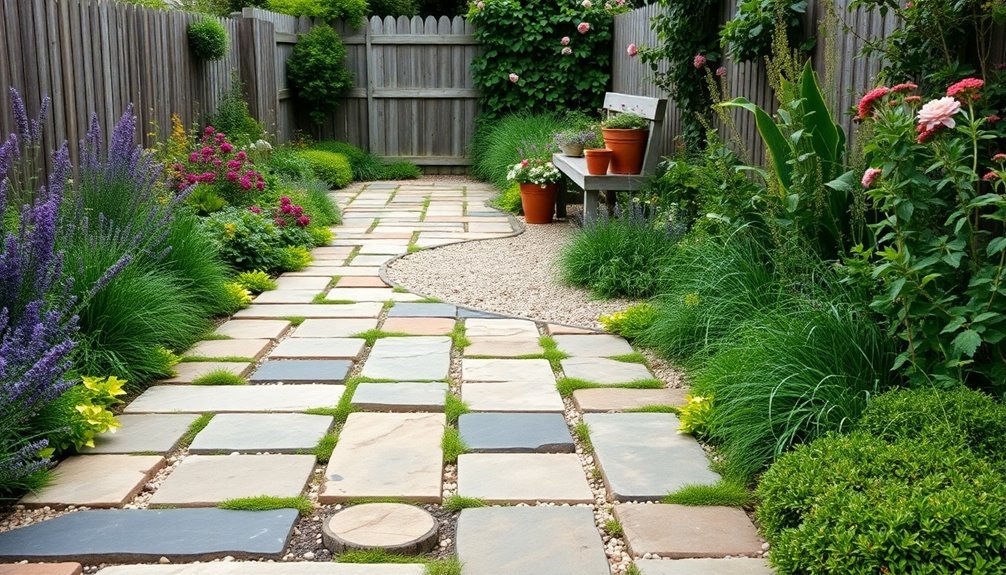
    Mixed Material Patchwork Path

    eclectic walkway design elements

    Mixed material patchwork paths combine different hardscaping elements like flagstone, brick, gravel, and wood rounds to create visually interesting walkways with distinct character. This approach lets you use leftover materials from other projects while achieving a cottage garden aesthetic. The varied textures and colors add depth to your landscape design. You can arrange materials in random patterns or organized sections, filling gaps with ground covers or small stones for a cohesive finished look.

    Grass Pathway With Border Plantings

    grass pathways with borders

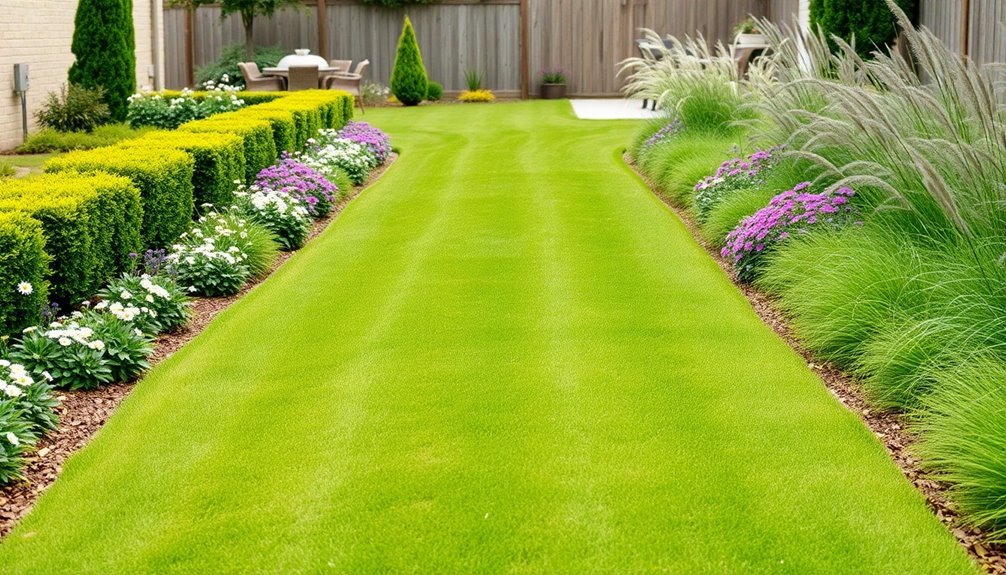
    Grass pathways offer a soft, natural alternative to hard surfaces and blend seamlessly into your garden landscape. Simply mow a defined route through your lawn or establish a grass strip between planted beds. Border the edges with perennials, ornamental grasses, or low hedges to clearly define the walking area and prevent the path from disappearing into surrounding turf. This low-cost option works best in areas with moderate foot traffic and proper drainage.

    Rubber Mulch for Cushioned Comfort

    cushioned rubber mulch benefits

    Rubber mulch provides a springy, comfortable surface that’s easy on joints and reduces impact from falls. Made from recycled tires, it’s available in various natural colors and won’t decompose like organic mulch. Install it over landscape fabric to prevent weed growth, laying it 2-3 inches deep for ideal cushioning. This option works well for high-traffic areas and family gardens, though it may retain heat in full sun and costs more upfront than traditional mulch.

    Penny Round Mosaic Embedded in Concrete

    penny round mosaic tiles

    Penny round mosaic tiles create an eye-catching pattern when embedded into concrete walkways. These small circular tiles, typically measuring one to two inches in diameter, add texture and visual interest while maintaining a smooth walking surface. The tiles come in ceramic, porcelain, or glass varieties in numerous colors. Install them by pressing into fresh concrete or using thin-set mortar, then seal the surface to protect against moisture and staining for long-lasting beauty.

    Railway Sleeper Timber Steps

    rustic timber garden steps

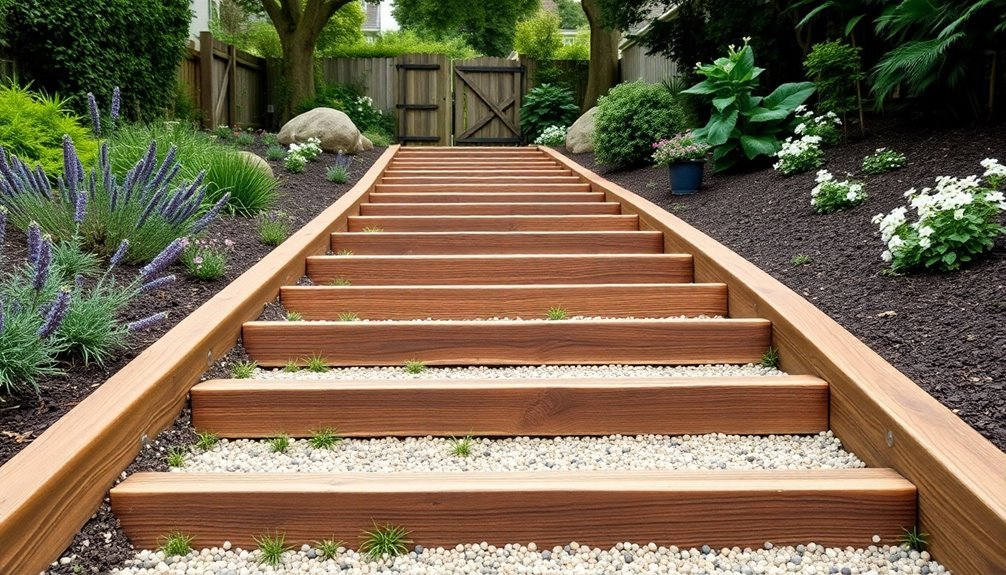
    Railway sleeper timber steps provide a rustic, sturdy solution for sloped garden pathways. These thick wooden beams, originally used for railroad tracks, create natural-looking stairs that blend seamlessly with outdoor landscapes. Modern landscape suppliers offer new or reclaimed sleepers treated for ground contact and weather resistance. Stack them horizontally to form risers, securing with rebar or stakes driven through pre-drilled holes. Fill treads with gravel, mulch, or compact soil for stable footing. Their substantial size makes installation straightforward while delivering a charming, cottage-garden aesthetic.

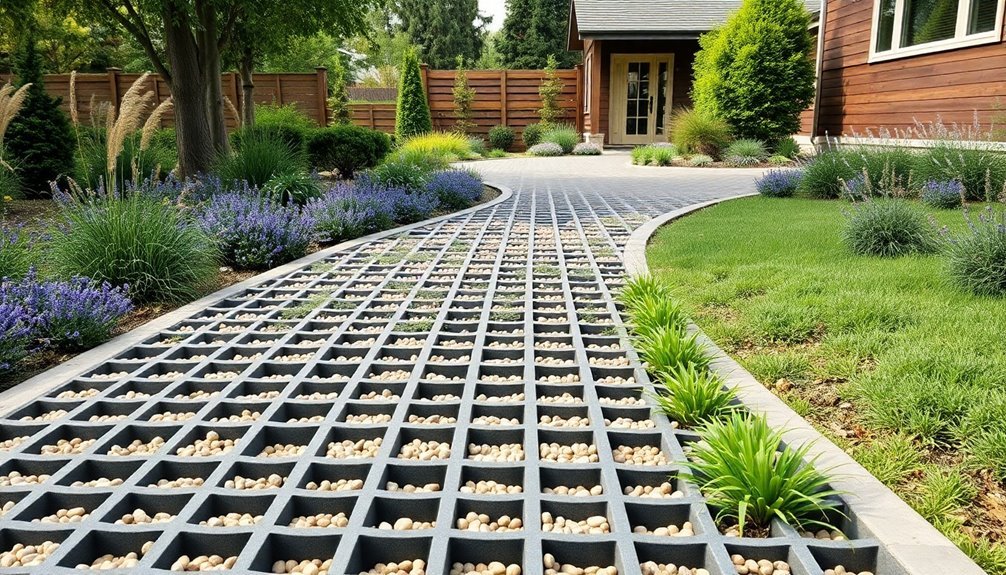
    Permeable Paver Grid System

    eco friendly drainage solution system

    Permeable paver grid systems balance functionality with environmental responsibility for garden walkways. These interlocking plastic or concrete grids create a stable surface while allowing rainwater to drain naturally into the soil below. Fill the grid cells with gravel, grass, or groundcover plants to match your garden style. The system reduces runoff, prevents puddles, and supports healthy soil drainage. Installation involves leveling the base, laying the grids, and filling compartments. They work particularly well for driveways, parking areas, or high-traffic garden paths where drainage matters.

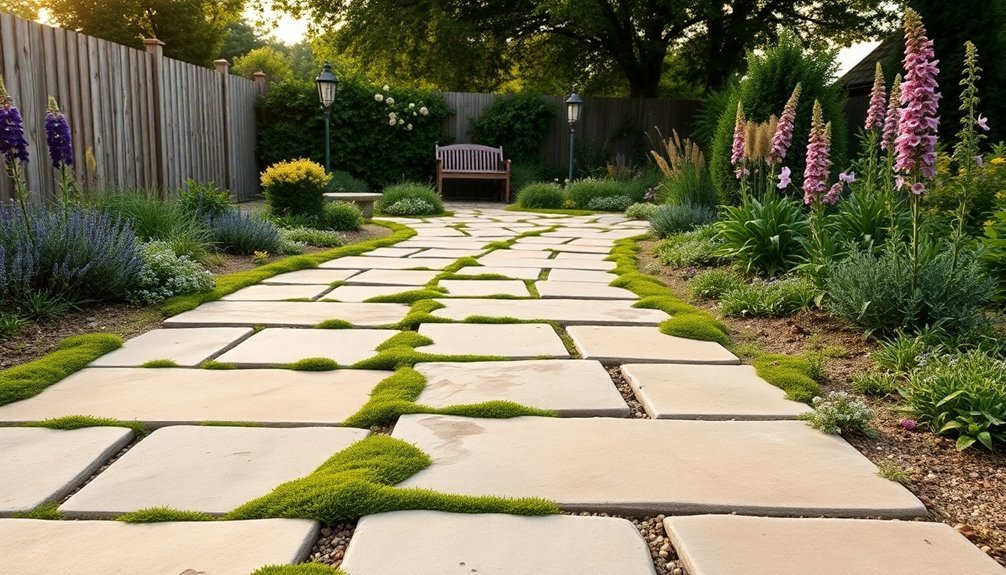
    Sandstone Slabs With Wide Joints

    wide joint sandstone pathways

    Sandstone slabs with wide joints create a relaxed, organic feel for garden walkways. Space these natural stone pieces several inches apart and fill the gaps with moss, creeping thyme, or fine gravel for visual interest. The wider spacing softens the path’s appearance and allows for better drainage than traditional tight-fitted pavers. This design works well in cottage gardens and informal landscapes. Choose slabs with irregular edges for a more natural look, or select cut pieces for cleaner lines while maintaining the airy spacing.

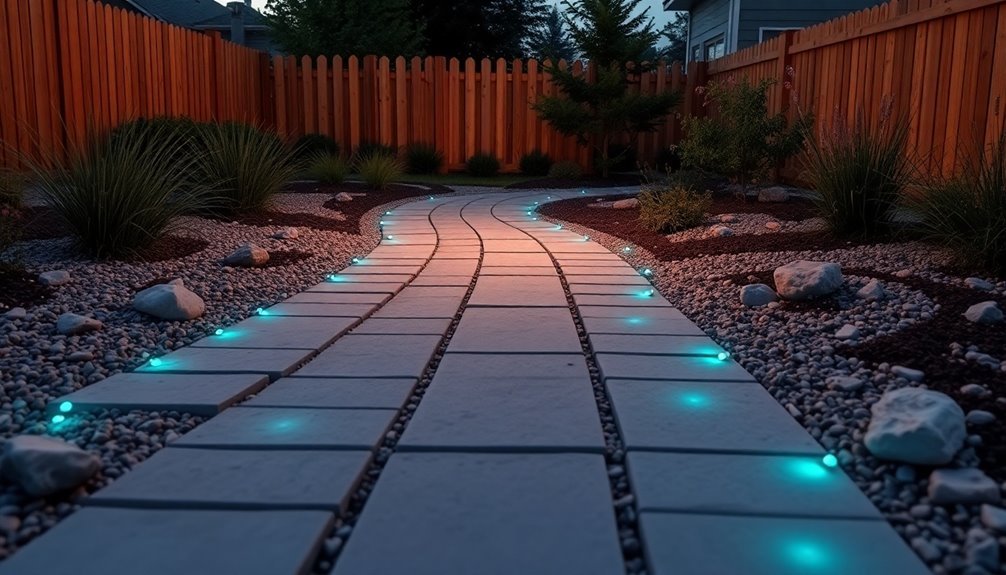
    Glow-in-the-Dark Stone Accents

    enchanting nighttime garden illumination

    Glow-in-the-dark stone accents add enchanting nighttime visibility to garden paths without electricity. These photoluminescent materials absorb sunlight during the day and emit a soft glow after dark, creating a subtle lighting effect for several hours. Mix glowing pebbles between regular pavers, line pathway edges with luminous stones, or use them to highlight steps and curves. The effect works best in areas that receive direct sunlight and provides just enough illumination for safe navigation while maintaining your garden’s nighttime ambiance.

    Repurposed Pallet Wood Sections

    repurposed pallet garden walkways

    Repurposed pallet wood sections offer an affordable, rustic option for creating garden walkways with character. Cut pallets into manageable pieces and treat the wood with weatherproof sealant to extend its lifespan outdoors. Lay sections directly on level ground or set them in gravel for better drainage and stability. This approach works particularly well for informal garden areas and vegetable patches, providing a natural aesthetic that weathers beautifully over time while keeping your feet dry and mud-free.

    Cobblestone European-Style Lane

    timeless cobblestone garden pathways

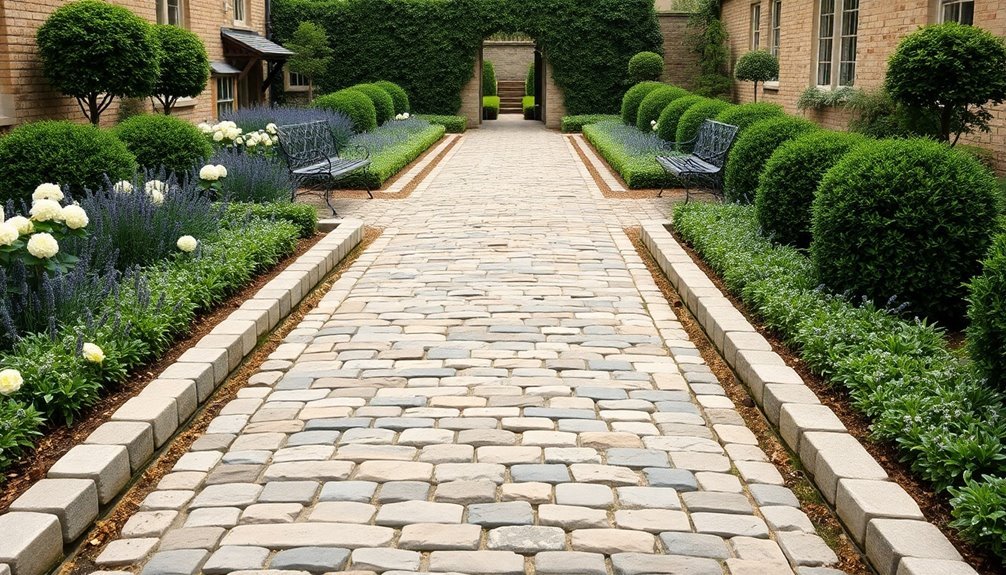
    Cobblestone European-style lanes bring timeless elegance to garden pathways through their naturally varied textures and earth-toned colors. These rounded stones fit together like a puzzle, creating durable surfaces that improve with age. Installation requires a solid sand base and careful placement to guarantee stability and proper drainage. While more labor-intensive than other options, cobblestone walkways add significant visual appeal and can last for generations with minimal maintenance, making them ideal for formal garden settings.

    Decorative Tile and Cement Fusion

    artistic durable garden pathways

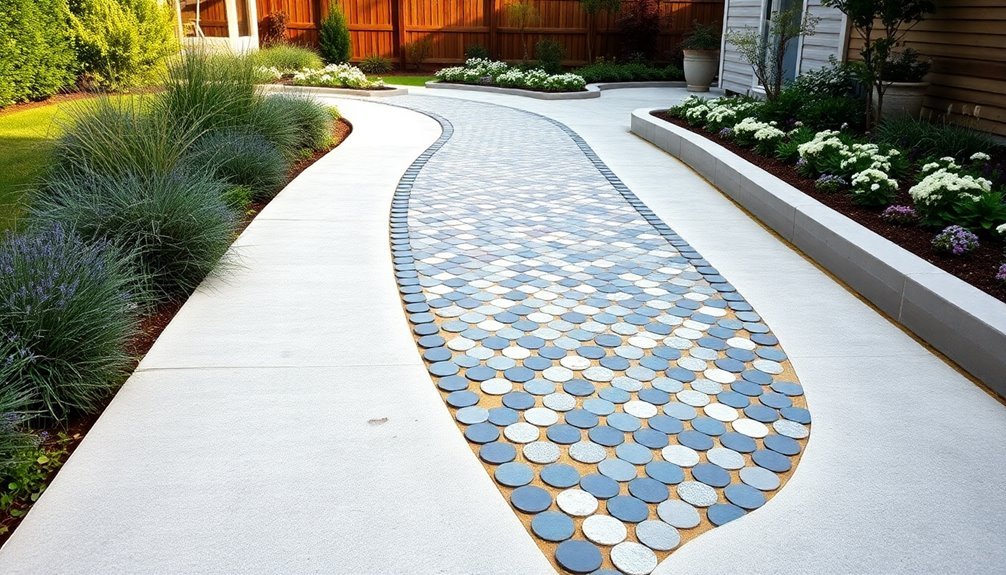
    Decorative tile and cement fusion combines artistic flair with practical durability for garden walkways. This versatile approach allows you to mix colorful patterned tiles with smooth cement sections, creating custom designs that reflect your personal style. The cement provides structural support while tiles add visual interest through contrasting colors and textures. This method works well for both curved and straight paths, offering easy installation and maintenance. The combination resists weather damage and provides a stable walking surface that enhances any garden aesthetic.

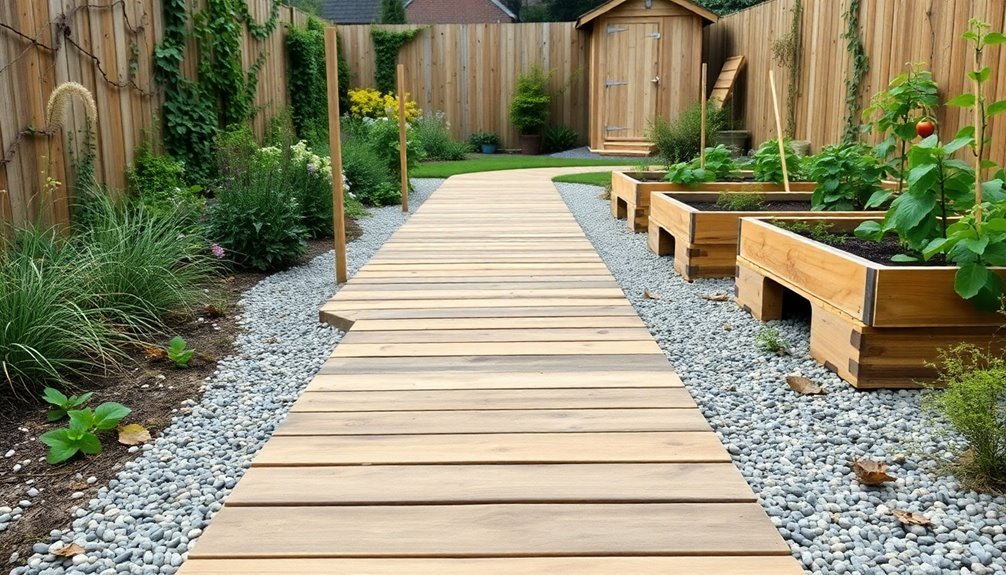
    Boardwalk-Style Elevated Planks

    coastal charm elevated pathways

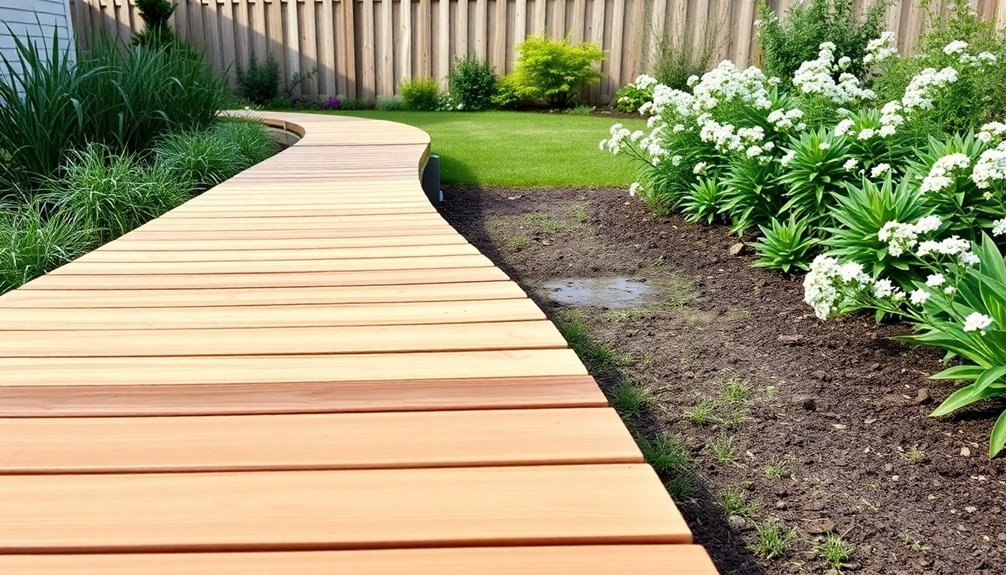
    Boardwalk-style elevated planks bring a coastal charm to garden pathways while keeping your feet dry and comfortable. These raised wooden platforms sit above ground level, protecting the walkway from mud and moisture while allowing air circulation underneath. The design works particularly well in damp areas or gardens with drainage issues. Cedar or treated lumber provides longevity, and the natural wood texture complements surrounding greenery. The elevated structure also helps prevent weed growth beneath the pathway.

    Volcanic Rock and Lava Stone Path

    lava stone garden pathways

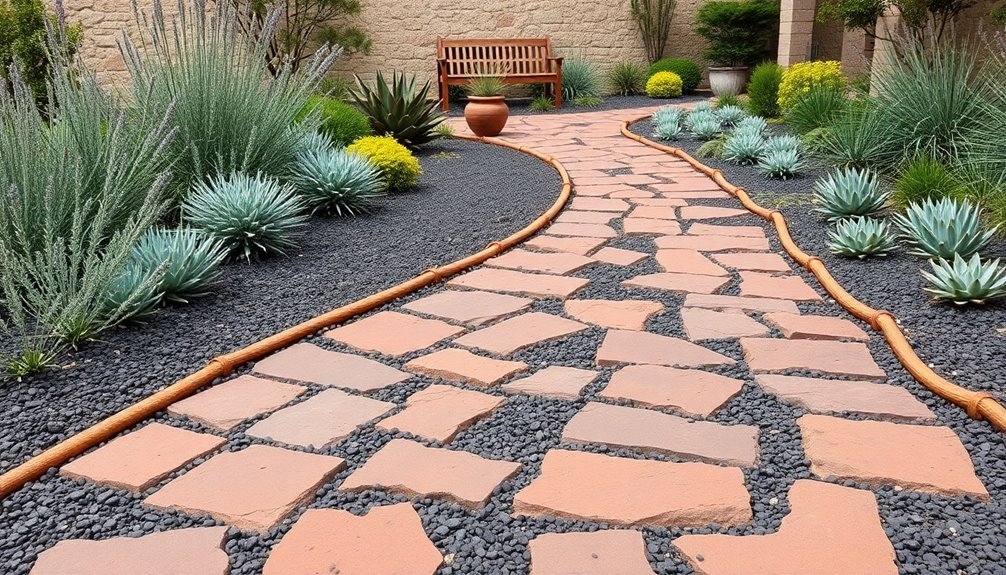
    Volcanic rock and lava stone paths create striking garden walkways with their distinctive reddish-brown and black hues. These porous stones provide excellent drainage and prevent water pooling on the pathway. The rough texture offers natural slip resistance, making them practical for wet conditions. Lava stones retain heat during the day and release it slowly, which can benefit nearby plants. Their irregular shapes and earthy colors add a dramatic, natural aesthetic that works especially well in xeriscaped or Mediterranean-style gardens.

    Conclusion

    You’ve got plenty of walkway styles to choose from now. Pick the design that matches your garden’s vibe and your budget. Start with one simple path and see how it transforms your outdoor space. You’ll create better flow between garden areas plus boost your home’s curb appeal. Don’t wait for the perfect moment—grab your materials this weekend and let’s build something beautiful together.

  • 30 Boho Balcony Garden Ideas to Create a Flourishing Space

    You can turn your balcony into a boho paradise that feels like a secret garden escape. It’s easier than you think, plus you don’t need a huge budget to make it happen. Let’s explore simple ways to add personality with macramé hangers, cozy seating, and vintage finds that bring charm to your space. These ideas work for any balcony size and create that relaxed vibe you’re after. Ready to see how small changes make a big impact?

    Macramé Plant Hangers for Vertical Garden Layers

    vertical boho plant display

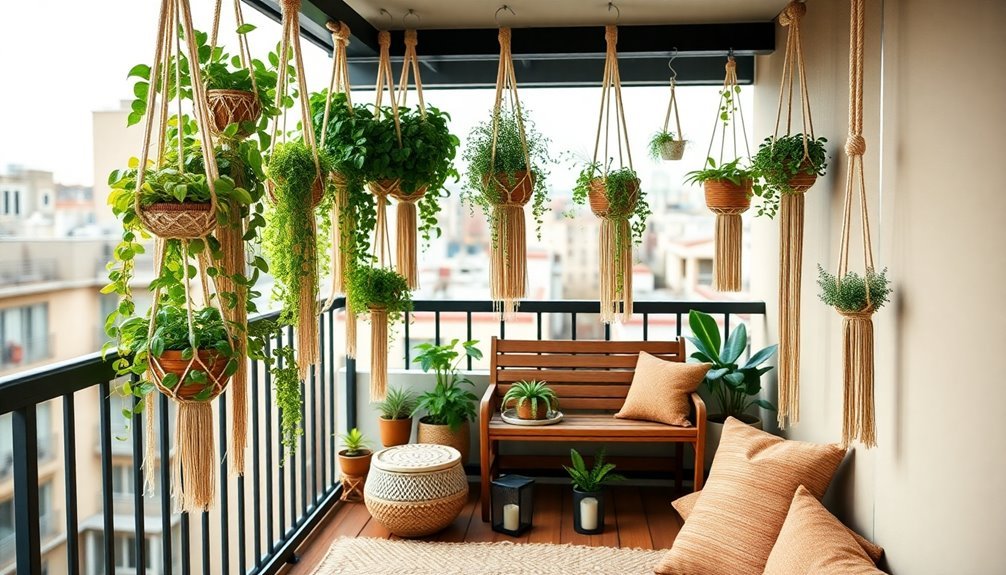
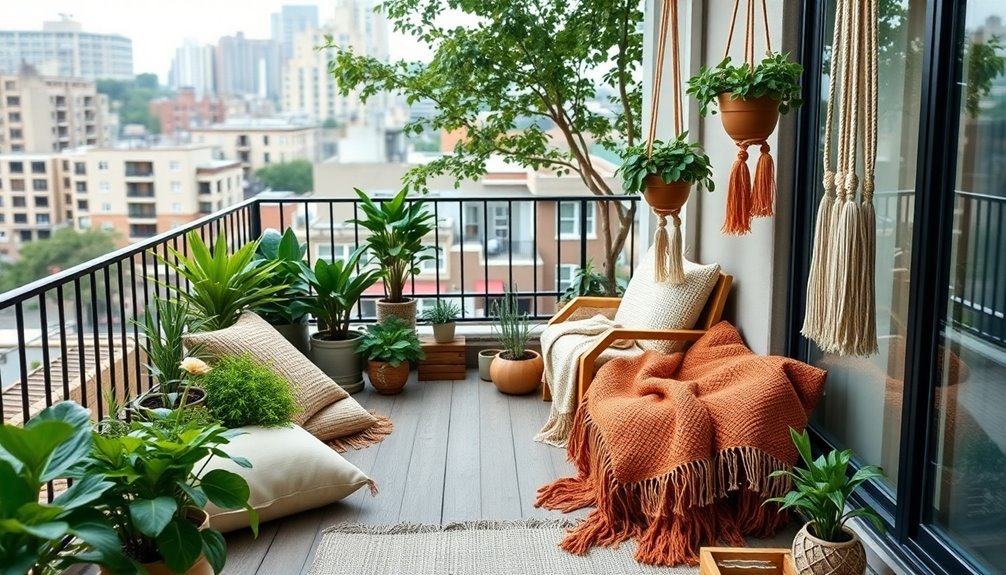
    Macramé plant hangers bring texture and vertical interest to your boho balcony while maximizing limited space. These handwoven holders work beautifully at different heights, creating layers that draw the eye upward. Choose natural cotton or jute in cream or earthy tones to maintain the bohemian aesthetic. Mix hanging lengths to display trailing plants like pothos or string of pearls, and position them near railings or overhead hooks to build a lush, dimensional garden without taking up floor space.

    Rattan Furniture With Colorful Cushions

    bohemian rattan furniture cushions

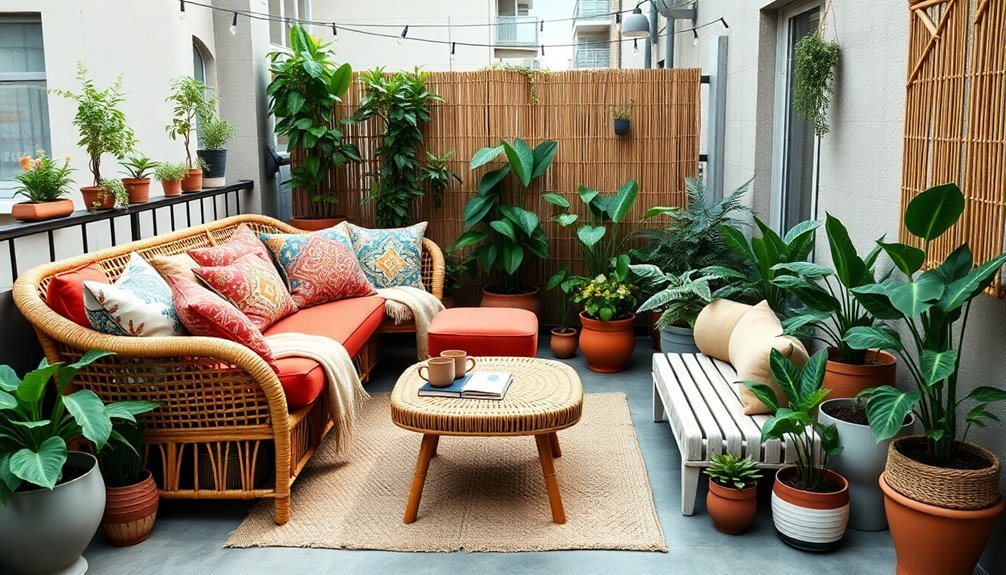
    Rattan furniture forms the perfect foundation for a boho balcony, offering natural texture and relaxed comfort. Select pieces like chairs, benches, or small tables in warm honey or whitewashed finishes. Layer them with cushions in vibrant patterns, mixing geometric prints with florals or ethnic-inspired designs. Don’t be afraid to combine colors like terracotta, mustard, deep teal, and coral. The contrast between neutral rattan and bold textiles creates that signature bohemian look while providing a cozy spot to enjoy your garden sanctuary.

    Mixed Terracotta Pots in Various Sizes

    Create visual interest by grouping terracotta pots in different heights and widths throughout your balcony. The earthy, natural tones of terracotta perfectly complement the boho aesthetic while providing excellent drainage for your plants. Cluster three to five pots together, varying from small succulents to larger statement plants. Consider leaving some pots unglazed for a rustic feel, while adding a few with simple painted patterns or whitewashed finishes. This layered approach adds depth and creates an organic, collected-over-time appearance that defines bohemian style.

    Hanging String Lights for Ambient Evening Glow

    Transform your balcony into a magical retreat with warm string lights draped overhead or along railings. Choose Edison bulbs for a vintage vibe or delicate fairy lights for a softer ambiance. The gentle glow creates an inviting atmosphere perfect for evening relaxation and entertaining. Install them in loose, organic patterns rather than rigid lines to maintain that relaxed boho feel. Solar-powered options work well for sustainable lighting, while dimmable varieties let you adjust the mood throughout the night.

    Vintage Wooden Crates as Plant Stands

    Repurpose vintage wooden crates to add rustic charm while displaying your plant collection at varying heights. Stack them horizontally or vertically to create interesting visual layers, or use them individually for a more scattered arrangement. The weathered wood texture perfectly complements the boho aesthetic while providing practical storage underneath for gardening supplies. Look for sturdy crates at flea markets or antique shops, and consider leaving them natural or applying a light stain to enhance the grain.

    Floor Cushions and Poufs for Low Seating

    Floor cushions and poufs create an inviting, relaxed seating area perfect for the boho style. Choose pieces in natural fabrics like cotton, jute, or woven textiles with ethnic patterns or earth tones. These low-to-the-ground options encourage a casual atmosphere where you can comfortably sit among your plants. They’re also portable, allowing you to rearrange your space easily or tuck them away when you need more room on your balcony.

    Patterned Outdoor Rugs to Define Spaces

    Patterned outdoor rugs anchor your balcony garden and add visual warmth to the space. Look for designs with geometric prints, tribal motifs, or faded vintage patterns in warm, earthy colors that complement your plants. These rugs help define different zones on your balcony, like separating a seating area from your plant displays. Choose weather-resistant materials that can handle sun exposure and occasional moisture while maintaining their bohemian appeal throughout the seasons.

    Bamboo Privacy Screens With Climbing Vines

    bamboo screens with vines

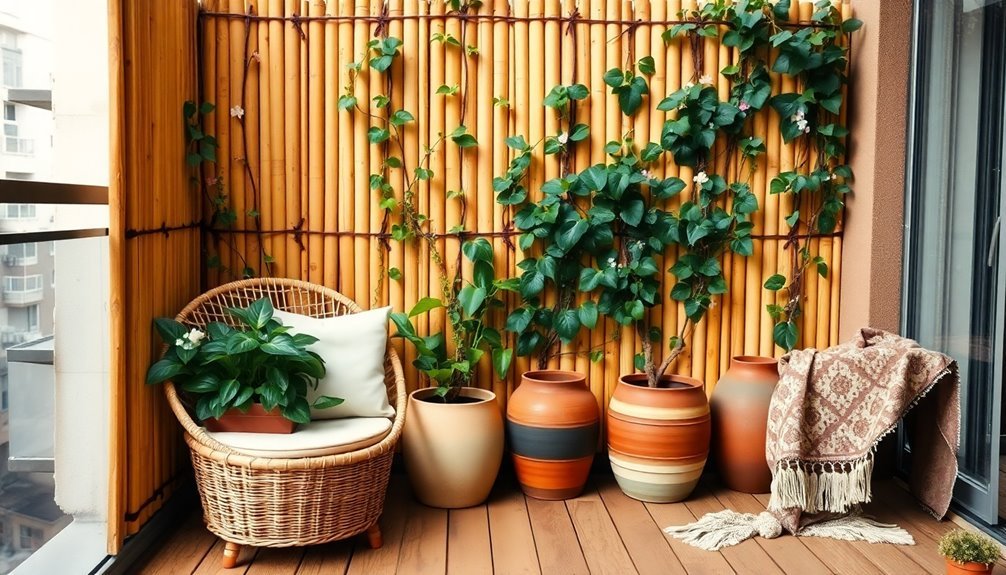
    Bamboo privacy screens bring natural texture to your balcony while supporting climbing plants like jasmine, morning glories, or ivy. The combination creates a living wall that blocks unwanted views and adds vertical interest to your garden. Bamboo’s neutral tones work beautifully with bohemian aesthetics, and as vines grow through the slats, they soften the structure with greenery and blooms. This pairing offers both function and beauty without requiring permanent installation.

    Repurposed Ladder as a Tiered Plant Display

    repurposed ladder plant display

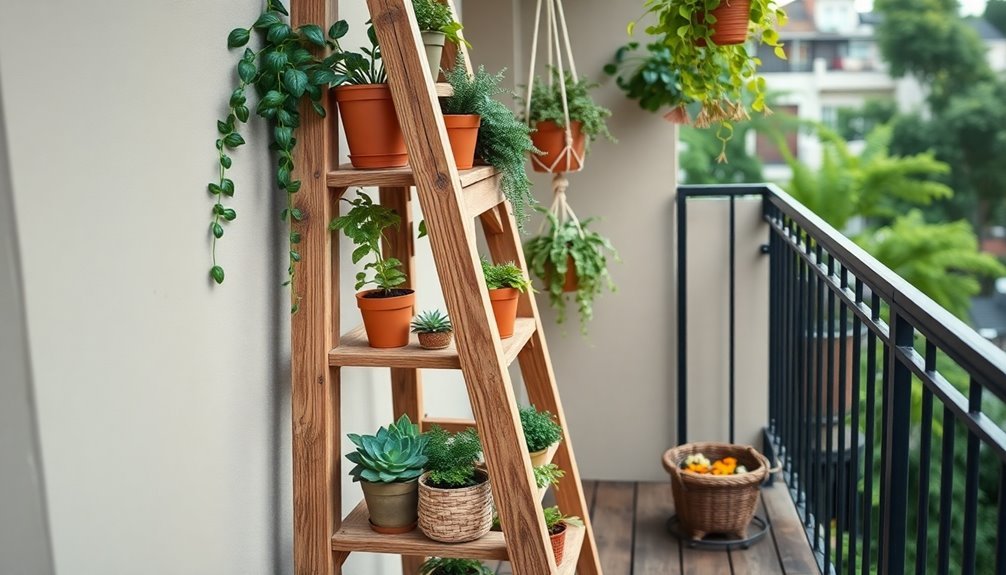
    An old wooden ladder transforms into a charming tiered plant display that adds vertical dimension to your balcony garden. Simply lean the ladder against a wall and place potted plants on each rung, mixing heights and textures for visual interest. This repurposed piece fits perfectly with boho style while keeping floor space open. Paint it in a weathered finish or leave it natural for an authentic vintage look that showcases your plant collection at varying eye levels.

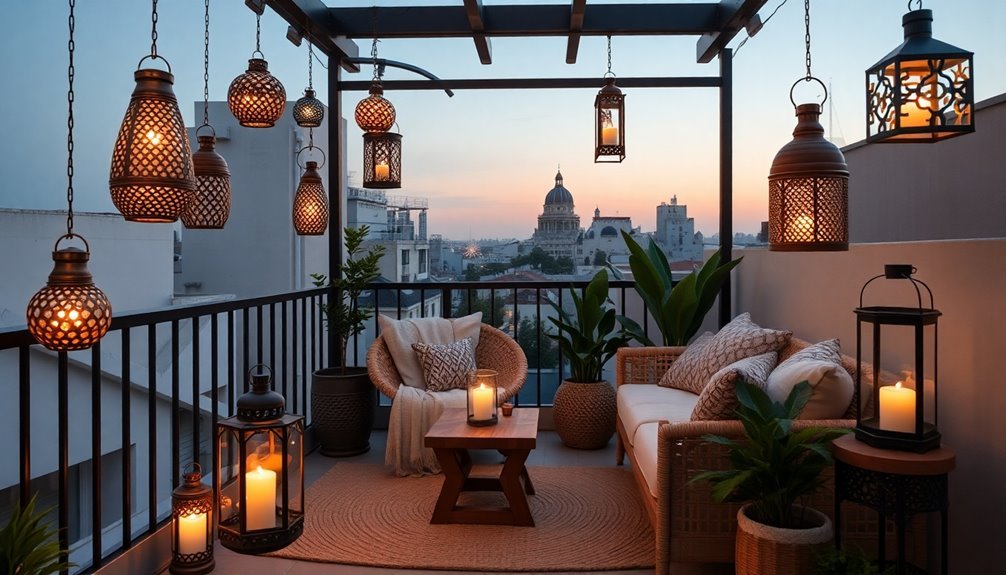
    Moroccan Lanterns for Boho Lighting

    enchanting ambient boho lighting

    Moroccan lanterns bring warm, ambient lighting to your boho balcony while creating enchanting patterns through their intricate metalwork. Hang them at different heights or place them on side tables to establish cozy evening atmospheres. Choose brass, copper, or painted finishes that complement your color scheme. Battery-operated LED candles offer a safe alternative to real flames, letting you enjoy the flickering glow without worry. These decorative pieces double as stunning daytime accents even when unlit.

    Woven Baskets for Plant Pot Covers

    Woven baskets add instant boho texture while concealing plain plastic plant pots. Choose natural materials like seagrass, rattan, or jute in various sizes to create visual interest throughout your balcony. These versatile covers work beautifully as standalone pieces or grouped together for a collected look. They also provide extra insulation for plant roots during temperature changes. Select baskets with drainage considerations in mind, or use waterproof liners to protect your balcony floor from moisture damage.

    Hammock Chair or Swing Seat

    A hammock chair or swing seat creates the perfect bohemian retreat on your balcony. These suspended seating options save valuable floor space while adding visual interest and a relaxed vibe. Look for macramé designs or natural fabric options in neutral tones that complement your plant collection. Install secure ceiling hooks or sturdy overhead beams to guarantee safe mounting. Add soft cushions and a cozy throw blanket to make your floating seat even more inviting for peaceful moments surrounded by greenery.

    Painted Wooden Pallets as Garden Furniture

    Painted wooden pallets offer an affordable and sustainable way to create custom furniture for your boho balcony garden. Sand the pallets smooth, then paint them in earthy tones like sage green, terracotta, or soft cream. Stack them to form tiered plant stands, use them as low coffee tables, or attach cushions to create casual seating. The rustic texture of repurposed wood adds authentic bohemian character while keeping your garden budget-friendly and eco-conscious.

    Trailing Plants Cascading From Railings

    Trailing plants bring vertical interest and softness to your boho balcony by draping gracefully over railings. Choose cascading varieties like string of pearls, pothos, ivy, or trailing petunias that thrive in your light conditions. Mount planters directly on railings or use hanging pots positioned just above them. The downward flow of foliage creates natural privacy while adding lush, romantic layers typical of bohemian style. Mix different trailing plants at varying heights for a wild, garden-like effect that feels organic and relaxed.

    Mix of Textures With Jute and Cotton Textiles

    Layer natural textiles to enhance your boho balcony’s cozy atmosphere. Combine jute rugs with soft cotton cushions and throws to create inviting seating areas. The rough texture of jute pairs beautifully with cotton’s smooth comfort, establishing that relaxed bohemian aesthetic. Choose neutral tones or earthy patterns that complement your plants. These materials are durable enough for covered outdoor spaces while adding warmth and tactile interest that makes your balcony feel like an extension of your indoor living space.

    Antique Watering Cans as Decorative Accents

    Transform vintage watering cans into charming focal points for your boho balcony garden. Display weathered metal or copper cans on shelves, hang them from hooks, or repurpose them as planters for trailing vines and herbs. The aged patina and rustic character of antique watering cans add authentic bohemian charm while serving as conversation pieces. Group cans of varying sizes and finishes together, or scatter them throughout your space to create visual interest that bridges the gap between functional gardening tools and artful decoration.

    Colorful Glass Beads Hanging From Plants

    Add sparkle and movement to your boho balcony by threading colorful glass beads onto thin wire or fishing line and hanging them from plant branches and pot rims. Choose beads in jewel tones like amber, turquoise, and ruby red that catch the sunlight and create dancing reflections. The beads sway gently in the breeze, adding a whimsical touch while complementing your plants’ natural beauty. This simple addition brings an artistic, free-spirited element that enhances the bohemian atmosphere without overwhelming your greenery.

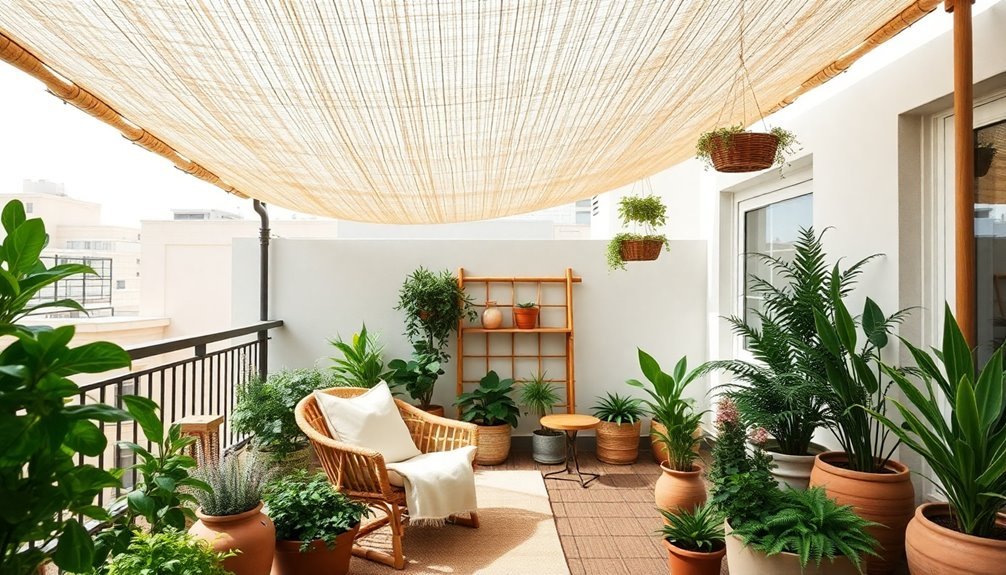
    Natural Fiber Shade Sail or Canopy

    natural fiber shade canopy

    Create comfortable shade while enhancing your boho aesthetic with a natural fiber canopy made from jute, bamboo, or woven rattan. These materials filter sunlight beautifully, casting soft, dappled shadows across your balcony space. The organic texture adds warmth and visual interest overhead, while protecting both you and your plants from harsh afternoon sun. Choose neutral tones like cream, tan, or natural beige that complement various plant colors and blend seamlessly with other bohemian decor elements throughout your outdoor retreat.

    Succulents in Geometric Ceramic Planters

    Combine modern geometry with natural beauty by displaying low-maintenance succulents in ceramic planters featuring clean lines and angular shapes. These eye-catching vessels create visual contrast against organic plant forms while requiring minimal care. Mix different sizes and heights to build dimension, choosing planters in earthy terracotta, matte white, or soft pastels that enhance the relaxed boho vibe. Succulents thrive in sunny balcony conditions and add architectural interest without demanding frequent watering or attention.

    Vintage Birdcages Repurposed as Planters

    Transform vintage birdcages into charming planters that add nostalgic character to your boho balcony. These decorative pieces work beautifully with trailing plants like string of pearls, ivy, or small ferns that cascade through the wire bars. Look for weathered metal or distressed painted cages at flea markets and thrift stores. Hang them at varying heights or place them on plant stands to create visual layers. The airy structure allows roots to breathe while adding whimsical vertical interest to your outdoor sanctuary.

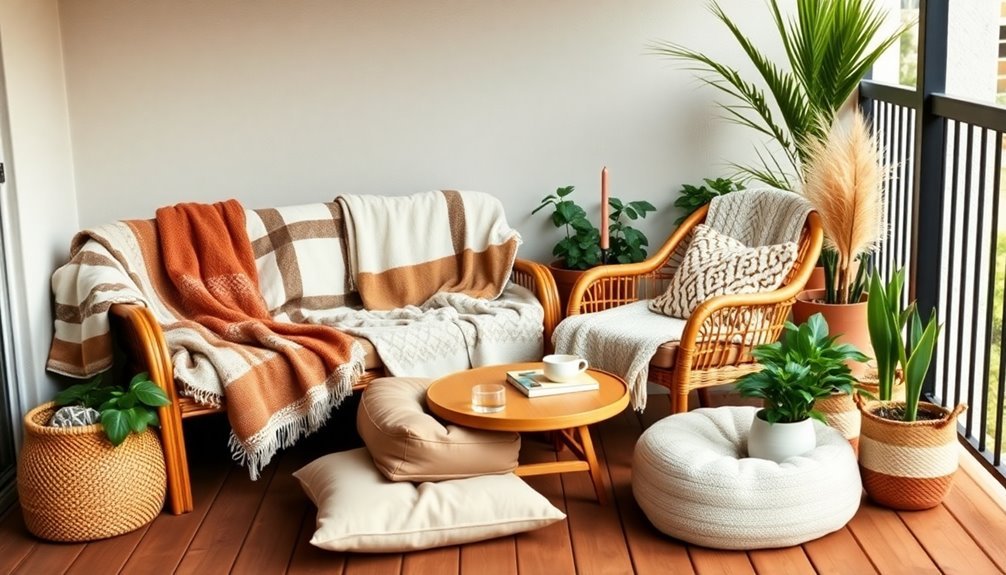
    Layered Throw Blankets for Cozy Corners

    cozy layered throw blankets

    Layer textured throw blankets across seating areas to create inviting spots for relaxation on your boho balcony. Choose natural fabrics like cotton, linen, or chunky knits in earthy tones and mixed patterns. Drape them over chairs, benches, or floor cushions for added warmth during cooler evenings. The layered look adds depth and comfort while staying true to bohemian style. Keep a basket nearby to store extras when not in use, making your space both practical and welcoming.

    Terra Cotta Wall Pockets for Herb Gardens

    Mount terra cotta wall pockets vertically to create a space-saving herb garden on your balcony. These rustic clay containers add earthy texture while keeping fresh herbs within easy reach. Choose pockets in various sizes and arrange them in an organic pattern along walls or railings. Plant basil, mint, thyme, or other kitchen herbs for both function and fragrance. The natural terracotta color complements the boho aesthetic while the vertical design maximizes your growing space without cluttering surfaces.

    Dreamcatchers and Wind Chimes

    Hang dreamcatchers and wind chimes at varying heights to add movement and gentle sound to your boho balcony. Choose pieces with natural materials like feathers, wooden beads, and macramé details that complement your garden setting. Position them where they’ll catch the breeze, creating soft melodies that enhance your outdoor relaxation space. Mix different sizes and styles to create visual interest while maintaining the free-spirited bohemian vibe throughout your balcony garden.

    Eclectic Mix of Ferns and Tropical Plants

    Layer various ferns and tropical plants to create a lush, jungle-inspired corner on your boho balcony. Combine Boston ferns, bird’s nest ferns, and pothos with broader-leafed tropicals like monstera or elephant ears for textural contrast. Group them in mismatched vintage containers, woven baskets, and ceramic pots at different heights. This diverse plant collection thrives in partial shade and adds that relaxed, organic feel essential to bohemian garden design while purifying your outdoor air.

    Painted Mason Jars as Tea Light Holders

    Transform ordinary mason jars into charming tea light holders by painting them in warm boho colors like terracotta, dusty rose, or sage green. Apply frosted glass paint for a soft, diffused glow or create geometric patterns with painter’s tape for added visual interest. Arrange these painted jars along your balcony railing or cluster them on a side table to create ambient lighting for evening relaxation. The handmade quality perfectly complements the bohemian aesthetic while adding cozy warmth to your outdoor space.

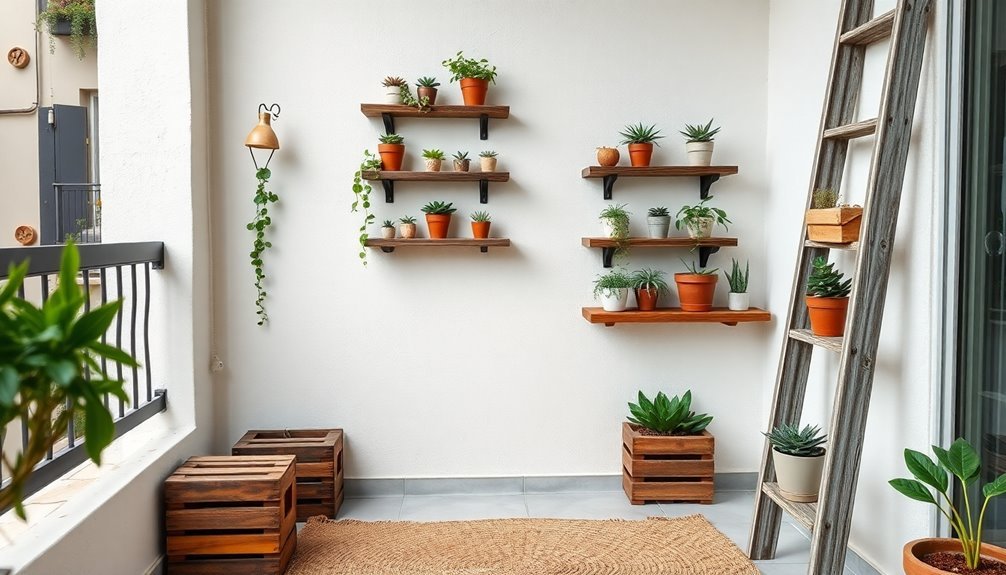
    Weathered Wood Shelving for Plant Display

    rustic wood plant display

    Weathered wood shelving brings rustic charm and vertical growing space to your boho balcony. Look for reclaimed wooden crates, salvaged planks, or vintage ladder shelves that show natural aging and texture. Mount floating shelves at varying heights to create visual interest, or lean a weathered ladder against the wall for an effortless display. The worn patina and organic imperfections of aged wood provide the perfect backdrop for trailing plants, succulents, and small potted herbs while maximizing your limited floor space.

    Fringe and Tassel Details on Textiles

    fringe and tassel textiles

    Fringe and tassel details add movement and softness to your boho balcony garden. Incorporate these playful embellishments through outdoor cushions, throw blankets, or macramé plant hangers with long tasseled ends. Choose textiles in natural fibers like cotton or jute that can withstand outdoor conditions. Layer different lengths of fringe on curtains or shade panels to create gentle motion with the breeze, adding a relaxed, carefree atmosphere to your outdoor sanctuary.

    Galvanized Metal Buckets as Rustic Planters

    rustic galvanized metal planters

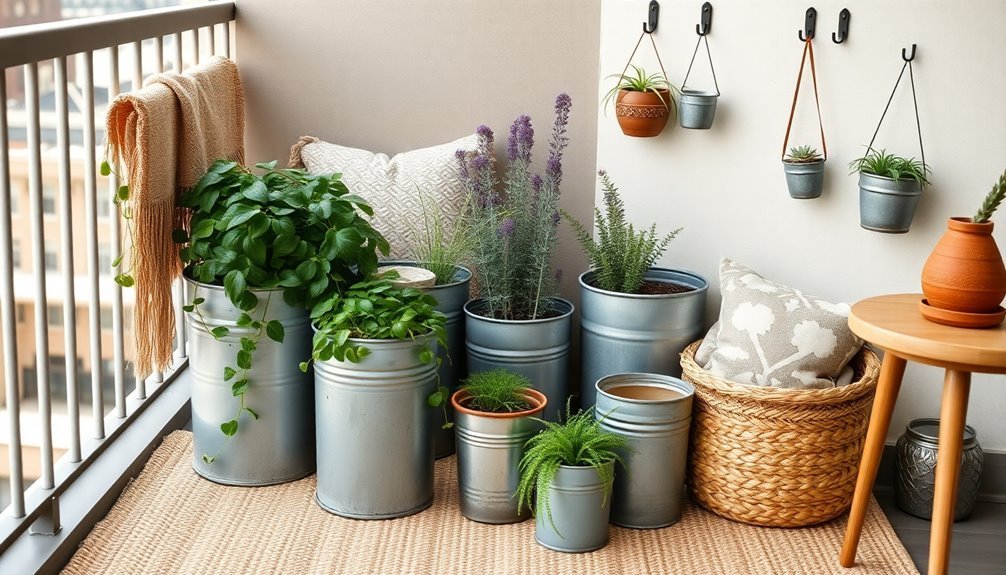
    Galvanized metal buckets bring rustic charm and industrial edge to your boho balcony garden. These weathered planters develop a natural patina over time, adding character to your space. Use various sizes to create visual interest, and drill drainage holes in the bottom for proper plant health. Their neutral silver tone complements earthy boho textiles and greenery while providing a sturdy, long-lasting container option. Group them together or hang smaller buckets from hooks for vertical interest.

    Outdoor Daybed With Layered Cushions

    cozy outdoor lounging retreat

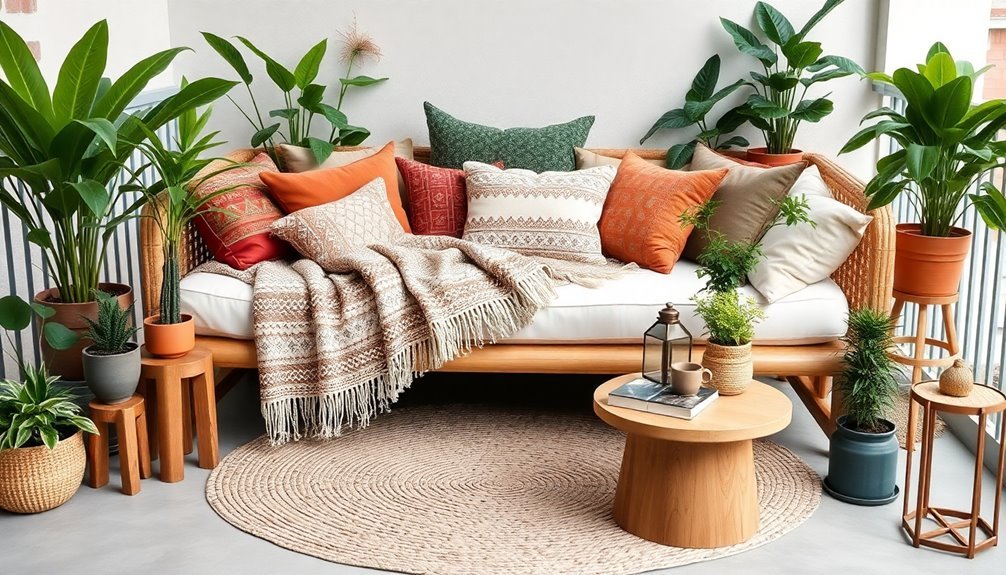
    An outdoor daybed transforms your balcony into a cozy retreat perfect for lounging among your plants. Layer it with weather-resistant cushions in various textures and patterns featuring earthy tones, tribal prints, and natural fabrics. Mix different sizes of throw pillows to create depth and comfort. Add a chunky knit blanket or woven throw draped over one end. Position the daybed where you can enjoy your greenery while having a comfortable spot to read, nap, or entertain guests.

    Statement Mirror to Reflect Light and Greenery

    reflective greenery balcony decor

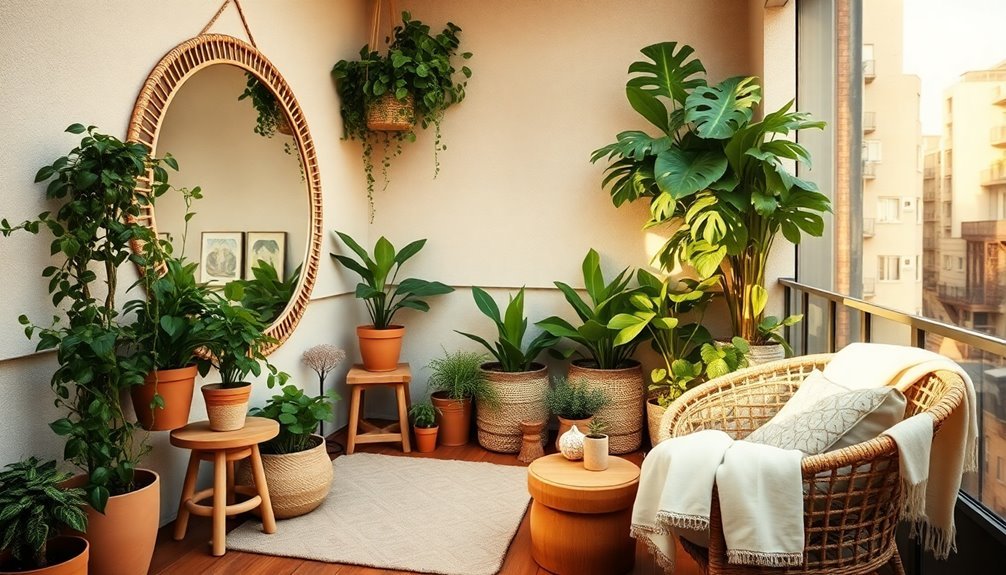
    A strategically placed mirror on your balcony wall creates the illusion of more space while doubling the visual impact of your plants. Choose a mirror with a decorative frame in natural materials like rattan, wood, or wrought iron to complement your boho aesthetic. Position it to catch natural light and reflect your greenery, making your small balcony feel brighter and more expansive. The mirror also adds an artistic focal point that enhances the overall ambiance of your outdoor space.

    Conclusion

    You’ve got all the tools to create your dream boho balcony garden. Mix those macramé hangers with vintage crates and colorful pots to build your perfect outdoor retreat. Add cozy rattan seating and twinkling string lights for those relaxing evenings. Plus, mirrors and patterned rugs make even small spaces feel bigger and brighter. Let’s start transforming your balcony into that lush boho paradise you’ve been dreaming about. Your flourishing garden awaits!
  • Hello world!
    Welcome to WordPress. This is your first post. Edit or delete it, then start writing!